
Why Does Kiteboarding Gear Need High Durability?
Why Does Kiteboarding Gear Need High Durability?
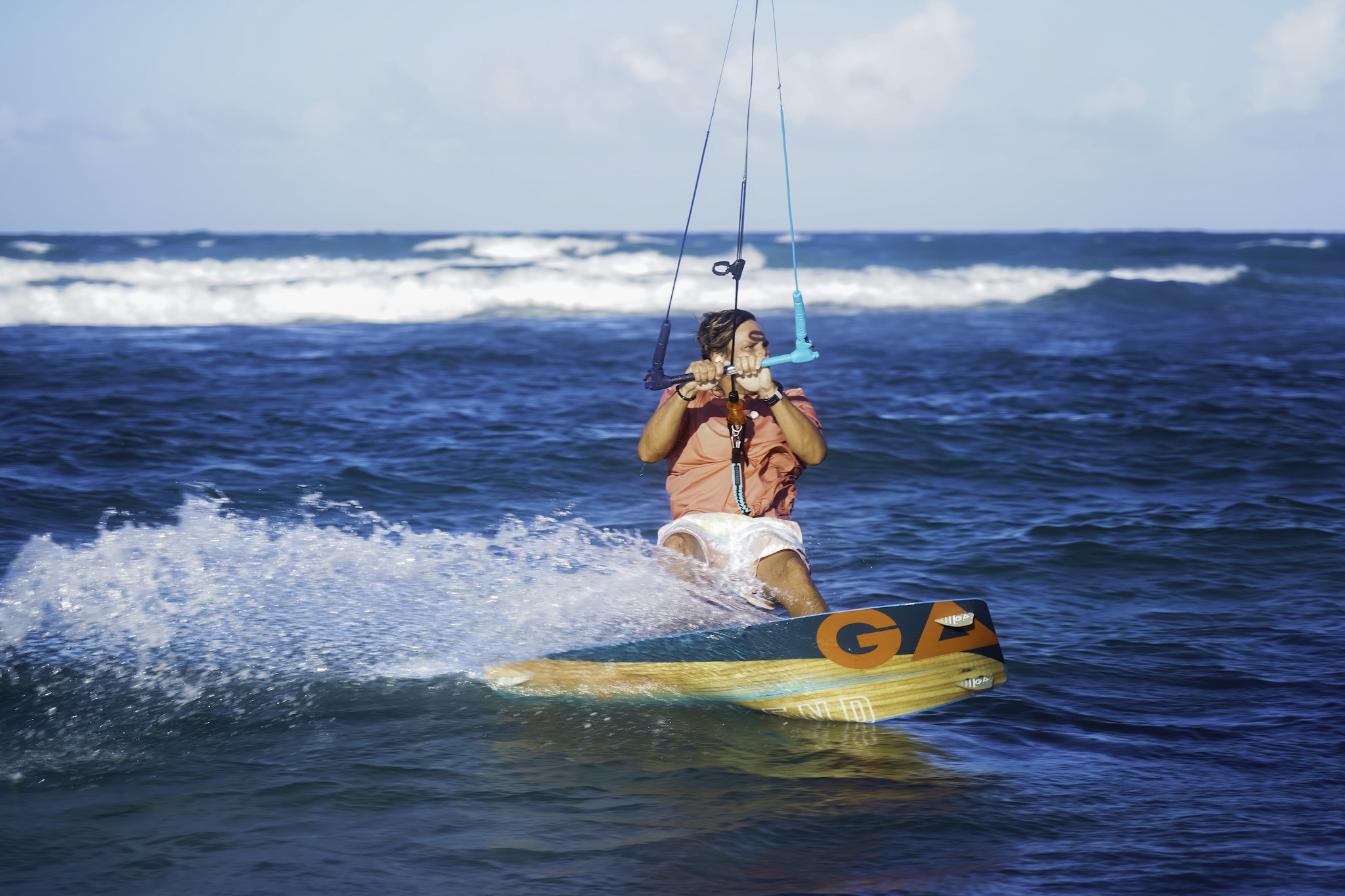
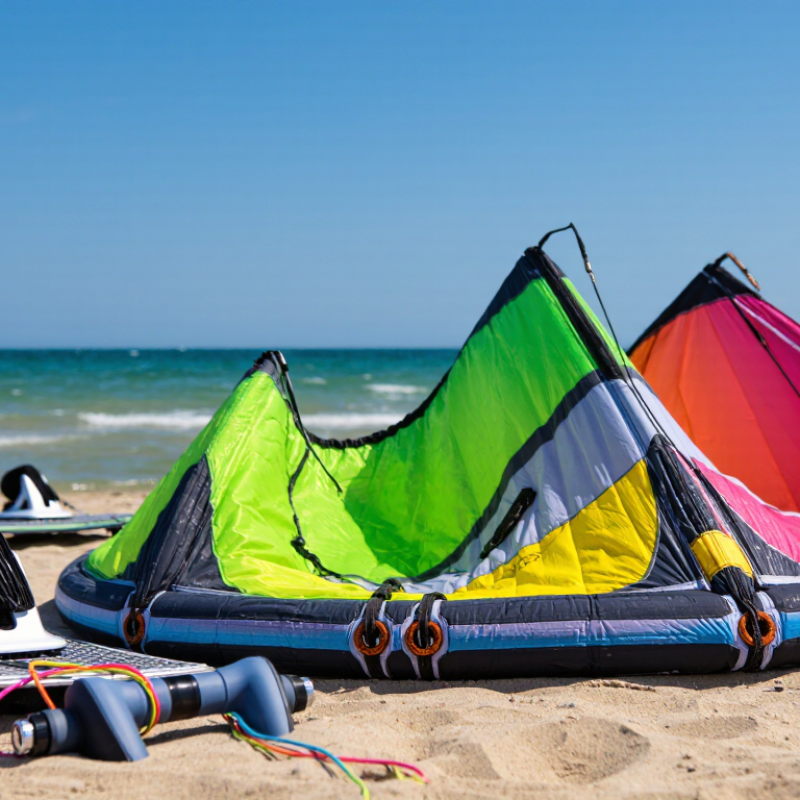
Kiteboarding durability is not a luxury feature. It is a practical requirement for equipment exposed to saltwater, sand, ultraviolet light, and repeated impact. A kite can inflate and deflate hundreds of times each season. Its canopy, bridles, valves, and leading edge experience constant tension. Small weaknesses can become expensive failures quickly.
The Outdoor Industry Association reported that the United States outdoor recreation economy generated $639.5 billion in value in 2023. The report covers the wider sector, not kiteboarding alone, but it shows the scale of equipment use outdoors. Grand View Research also identifies material performance and product lifespan as important factors in the global sporting-goods market. These figures do not prove that every premium product lasts longer. They do support a careful question: how much equipment waste comes from premature replacement?
Robby Naish, a pioneering kiteboarding athlete and equipment designer, has said, “The equipment has to be reliable; otherwise, you are thinking about the equipment instead of riding.” That principle explains why reinforced seams, UV-resistant fabrics, corrosion-resistant hardware, and replaceable parts matter. A durable kite feels different on a windy beach. The fabric stays firm. The bar remains predictable. The zipper does not fight back.
Still, durability is not indestructibility. Poor rinsing, sharp rocks, careless packing, and incorrect storage can damage excellent gear. I have seen riders blame construction after leaving wet equipment sealed for days. That criticism is sometimes fair. Sometimes it is not. True Kiteboarding durability depends on design, materials, inspection, and rider habits working together.
Operating Loads: How 10–30-Knot Winds Stress Kiteboarding Equipment
Why Does Kiteboarding Gear Need High Durability?
Operating in 10–30-knot winds exposes kiteboarding equipment to rapidly changing forces. Wind pressure increases with the square of speed. At 30 knots, the pressure can be about nine times higher than at 10 knots. Gusts make this harder to predict. A steady pull may suddenly become a sharp load on the lines, bar, depower system, and attachment points.
Field inspections often reveal stress before major damage appears. Stiff or uneven flying lines can indicate internal wear. Frayed stitching near a bridle connection deserves immediate attention. The canopy also experiences repeated tension as it inflates, turns, and absorbs gusts. Salt crystals, sand, ultraviolet exposure, and water can weaken fibers over time. Small defects matter.
A simple wind-speed calculation helps, but it does not explain every failure. Rider weight, kite size, launch technique, wave impact, and sudden direction changes also affect loading. That is where practical judgment becomes important. I have seen equipment look clean while hidden abrasion reduced its strength. Durability therefore depends on material quality, careful construction, and honest maintenance checks. Inspect the lines, seams, valves, and connection points before every session, especially after hard landings or strong gusts. Some wear is easy to miss.
| Wind Speed | Wind Speed (m/s) |
Dynamic Pressure q = ½ρV² |
Relative Aerodynamic Load | Pressure Force on a 9 m² Reference Kite Area* | Typical Operating Effect | Components Most Exposed to Stress | Durability Requirement |
|---|---|---|---|---|---|---|---|
| 10 knots | 5.14 m/s | 16.2 Pa | 1.00× | 146 N (approximately 15 kgf) |
Low to moderate load; suitable for light-wind operation when the kite is properly sized. | Bridle stitching, flying lines, bar connections, canopy seams, and inflation valves. | Resistance to repeated cycling, abrasion, ultraviolet exposure, and moisture-related degradation. |
| 15 knots | 7.72 m/s | 36.5 Pa | 2.25× | 328 N (approximately 33 kgf) |
Moderate load; steering inputs and gust response create noticeably higher peak stresses. | Leading-edge seams, depower line, pigtails, bridle junctions, and harness attachment points. | Strong load-bearing seams, stable line geometry, and reliable hardware that can tolerate frequent tension changes. |
| 20 knots | 10.29 m/s | 64.8 Pa | 4.00× | 583 N (approximately 59 kgf) |
High load; the same wind-speed increase produces a quadratic increase in aerodynamic pressure. | Flying lines, front-line connections, leading-edge load paths, canopy reinforcement panels, and bar safety systems. | High tensile strength, low stretch where required, secure stitching, abrasion resistance, and dependable release performance. |
| 25 knots | 12.86 m/s | 101.2 Pa | 6.25× | 911 N (approximately 93 kgf) |
Very high load; gusts, jumps, hard landings, and rapid depower actions can add transient peaks. | Bridle load concentrators, line loops, pulleys, harness hook area, bar leaders, and canopy attachment points. | Reinforced load paths, fatigue-resistant materials, controlled load distribution, and regular inspection for wear. |
| 30 knots | 15.43 m/s | 146.0 Pa | 9.00× | 1,314 N (approximately 134 kgf) |
Extremely high load; gust energy and sudden maneuvers can impose short-duration loads well above the steady estimate. | All primary load-bearing systems, including flying lines, bridles, leading edge, canopy seams, bar, safety release, and harness connection. | Maximum structural integrity, redundant safety functions, robust fatigue performance, and strict adherence to operating limits. |
*Calculated using standard air density of 1.225 kg/m³ and a 9 m² reference area: pressure force = dynamic pressure × area. These values represent a simplified aerodynamic load index rather than certified line tension. Actual loads vary with kite design, projected area, angle of attack, apparent wind, rider mass, maneuvering, gusts, and water impact.
Related Posts
-
Why Choose Freeride Kiteboarding Gear for Global Buyers?
-
Kiteboarding Durability Tips for Long Lasting Gear?
-
China Top Lightwind Kiteboarding Manufacturers and Suppliers
-

Top 10 Kiteboarding Techniques for Beginners
-
What Are Kiteboarding Boards and How Do They Work?
-
How to Start Kiteboarding A Beginner Guide