Why Choose Freeride Kiteboarding Gear for Global Buyers?

For global buyers, Freeride kiteboarding gear offers a practical balance between control, comfort, and progression. Riders can explore coastal beaches, inland lakes, and light-wind locations without changing their entire setup. That flexibility matters when travel plans include unfamiliar water conditions.

Freeride equipment usually combines stable kites, responsive boards, and forgiving handling. A beginner may value easy relaunching near a sandy shoreline. An experienced rider may prefer smoother edging and reliable upwind performance. The right equipment should feel predictable when wind speeds shift suddenly. No gear is perfect, though. Local wind, body weight, riding level, and transport limits still shape the decision.

Professional kiteboarder and coach Damien Leroy has described the sport simply: “Kiteboarding is a lifestyle, not just a sport.” His statement reflects why many international buyers choose freeride equipment. It supports everyday sessions rather than one narrow discipline. A well-matched freeride kite can make a short holiday session worthwhile. A durable board can survive repeated travel, careful handling, and changing launch areas.

Buyers should examine construction quality, safety systems, warranty coverage, and available spare parts. Regional service support can be more valuable than a slightly lower purchase price. Independent reviews also deserve careful reading. Marketing promises can sound impressive. Real rider experience often reveals more.

For many people, Freeride kiteboarding gear becomes a dependable starting point and a long-term platform. It may not deliver every specialist trick. It can, however, make more riding days possible. That practical advantage explains its strong appeal across global markets.
Why Choose Freeride Kiteboarding Gear for Global Buyers?

What Freeride Kiteboarding Gear Is and How It Works

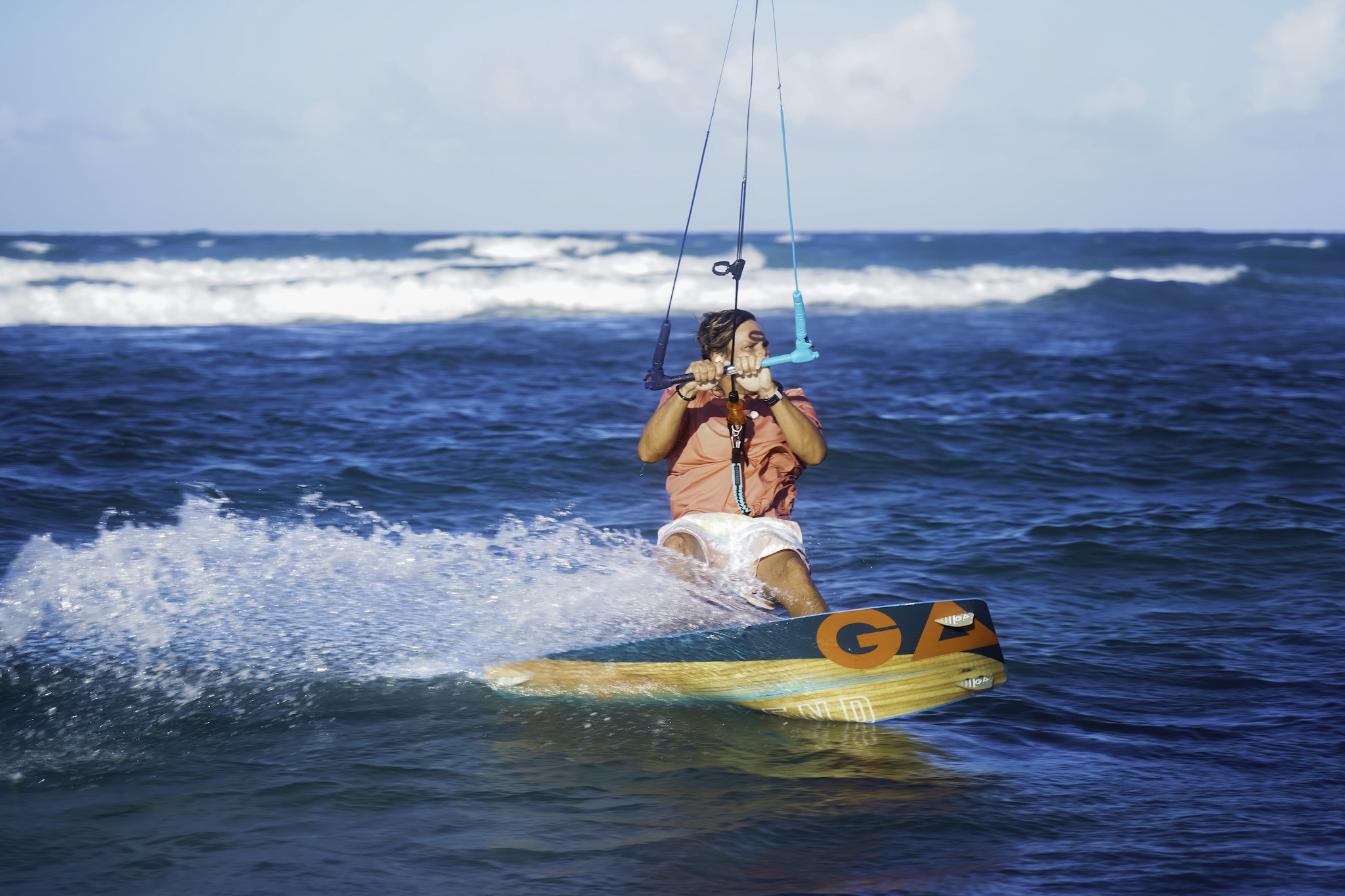
Freeride kiteboarding gear is designed for everyday riding, relaxed progression, and varied water conditions. It usually includes a moderate-aspect kite, a stable twin-tip board, control bar, lines, harness, and safety leash. The kite generates lift when wind flows across its canopy. The rider steers through the bar, changing the kite’s angle and direction. Simple control matters.

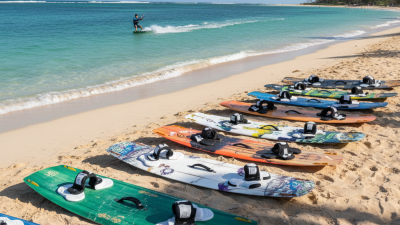
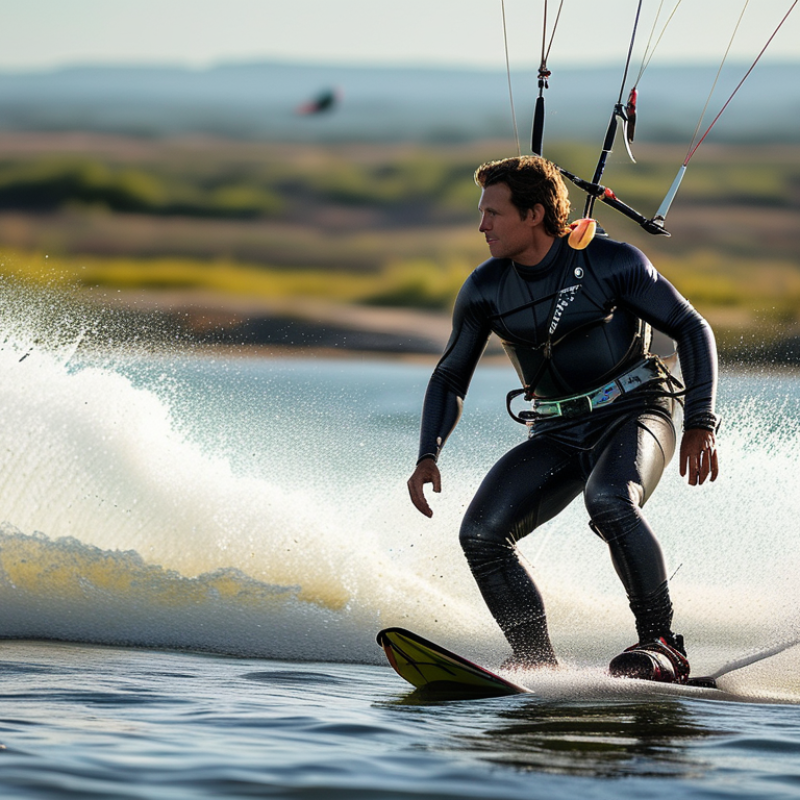
A freeride kite often offers predictable power and manageable relaunching. That helps when a rider drops the kite near shore or struggles with a new maneuver. The board provides balance through its wider outline and comfortable foot straps. Its fins grip the water during edging, while the rocker softens chop under the board. A properly fitted harness transfers pulling force from the arms to the hips, reducing fatigue during longer sessions.

Setup still demands careful judgment. I have found that a forgiving kite cannot fix poor line checks or an unsuitable wind range. Read the local forecast, inspect the bridle, and confirm the safety release works before entering the water. Small details matter. A loose connection can change the entire session.

For global buyers, conditions should guide equipment choices more than online popularity. Light-wind locations may need a larger kite and efficient board. Stronger, gustier areas may favor a smaller kite with stable handling. Salt, sand, and transport also affect durability. Rinse gear with fresh water after use, even when time is short. Freeride equipment makes learning approachable, but it still rewards patience, instruction, and honest self-assessment.

Key Features That Make Freeride Gear Suitable for Global Riders

Freeride kiteboarding gear suits global riders because it balances control, comfort, and practical performance. Its moderate aspect ratio often provides steady lift without demanding advanced technique. That matters when wind conditions change during a session. Adjustable bars also help riders maintain comfortable control across different body sizes and skill levels.

Durable construction is another key feature. Reinforced seams, corrosion-resistant fittings, and tough canopy materials handle repeated travel and salty coastal air. A reliable safety system should release smoothly and remain easy to reset. Clear instructions are essential, especially for riders using unfamiliar equipment. Wide size ranges also help users match their kite to local wind patterns. Still, no setup is perfect. Some lightweight materials can wear faster than expected, particularly after rough landings or careless packing.

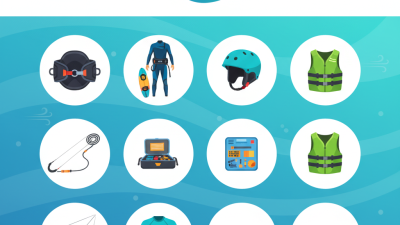
Tips: Check every line and connection before launching. Rinse equipment with fresh water after ocean sessions. Choose a kite size suited to local forecasts, not optimistic guesses. Practice the safety release on land with qualified supervision. Carry basic repair materials, because remote beaches rarely offer convenient support. Always follow local access rules and launch only in suitable, permitted areas.

How to Match Freeride Equipment With Skill Level and Riding Goals

Freeride kiteboarding rewards control, comfort, and repeatable progress rather than flashy specifications. Beginners should choose a stable kite with predictable power and simple relaunch. A medium-sized twin-tip with moderate rocker can improve balance during water starts. Keep the harness supportive, not painfully tight. Start with control. Beginners should also train with a qualified instructor and use equipment with a reliable safety release.

Intermediate riders may choose a lighter, more responsive kite for upwind riding, small jumps, or longer sessions. Match kite size to local wind patterns, body weight, and the complete wind range. Do not rely on one perfect forecast. A stiffer board improves edging, but excessive stiffness can punish tired legs. I once chose equipment for maximum performance and ignored comfort. My sessions became shorter, not better. That detail matters. Check bar length, line condition, spare parts, and repair access before ordering internationally.

Advanced freeriders may prefer a faster kite and a board supporting stronger edging or controlled rotations. However, equipment must fit actual beaches, wind shifts, and travel habits. Light-wind regions may require early power, while gusty locations need stability and effective depower. Ask sellers for tested wind ranges, material specifications, warranty terms, and independent user feedback. Product charts help, but they cannot replace local knowledge. Reconsider your choice after an honest lesson or session log; riding goals often change after real water time.

Materials, Safety Standards, and Durability for International Use

Why Choose Freeride Kiteboarding Gear for Global Buyers?

Freeride kiteboarding gear must handle changing beaches, climates, and riding habits. A practical setup often uses ripstop polyester for the canopy, reinforced seams, and corrosion-resistant metal hardware. These materials balance low weight with dependable tension during repeated launches and landings. TPU bladders can resist punctures, but sharp shells and careless inflation still cause damage. No material is invincible.

Safety depends on more than a bright color or strong fabric. Buyers should check the quick-release system, leash connection, depower function, and line strength. Independent testing and clear technical documentation provide useful evidence. Regional safety requirements may differ, so international buyers should confirm the applicable standards before purchase. A release mechanism should work with cold hands, gloves, and moderate sand exposure. Test it carefully. Poorly adjusted equipment can create risk, even when the design is sound.

Durability also depends on maintenance after every session. Rinse salt from valves and metal parts, dry the kite away from direct sunlight, and inspect stitching near high-load points. Store lines loosely, not compressed inside a wet bag. Replacement parts should be available across borders, with instructions that are easy to understand. In my experience, many failures begin with small neglected cuts. Certification helps, but it cannot replace fitting advice or regular inspection. Some product claims may sound impressive, yet real performance changes with wind, storage, and user skill. That uncertainty deserves honest attention.

Why Choose Freeride Kiteboarding Gear for Global Buyers? - Materials, Safety Standards, and Durability for International Use

Evaluation Dimension Typical Freeride Gear Specification Why It Matters for International Buyers Practical Selection Guidance
Canopy Fabric High-tenacity ripstop polyester, commonly specified at approximately 40–55 g/m² for kite canopies. Ripstop construction helps limit the spread of small tears, while polyester offers low moisture absorption and good dimensional stability. Check fabric weight, ripstop pattern, stitching quality, and resistance to ultraviolet exposure before purchasing.
Inflatable Struts and Leading Edge Welded or stitched inflatable tubes made from coated polyester or nylon fabrics, using separate air chambers in many designs. Separate chambers can help retain partial structure if one section loses pressure, improving manageability during a landing or self-rescue. Prefer reliable one-pump components, replaceable valves, and accessible bladder repair points.
Control Lines Low-stretch braided lines, commonly using high-strength polyethylene fibers; line diameters often fall around 1.5–2.0 mm for flying lines, depending on design. Low stretch supports predictable steering response, while abrasion and UV resistance are essential for repeated use in different climates. Inspect for fuzzing, cuts, inconsistent length, and heat damage; replace lines when wear affects strength or symmetry.
Safety Release System Quick-release mechanism designed to reduce kite power when activated, with a separate leash connection for safety retention. A clearly identifiable and easily reachable release can be critical when the rider loses control or becomes entangled. Look for documentation, release testing instructions, reset capability, and compatibility with the complete control system.
Relevant Safety Standard ISO 21853:2020 addresses kiteboarding release systems, including safety requirements and test methods. Using a recognized standard gives buyers a consistent basis for comparing release-system design and testing claims across countries. Request a current declaration, test report, or conformity documentation that specifically identifies the applicable product and standard.
Helmet and Impact Protection Closed-cell foam liners, protective shells, and adjustable retention systems are commonly used in watersports helmets. Protection against impacts with the water, board, or equipment is important in shallow areas, crowded launch sites, and changing conditions. Select a helmet certified for its stated use, with a secure fit, drainage openings, and no visible cracks or compressed foam.
Buoyancy and Flotation Aid Low-bulk buoyancy aids generally use closed-cell foam panels with corrosion-resistant hardware and adjustable straps. A suitable flotation aid can support water recovery and self-rescue, although it does not replace a certified lifejacket where one is required. Check the stated buoyancy rating, user-weight range, certification jurisdiction, fit, and compatibility with a harness.
Harness Construction Load-bearing webbing commonly uses high-strength polyester or nylon, combined with molded or foam-padded support panels. Strong webbing and even load distribution can improve comfort during long sessions and reduce localized pressure. Verify buckle operation, spreader-bar security, stitching condition, and fit while wearing the intended wetsuit or clothing.
Saltwater and UV Resistance Synthetic fabrics, corrosion-resistant hardware, and UV-stabilized coatings are commonly selected for marine environments. Salt, sunlight, sand, and repeated wet-dry cycles can accelerate corrosion, coating deterioration, and fiber degradation. Rinse with fresh water after use, dry out of direct sunlight, and store loosely in a cool, ventilated place.
Repairability and Spare Parts Replaceable bladders, valves, pigtails, pulleys, lines, buckles, and repair patches are common serviceable components. Accessible spare parts reduce downtime and shipping delays for buyers who live far from specialist repair centers. Confirm international availability, part compatibility, repair instructions, and warranty procedures before ordering.
Expected Service Life No universal lifespan applies; service life depends on use frequency, inflation pressure, UV exposure, abrasion, storage, and maintenance. A realistic maintenance plan is more reliable than a fixed life claim because equipment used daily in strong sunlight wears faster than lightly used gear. Perform pre-session inspections and retire components showing structural damage, deep abrasion, unreliable releases, damaged stitching, or compromised lines.

Note: Standards and certification requirements vary by product category and destination country. Always verify the latest applicable documentation and follow local water-sports regulations and manufacturer safety instructions.

How to Compare Brands, Prices, Shipping, and After-Sales Support

Why Choose Freeride Kiteboarding Gear for Global Buyers?

Choosing freeride kiteboarding gear requires more than comparing the lowest price. Experienced riders often examine canopy materials, bar compatibility, repair access, and warranty terms. A cheaper package may include fewer spare parts or limited technical support. That difference becomes expensive when a replacement line must cross borders. Baymard Institute’s global checkout research reports an average cart-abandonment rate near 70%. Unclear shipping costs remain a common reason. Transparent quotations matter.

Shipping deserves careful comparison. Check delivery time, tracking, customs responsibility, and return procedures before payment. The World Bank’s Logistics Performance Index 2023 shows major differences in international delivery reliability between markets. Remote destinations may face longer delays. After-sales support should include multilingual instructions, repair guidance, and realistic response times. Ask whether local service partners exist. Screenshots help. Keep every promise in writing.

Tips: Compare the complete landed cost, not the product price alone. Request a packing list, warranty duration, spare-part prices, and estimated customs documents. I would also test support before ordering with one practical question. A fast, specific reply suggests stronger service. Still, this is not perfect evidence. Some sellers respond well before payment, then slowly afterward. Read recent independent reviews, inspect product specifications carefully, and allow extra time for seasonal shipping pressure.

Why Choose Freeride Kiteboarding Gear for Global Buyers?

Comparing non-brand-specific package tiers by typical retail price, international shipping time, and after-sales coverage helps buyers evaluate total value before ordering.

Indicative planning benchmarks for new freeride gear packages: prices are shown in USD, shipping represents estimated calendar days for international delivery, and after-sales coverage is shown in months. Actual results vary by destination, customs clearance, stock availability, and seller policy.

We use Cookies and Google Analytics. We store no personal details. Learn more about our privacy policy.