What Are the Top 10 Kitesurfing Technology Trends?

Kitesurfing technology is reshaping how riders choose equipment, read conditions, and manage risk on the water. The most useful advances are not always the flashiest. A lighter kite can make relaunches easier, while refined bridle geometry may help keep power steadier through gusts. Better quick-release systems and clearer bar layouts also matter when a session becomes stressful. Small details matter.

This guide explores ten notable trends, from durable kite fabrics and foil-board designs to GPS wearables, weather tools, and digital coaching. It also considers how equipment makers are testing lower-impact materials and longer-lasting components. These developments can improve control and comfort, but no device can replace sound judgment, practice, or a careful check of wind and water conditions. Conditions change quickly.

The right choice depends on riding style, skill, local conditions, and compatibility with existing gear. New sensors may offer useful feedback, for example, but their readings are not a substitute for observing the sky or asking an experienced instructor. Some claims deserve a closer look, too; “smarter” gear does not automatically mean safer or better. The trends ahead are practical starting points, not promises. Each deserves a clear look at what it does, where it helps, and what riders should verify before buying or heading out.
What Are the Top 10 Kitesurfing Technology Trends?

Core Technologies Shaping Modern Kitesurfing

What Are the Top 10 Kitesurfing Technology Trends?
Core Technologies Shaping Modern Kitesurfing

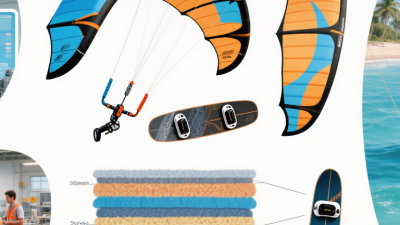
Modern kitesurfing depends on a chain of technologies, not one dramatic invention. Lighter canopy fabrics can reduce pack volume and help a kite hold its shape under load. Reinforced seams and carefully placed panels manage stress near the leading edge. Bridle geometry also matters: small changes can affect turning speed, bar pressure, and stability. On the water, a predictable kite is often more useful than a twitchy one. Lighter is not automatically better; durability still counts after repeated exposure to sand, salt, and sun.

Control bars increasingly focus on clear trim, tidy line routing, and reliable quick-release systems. Riders should inspect lines and test release function before each session, since wear can be hard to spot. Board construction has evolved too, with lighter cores and shaped flex patterns affecting grip and comfort in chop. Small sensors and GPS tools can record speed, distance, and routes. They cannot replace judgment. Forecast platforms combine wind models with local observations, but shoreline effects can make conditions differ from a screen. Sustainability is also entering design discussions, particularly around repairability and material waste. Some components remain difficult to repair, a limitation worth questioning as equipment becomes more specialized.

What Are the Top 10 Kitesurfing Technology Trends?

Core technologies shaping modern kitesurfing — with typical wind ranges by kite size as an example of how equipment design supports changing conditions.

Ten key technology trends: lighter canopy materials, refined bridle systems, increased depower, improved quick-release safety systems, foil kites, high-aspect-ratio hydrofoils, lightweight foil masts, GPS wearables, digital wind forecasting, and more sustainable materials.

Wind ranges are indicative estimates, not universal limits. They vary with rider weight, skill, kite design, board choice, and local conditions. Follow the kite maker’s guidance and check conditions before riding.

Advances in Kite Design, Materials, and Control Systems

Kitesurfing kites are changing through small design choices as much as dramatic new shapes. Refined leading edges and tapered wingtips can improve turning response while keeping the kite stable in gusts. Higher-aspect designs often travel efficiently upwind, though they may feel less forgiving during relaunch. Shape is a trade-off.

Lighter canopy fabrics reduce weight overhead, and tighter ripstop weaves help limit tears from spreading. Some designs use reinforced panels only where strain is highest, such as near attachment points. Recycled yarns and longer-lasting coatings are also gaining attention, but durability claims need real-world testing. Salt, sand, and repeated folding expose weaknesses quickly.

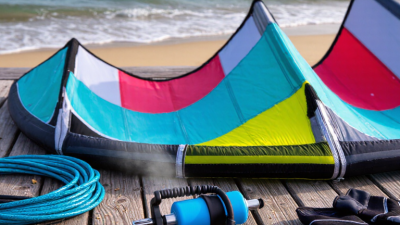
Control systems are becoming more adjustable. Tunable bridles can alter a kite’s feel, while clearer trim markings help riders make measured changes on the beach. Ergonomic bars, smoother depower, and quick-release mechanisms aim to make control more intuitive. Small details matter. Emerging line-load sensors may provide useful feedback, but extra data cannot replace sound judgment. Check lines for uneven wear, and test safety systems according to their instructions. A kite that feels light in the hands can still demand careful handling when the wind shifts.

Innovations in Boards, Foils, and Rider Equipment

Boards are getting lighter, stiffer, and more specialized. Compact shapes help riders manage chop, while reinforced rails reduce damage from hard landings. Hydrofoils are evolving too: thinner masts and refined wings can reduce drag, but they demand precise balance. Small design changes matter. A few millimeters can affect lift and turning. The Outdoor Industry Association’s 2024 Participation Trends Report counted 175.8 million U.S. outdoor participants, a broad signal of demand for accessible equipment—not a kiteboarding-specific market measure. That distinction matters.

Rider equipment is changing alongside boards. Quick-release systems, impact vests, helmets, and clearer line layouts focus on control and safety. Lighter fabrics can improve comfort, but durability and repairability deserve equal attention. More technology is not always better. A setup that feels fast in flat water may become tiring in gusts or messy surf. Equipment testing should match local wind range, water conditions, and rider ability; check manufacturer guidance and inspect lines, valves, and foil connections before each session.

Tips: Test one change at a time. Record wind strength, board setup, and how easily you can relaunch. If a foil feels unstable, adjust technique before assuming the equipment is at fault.

Digital Tools for Training, Navigation, and Safety

Digital tools are changing how riders learn, plan routes, and judge conditions. Training apps can record session length, wind strength, and time spent practicing specific skills. Video footage adds useful detail: a coach can review body position, kite height, and the timing of a turn. Slow-motion clips often reveal small mistakes that felt invisible on the water. But data can flatter us. A longer session does not always mean better progress. Good feedback still matters.

Navigation tools combine GPS tracks with wind forecasts, tide information, and maps of local hazards. A rider can check a route before launching, then compare it with the track afterward. This helps reveal drift, missed landmarks, or a return journey that took longer than expected. Forecasts are estimates, not promises. Conditions can shift quickly near shore, so riders should check updated information and ask knowledgeable local instructors about unfamiliar spots.

Safety technology includes wearable location devices, wind-measuring tools, and phone-based emergency features. These can help riders share their plans and make a location easier to find if something goes wrong. Keep devices charged and protected from water, and learn their limits before relying on them. They do not replace a properly fitted impact vest, suitable skill, or a clear self-rescue plan. Screens can distract. Look up often, watch other water users, and leave room for changing conditions.

What Are the Top 10 Kitesurfing Technology Trends? - Digital Tools for Training, Navigation, and Safety

Technology Trend Typical Digital Tools Training Application Navigation Application Safety Contribution Practical Consideration
1. High-resolution wind forecasting Forecast platforms showing wind speed, direction, gusts, and hourly changes Helps riders compare forecasts with observed conditions and plan sessions appropriate to their ability. Supports decisions about launch windows, wind shifts, and likely return conditions. Can help identify unsuitable or rapidly changing conditions before entering the water. Forecasts are estimates; check local observations and ask about site-specific effects such as thermal winds and land shadows.
2. GPS tracking and route analysis GPS-enabled watches, phones, or compact activity trackers Records session duration, distance, speed, and routes for reviewing progress over time. Displays a recorded track that can help riders understand drift and their position relative to the launch area. Location history may assist a check-in or post-session review, but tracking alone does not summon help. GPS accuracy and battery life vary; keep devices secure and use a separate emergency plan.
3. Wearable heart-rate and fitness monitoring Water-resistant heart-rate monitors and activity watches Provides workout data that can help riders monitor exertion and manage rest between sessions. Limited direct navigation value, though some devices can show basic location or activity information. May help a rider notice unusually high exertion; it is not a substitute for medical assessment or rescue equipment. Readings can be affected by movement, cold, and water; use the data as a guide rather than a diagnosis.
4. Motion sensors for jump and movement analysis Inertial measurement sensors that record acceleration, rotation, and movement Can help quantify jump height estimates, airtime, rotation, and consistency between attempts. Usually offers little direct route guidance. Reviewing movement data may support gradual skill progression, but it does not prevent crashes or equipment failure. Sensor placement and algorithms affect results; treat measurements as approximate and prioritize sound coaching.
5. Video-based technique review Waterproof action cameras, shore-based filming, and slow-motion playback Allows riders and instructors to review stance, timing, kite position, and landing technique. Footage can help identify landmarks and understand a session area, but is not a navigation system. Review can reveal recurring technique problems; filming should never distract the rider or compromise equipment checks. Use a secure mount and follow local rules; camera footage may not show hazards outside the frame.
6. Offline maps and digital spot guides Downloaded maps, satellite imagery, and locally maintained spot information Helps learners study launch areas, shore access, and the layout of a site before a session. Offline maps can provide geographic context when mobile coverage is weak. May help identify access points and nearby landmarks, but map details can be incomplete or outdated. Confirm access, hazards, and local rules with current local sources; do not rely on a phone map as a marine chart.
7. Digital check-ins and location sharing Phone-based live location sharing, scheduled check-ins, or trip plans Encourages consistent pre-session planning and communication with a shore contact. A trusted contact may be able to see a rider's last shared position, depending on connectivity and settings. Missed check-ins can prompt a contact to follow an agreed response plan. Mobile coverage, device battery, and privacy settings can limit availability; agree on a check-in time and escalation steps.
8. Satellite messengers and personal locator beacons Satellite communication devices or registered distress beacons designed for emergency use Little routine training value; they can be included in emergency-preparedness practice. Some devices send position reports beyond ordinary mobile coverage. Emergency models can alert rescue services or designated contacts when used according to instructions. Coverage, registration, subscription, carriage, and regional requirements differ; learn the device's operation before relying on it.
9. Waterproof two-way communication Water-resistant radios or communication devices suitable for the local environment Can support communication between instructors, safety teams, and learners during supervised sessions. May help coordinate group movements and communicate changing site conditions. Provides a communication channel when voice contact across the water is difficult. Range, licensing, water resistance, and channel procedures vary; test equipment and agree on communication protocols.
10. Digital session logs and skill tracking Electronic logbooks recording conditions, equipment checks, session notes, and goals Helps riders track practice, record coaching feedback, and set realistic next-session objectives. Entries can preserve notes about launch sites, tides, and routes for future planning. Recording equipment checks and conditions can reinforce consistent preparation habits. Logs are only useful when kept accurate; they do not replace current weather checks, hands-on inspections, or local advice.

Sustainable Manufacturing and the Future of Kitesurfing Technology

What Are the Top 10 Kitesurfing Technology Trends?

Sustainable Manufacturing and the Future of Kitesurfing Technology

Kitesurfing gear is becoming more technically advanced, but its environmental cost deserves equal attention. A kite canopy may use lightweight synthetic fabric, while its lines, valves, and reinforcements rely on different materials. That complexity can make repair and recycling difficult. Better design starts before a kite reaches the water.

Manufacturers can reduce waste by using durable fabrics, limiting production scraps, and choosing materials with clearer recycling pathways. Some newer construction methods also aim to use fewer components or make damaged sections easier to replace. That matters. A small patch that extends a canopy’s life may prevent an entire kite from being discarded.

Still, “recyclable” does not automatically mean recycled. Collection systems, material separation, and local processing all affect what happens at the end of a product’s life.

Not yet.

More transparent information about material origin, repair options, and disposal would help riders make informed choices. There is a trade-off, too: lighter materials can improve handling, yet durability should not be sacrificed for marginal weight savings. The future of kitesurfing technology will depend not only on faster inflation or more precise control, but also on products that withstand years of salt, sun, and repeated repairs. A truly sustainable kite is not just clever to manufacture; it is practical to maintain.

We use Cookies and Google Analytics. We store no personal details. Learn more about our privacy policy.