Mastering Advanced kiteboarding skills demands more than stronger wind and higher jumps. It requires disciplined technique, weather judgment, equipment knowledge, and repeated decision-making under pressure. A rider may land a clean megaloop yet struggle with a controlled emergency release. That contrast matters.
Participation data shows why structured progression deserves attention. The Outdoor Industry Association’s 2024 Outdoor Participation Trends Report recorded 175.8 million American outdoor participants in 2023. However, the report does not isolate kiteboarding numbers. That limitation is important. Broad participation growth cannot prove that advanced riders are becoming safer or more capable. The SFIA 2024 Topline Participation Report similarly supports the value of organized instruction, equipment awareness, and responsible skill development across adventure sports. These reports provide context, not a substitute for kite-specific evidence.
This guide follows principles used by recognized training organizations, including the International Kiteboarding Organization (IKO), and reflects safety practices seen in professional competition. It examines edging pressure, kite control, powered transitions, jumps, rotations, wave riding, and self-rescue preparation. Each skill must match the rider’s location, equipment, and conditions. A 25-knot session feels entirely different on a small board beside shallow water. Mistakes become visible quickly.
Experience also exposes uncomfortable truths. More confidence can hide poorer judgment. Sometimes, the best advanced decision is refusing the launch. Professional riders make difficult maneuvers look effortless, but their preparation is rarely effortless. This introduction sets a practical standard: progress should be measurable, conditions should be assessed honestly, and technique should never outrun control.
Advanced kiteboarding begins with control, not dramatic tricks. The core skill is reading the kite’s position through steady bar pressure and line tension. A skilled rider can hold a predictable angle while wind gusts push against the harness. Feel the change. This awareness keeps power manageable during transitions, jumps, and recoveries. I have learned that many failed maneuvers start with moving the kite too quickly. Slower inputs often create better timing.
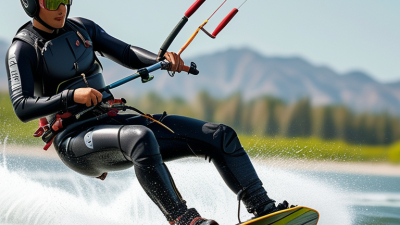
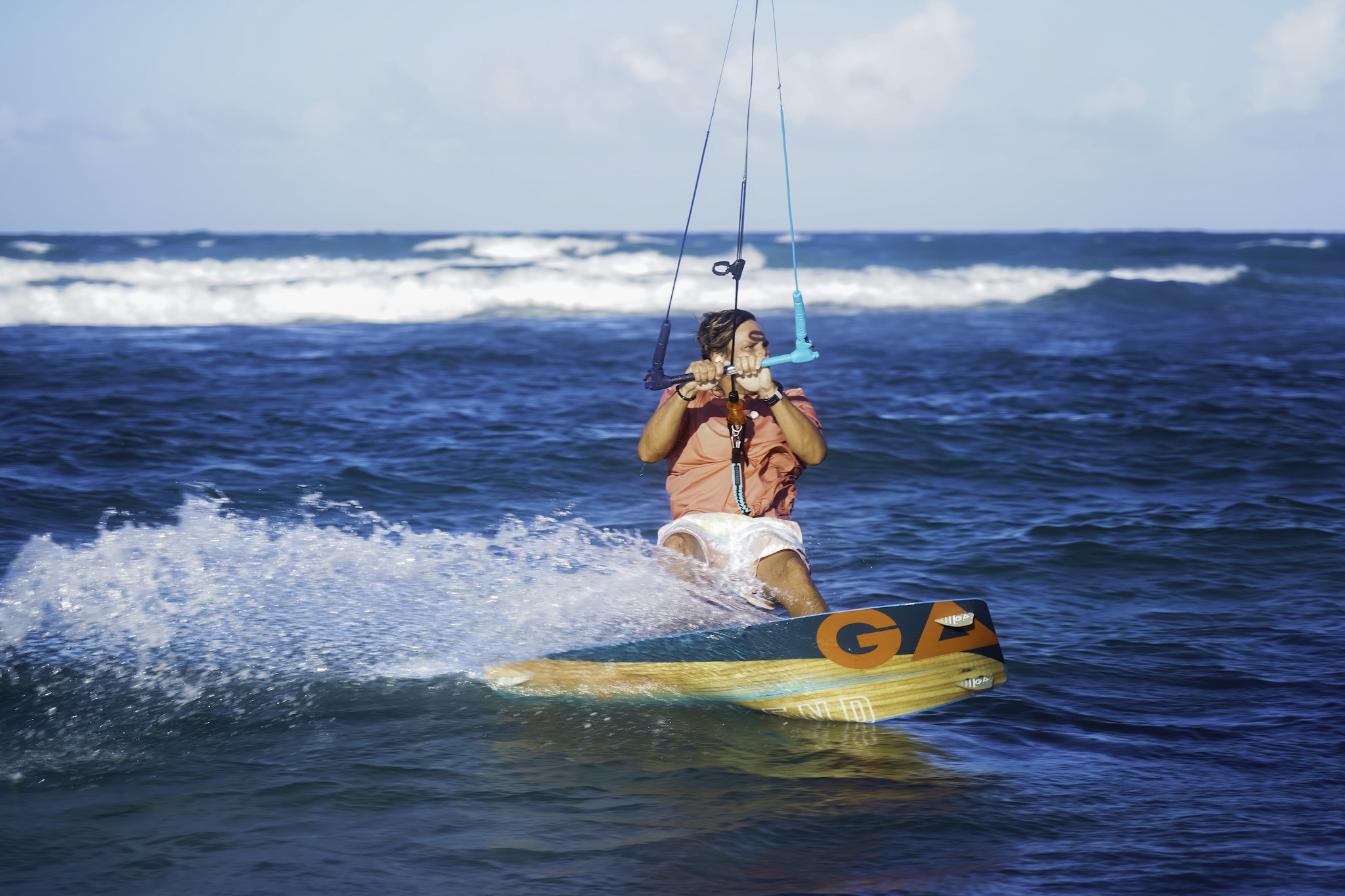
Board control is equally important. Strong edging lets the rider resist the kite and convert power into direction. Keep the hips forward, shoulders open, and weight balanced over the heels. On choppy water, the knees absorb each impact like suspension. Good riders also control speed before attempting rotation. That detail is easy to ignore. Water starts, body drags, and controlled relaunches reveal real competence when the board is lost or wind shifts. Relaunching calmly matters more than pretending every session is perfect.
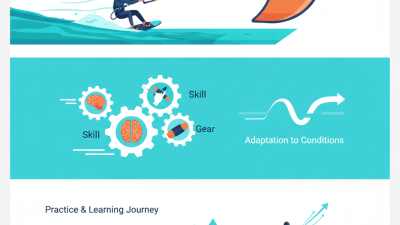
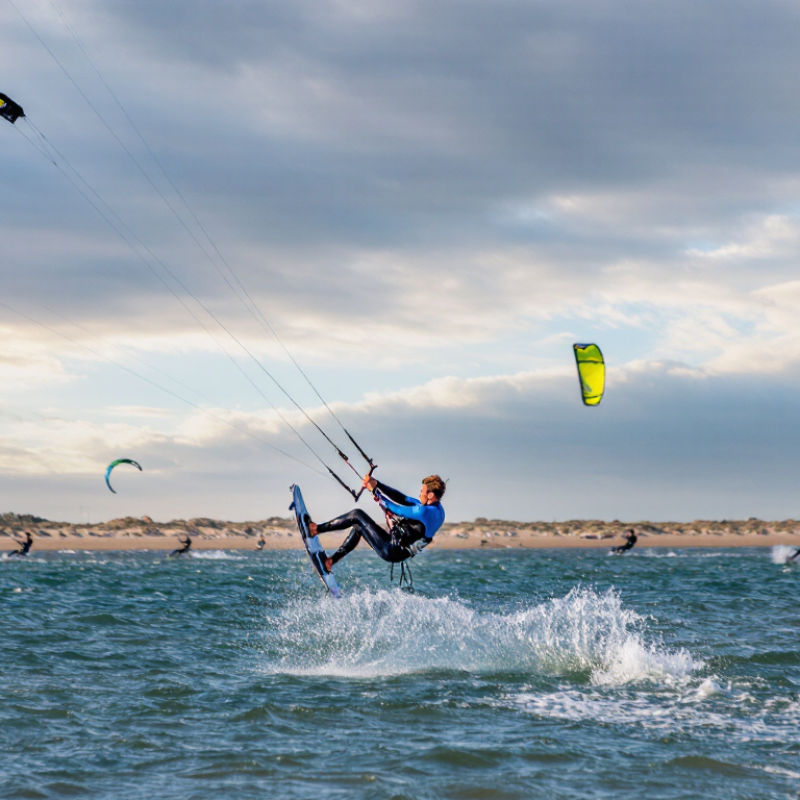
Advanced progress depends on timing between kite, board, and body. During a jump, the takeoff edge, kite movement, and release must arrive together. Practice low, repeatable hops before adding height or rotation. Use a safe, uncrowded area and check conditions continuously. An instructor’s feedback can expose habits hidden by adrenaline, such as looking down or pulling the bar too hard. I still catch myself rushing when the wind becomes exciting. That mistake deserves attention, because technical confidence should remain controlled, observable, and repeatable.
Reliable control grows from progressive practice, not dramatic sessions. Begin with edging, controlled kite movement, and consistent relaunches. Repeat each skill in moderate, familiar conditions. Keep it boring.
The Outdoor Foundation’s 2024 Outdoor Participation Trends Report recorded 175.8 million American outdoor participants in 2023. That growth suggests more newcomers are entering wind and water sports. However, participation does not equal readiness. Advanced riders should log wind speed, water state, equipment settings, and personal fatigue after every session. Small records reveal patterns that memory often misses.
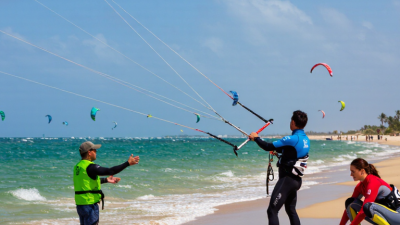
Build difficulty one variable at a time. Practise transitions before adding height. Add speed only after your landing remains quiet and balanced. A coach can check posture, timing, and safety decisions that video may hide. The U.S. Coast Guard reported 556 recreational-boating deaths and 2,641 injuries in 2023. Those figures are not kiteboarding-specific, but they reinforce disciplined preparation around water. Carry a communication method, review exit points, and avoid riding beyond your rescue plan.
I still rush transitions sometimes. That weakness matters. When control breaks, reduce power, reset your stance, and repeat the movement slowly. Reliable skill feels uneventful: the kite stays predictable, the board stays connected, and each decision leaves room for correction.
Advanced kiteboarding begins with reliable edge control. I learned this after several unstable jumps caused by rushing the kite movement. Press your back heel firmly into the board and keep your hips slightly forward. Maintain steady tension in the lines. Your edge should feel powerful, not forced. Small adjustments matter. Practice riding upwind before attempting larger jumps.
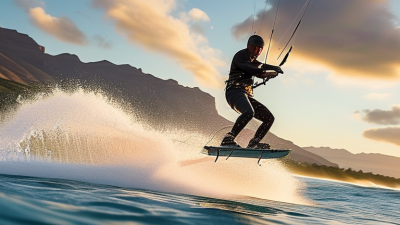
For jumps, load the edge gradually, steer the kite with control, and keep your eyes on the landing area. A quiet takeoff is usually better than a dramatic one. During rotations, bring your shoulders around first, then let the board follow. Keep the bar movement small. For board tricks, start with simple grabs while keeping your knees bent. Add rotation only after your landing feels repeatable. I still lose balance when I watch the board too long. That mistake reminds me to trust body position and maintain visual awareness.
Tips: Train one movement at a time. Use moderate wind and open water with clear visibility. Wear suitable protective equipment and check your lines, control system, and board before every session. Film a few attempts when possible. Video often reveals a dropped hip or late kite steering that feels invisible on the water. Stop when fatigue affects your reactions. Progress becomes safer when you leave room for correction.
A practical progression table for experienced riders developing stronger control, safer airtime, rotations, and technical board skills.
| Skill Area | Target Skill | Recommended Level | Key Technical Focus | Practice Conditions | Progress Indicators | Common Mistake |
|---|---|---|---|---|---|---|
| Edge Control | Controlled upwind riding | Advanced | Maintain a strong heel-side edge, keep the kite stable around 45 degrees, and distribute pressure through the back foot without overloading the board. | Steady side-onshore wind, moderate chop, and sufficient space upwind and downwind. | Consistent upwind angle, stable speed, and no repeated loss of edge. | Leaning too far back while allowing the hips to drift downwind. |
| Edge Control | Progressive pop for jumps | Advanced | Build line tension by edging progressively, then extend the legs and release the edge as the kite reaches the intended takeoff position. | Clean water with predictable wind and adequate landing area. | Quiet takeoff, controlled height, and a balanced landing on a downwind edge. | Flattening the board before takeoff, which reduces line tension and pop. |
| Jumping | Basic controlled jump | Advanced | Send the kite smoothly, keep the bar controlled, spot the landing early, and steer the kite forward before touchdown. | Moderate, steady wind; avoid gusty conditions while learning height control. | Repeatable takeoff direction, stable body position, and soft downwind landing. | Over-sending the kite or pulling the bar too aggressively. |
| Jumping | Height and hang-time management | Expert | Coordinate kite steering, bar pressure, and body extension to control ascent, apex position, and descent. | Open water, reliable wind, large safety margin, and no obstacles downwind. | Predictable apex location and the ability to reduce or increase height deliberately. | Focusing only on height instead of controlling the landing zone. |
| Rotations | Frontside and backside 180 | Advanced | Initiate rotation from the shoulders and hips while keeping the kite movement small and maintaining visual awareness of the landing. | Flat or lightly textured water with moderate wind and a clear downwind zone. | Full rotation with the board reconnecting smoothly and the kite remaining controlled. | Throwing the head backward, causing unwanted rotation or loss of orientation. |
| Rotations | Single front roll | Expert | Use a progressive edge, initiate with the front shoulder, keep the bar close, and guide the kite through the rotation. | Consistent wind, clean water, and a landing area free of traffic. | Complete rotation with the board level and a controlled downwind touchdown. | Pulling the bar in too far, which can stall the kite or disrupt balance. |
| Board Tricks | Grab during a jump | Advanced | Achieve a stable jump first, keep the front hand or back hand available, bend the knees, and grab only after establishing body control. | Moderate wind, sufficient airtime, and soft, predictable water conditions. | Clean grab without twisting the board away from the landing direction. | Reaching for the board before the jump has stabilized. |
| Board Tricks | Board-off preparation | Expert | Use a controlled jump, maintain kite position with one hand, remove the board only when balanced, and reconnect before descent. | Open water, dependable wind, deep water, and extensive landing space. | Board remains within reach and is securely replaced before touchdown. | Attempting the trick with insufficient height or unstable kite control. |
| Transitions | Air gybe transition | Expert | Release the edge progressively, redirect the kite through the transition, rotate the hips, and land with the board pointed onto the new tack. | Flat water, steady wind, and ample space on both sides of the maneuver. | Smooth change of direction without sinking the board or stalling the kite. | Redirecting the kite too late and landing with insufficient power. |
| Safety and Control | Emergency release and relaunch | Essential | Know the primary release system, understand line and kite behavior in the water, and practice relaunching without entering unsafe areas. | Practice only in an appropriate training area with no swimmers, vessels, or nearby obstacles. | Fast, calm response and reliable relaunch procedure in changing conditions. | Continuing to hold power when the kite becomes uncontrollable. |
| Safety and Control | Session planning | Essential | Check forecast, tides, launch and landing zones, water hazards, local rules, equipment condition, and communication arrangements. | Evaluate conditions before entering the water and reassess when wind or weather changes. | Appropriate equipment choice, clear exit plan, and conservative decisions in gusty conditions. | Relying on wind strength alone without assessing gusts, current, or obstacles. |
Advanced kiteboarding begins with judgment, not bigger jumps. Study the forecast, tide, current, and launch area before touching your equipment.
Check your lines, safety release, harness, and kite bladder carefully. I also walk the shoreline and identify landing zones. Small details matter when conditions change quickly.
In waves, keep distance from shallow water, rocks, swimmers, and breaking sections. Approach each wave with moderate speed and keep the kite responsive. A lower kite position can improve control, but it demands stronger edging.
Never ride alone in unfamiliar surf. Agree on hand signals and an emergency plan with a trained partner.
Gusty wind requires patience. Ride within your ability and leave room for sudden increases. Practice controlled depower, board recovery, and relaunching in calm water.
Complex conditions punish rushed decisions. I sometimes focus too much on technique and ignore fatigue. That mistake reduces reaction time.
Stop when your grip weakens, vision narrows, or your breathing becomes uneven.
Professional coaching can reveal habits that self-training misses.
Log wind speed, mistakes, and successful choices after each session. Honest notes build safer progress.
Advanced kiteboarding depends on accurate feedback, not confidence alone. Record sessions from the beach, using side and front angles when possible. A stable camera reveals timing errors that feel invisible on the water. Review each clip at normal speed first. Then slow key moments to examine kite position, edge control, and body alignment.
Look for specific details. Does your front shoulder open too early? Does the board flatten before takeoff? Is the bar pulled in throughout the jump? Mark these moments with timestamps. An experienced coach can compare your movement with safer technical standards. However, video can mislead when wind strength changes between attempts. I once blamed my landing technique when gusts were the real problem.
Build training around one measurable target. Spend one session on controlled edging, then another on pop and board control. Perform five to eight repetitions, resting before fatigue damages technique. Keep a short log with wind conditions, task difficulty, and landing quality. Use the same camera position whenever possible. Small changes become easier to identify.
Do not chase height every session. Refine consistency first. A structured plan might include warm-up drills, focused attempts, video review, and a final low-risk practice block. If footage shows repeated loss of control, reduce the trick’s difficulty and consult a qualified instructor. Progress is rarely smooth. That is useful information.