China Best Kiteboarding Tricks for Beginners?

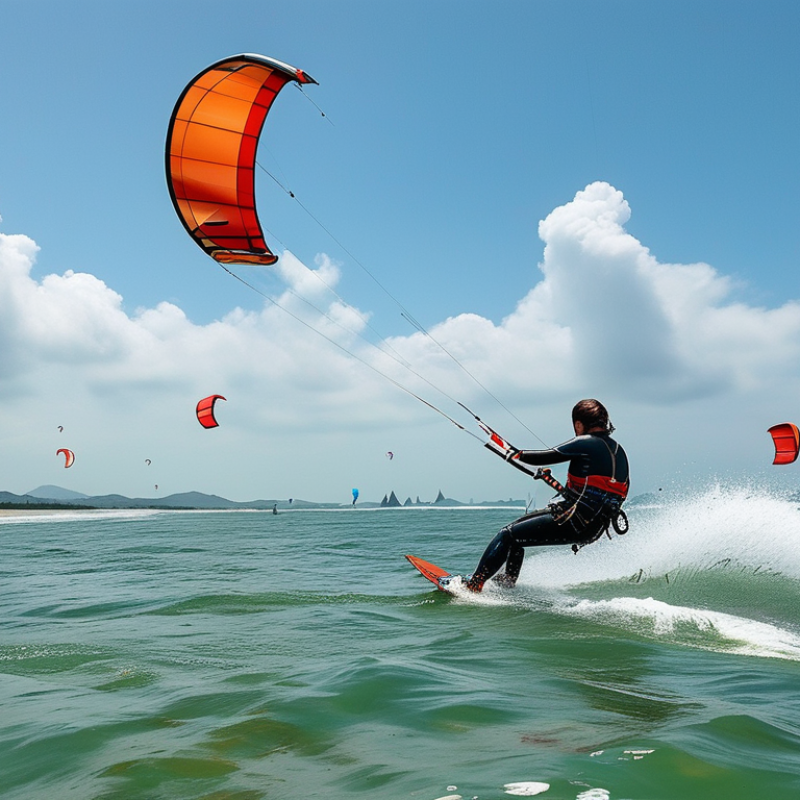
China offers varied kiteboarding conditions, from shallow coastal lagoons to windier open beaches. For beginners, the “best” location depends on wind reliability, rescue support, water depth, and instruction quality. This guide introduces practical Kiteboarding tricks that build control before excitement. Safety belongs in every lesson.

The early sessions focus on kite awareness, controlled relaunches, body dragging, and steady power strokes. These skills may look simple. They are not. A qualified instructor should check your harness, lines, launch area, and weather window before each session. Certified equipment, a helmet, and an impact vest can reduce preventable mistakes. Local beach rules also matter, especially where swimmers, boats, or protected areas share the water.

Water starts and gentle upwind riding usually follow. Small jumps can wait until steering feels automatic. In established coastal centers, including parts of Hainan, conditions may change quickly. Riders should follow local forecasts and school guidance. Personal experience often reveals an uncomfortable truth: repeating basic drills feels slower than chasing impressive tricks. It is usually faster in the long run. This introduction will compare beginner techniques, common errors, and realistic practice steps. Progress will not look perfect. That is normal.

China Best Kiteboarding Tricks for Beginners?

Kiteboarding Basics and Safety Rules for Beginners in China

Kiteboarding in China starts with control, not tricks. A beginner should take a certified lesson and practise on a wide beach with steady, moderate wind. The International Kiteboarding Organization’s safety guidance recommends checking wind direction, tide, obstacles, and launch space before every session. China’s coastal conditions can change quickly. Monsoon gusts, fishing activity, and crowded shorelines need special attention.

Wear a helmet, impact vest, suitable footwear, and a functioning quick-release system. Learn body dragging, controlled kite parking, and self-rescue before attempting jumps. A published injury-surveillance report in the Journal of Sports Sciences found an injury rate of roughly 5 injuries per 1,000 participation hours, with many incidents linked to launching, landing, or loss of control. The number is not a personal forecast. It is a warning about ordinary mistakes.

Stay well away from swimmers, rocks, boats, power lines, and public bathing areas. Follow local beach notices and maritime weather warnings. Never ride alone. Tell someone your route and expected return time. If the wind becomes gusty, land early. That choice can feel overly cautious. It is often the professional one. My own beginner error would be trusting a clear sky too much; clouds do not show every dangerous wind shift. Ask an instructor to inspect your lines, release handle, and kite before riding. Practice the release motion on land, slowly, until it feels automatic.

Choosing Beginner-Friendly Kiteboarding Locations and Conditions

Choosing Beginner-Friendly Kiteboarding Locations and Conditions

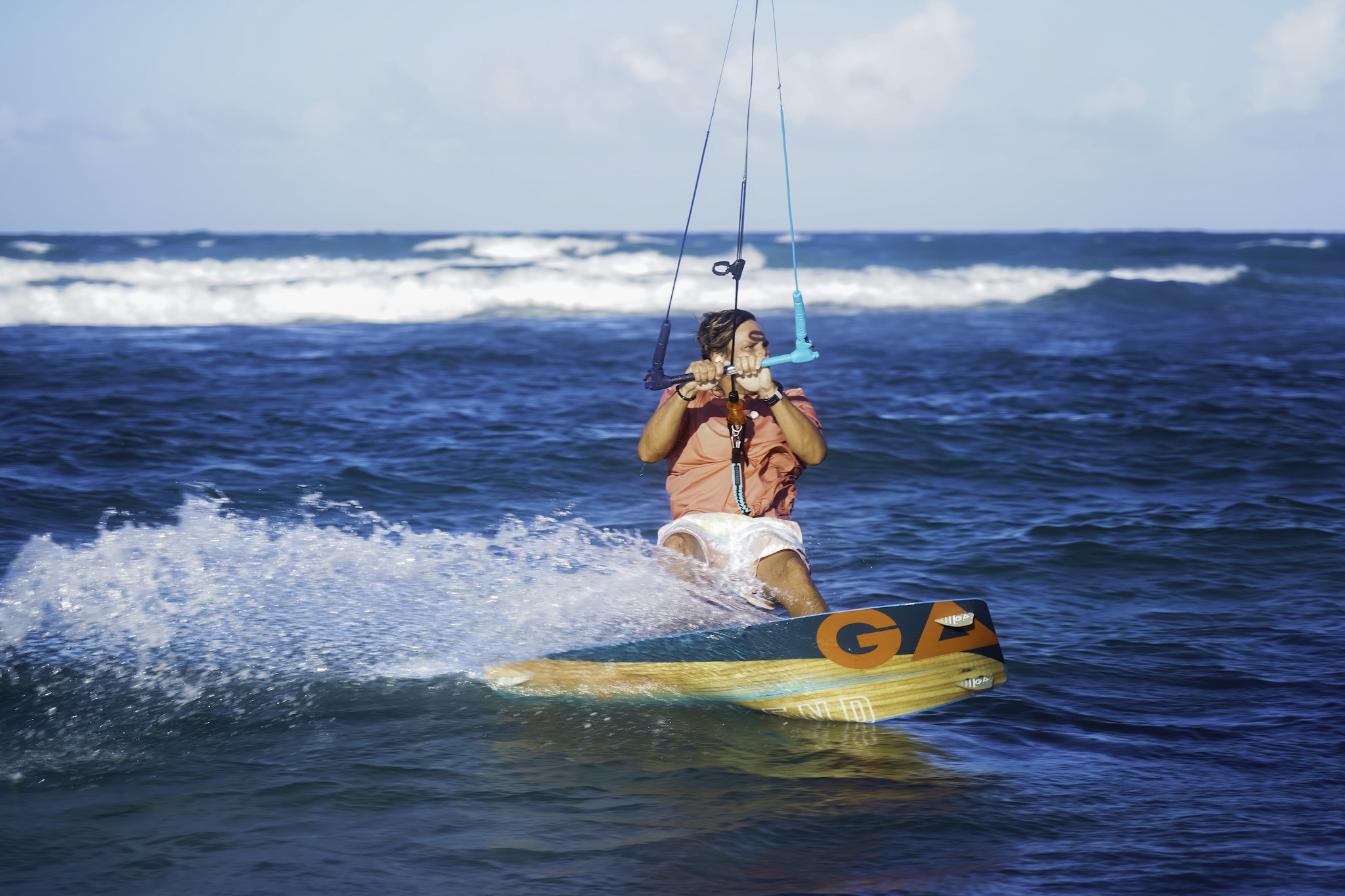
For beginners in China, the best kiteboarding location is not always the most famous beach. Look for shallow water, steady side-onshore wind, and clear safety rules. A wide sandy shoreline gives learners more space to launch, stop, and recover from mistakes. Avoid rocky entrances, strong currents, crowded swimming areas, and sudden offshore wind.

I once practiced in water that looked calm from shore, but the wind shifted every few minutes. My first launches became rushed and uneven. That experience changed my preparation. Check several local forecasts, speak with a qualified instructor, and observe the water for at least fifteen minutes.

Beginners usually handle moderate wind better than powerful gusts. Many schools recommend starting around 12 to 18 knots, but body weight, kite size, and local conditions matter.

Small waves can feel exciting, yet flat water is kinder for learning board control. Choose a supervised area with rescue support, visible boundaries, and an easy walk back to shore.

Wear suitable protection, including a helmet and flotation vest, and follow local access requirements. Do not practice alone. A quiet weekday session may be safer than a busy weekend, even when the forecast looks perfect. I still underestimate changing weather sometimes, especially near headlands, so I leave early and cancel when conditions feel uncertain.

Essential Skills: Body Dragging, Water Starts, and Controlled Turns

China Best Kiteboarding Tricks for Beginners?
Essential Skills: Body Dragging, Water Starts, and Controlled Turns
Body Dragging
Begin with body dragging in shallow, open water under qualified instruction. Keep the kite low and steady, then steer gently with one hand. Your body should remain relaxed, with hips near the surface and eyes watching the kite. Practice moving upwind without the board. This skill teaches kite control and helps you recover the board safely.
Water Starts
Water starts require patience, not force. Place the board across the wind, bend both knees, and keep the kite around 11 or 1 o’clock. As the kite pulls, extend your legs gradually instead of standing suddenly. Keep your weight centered over the board. Too much power can drag you onto your stomach. It still happens to me when I rush.
Controlled Turns
Controlled turns come after steady riding. Reduce speed before changing direction, then guide the kite smoothly through the top of the window. Bend your knees during the turn and keep your shoulders facing the new path. Avoid sharp bar movements. Small corrections work better. Wear a suitable helmet and flotation vest, check wind conditions, and maintain distance from swimmers, rocks, and other riders. A certified instructor should assess your launch area and technique. My imperfect turns remind me that control matters more than dramatic tricks.

Progressive Tricks: Small Jumps, Board Grabs, and Smooth Landings

China Best Kiteboarding Tricks for Beginners?

Progressive tricks should begin with control, not height. On Chinese beaches, check the local forecast, tide, launch area, and rescue access before rigging. NOAA’s Beaufort Wind Scale places 11–16 knots in the moderate-breeze range. That range can suit early practice, but gusts matter more than the average.

Start with small jumps over flat water. Keep the kite around 11 or 1 o’clock, edge gently, and lift only a few centimetres. Land with both knees bent and the board pointing downwind. World Sailing’s 2023 Safety and Sea Survival guidance highlights weather awareness, equipment checks, and personal flotation during water activities. I also inspect lines, quick-release systems, and board straps before every session. Small details prevent expensive mistakes.

Add a basic board grab only after repeated stable landings. Reach briefly toward the board’s front rail while keeping your head up. Do not twist your shoulders too far. A late grab usually causes a poor landing. Mine still do sometimes. That is useful feedback. I return to smaller jumps, softer knees, and earlier kite steering. Practise in waist-deep water only when the bottom is clear and local rules permit it. Ten controlled attempts beat one dramatic crash. Record wind speed, jump height, and landing quality in a simple log. Patterns become visible after several sessions.

China Best Kiteboarding Tricks for Beginners? — Progressive Tricks

This chart shows approximate wind-speed ranges commonly used for beginner progression. Start with small jumps, add simple board grabs only after stable airtime, and prioritize smooth, controlled landings in moderate wind.

Training Methods and Common Mistakes to Avoid When Learning Tricks

China Best Kiteboarding Tricks for Beginners?

Learning kiteboarding tricks starts with control, not height. Practice kite steering on land with an experienced instructor nearby. Then repeat body-dragging drills in shallow water, away from swimmers and obstacles. Wear a helmet and impact vest, and check local riding rules before every session.

Begin with a small pop. Keep the kite around eleven or one o’clock, bend both knees, and edge against the board. Pull the front hand gently while jumping from the legs. Land softly with the board pointing downwind. I recommend ten controlled pops before attempting a grab. Short sessions work better because tired legs cause poor decisions.

Common mistakes appear quickly. Many beginners pull the bar too hard and send the kite overhead. This creates unwanted lift and weak control. Others stare at the kite instead of watching their landing area. Keep your eyes moving. Do not practice tricks in gusty wind or crowded water. A failed landing can damage confidence, and sometimes equipment. I still occasionally rush a new movement after one good attempt. That is a mistake worth admitting. Reset the kite, breathe, and try again only when the wind feels steady. Never train advanced rotations without professional supervision and enough open space.

We use Cookies and Google Analytics. We store no personal details. Learn more about our privacy policy.