What Are Kiteboarding Boards and How Do They Work?

Kiteboarding boards are the rider’s connection to the water, wind, and kite. They provide flotation, edge control, and direction during every ride. Unlike ordinary surfboards, these boards work with a kite’s pulling force. The rider uses the board’s edge to resist that pull and travel across the water.

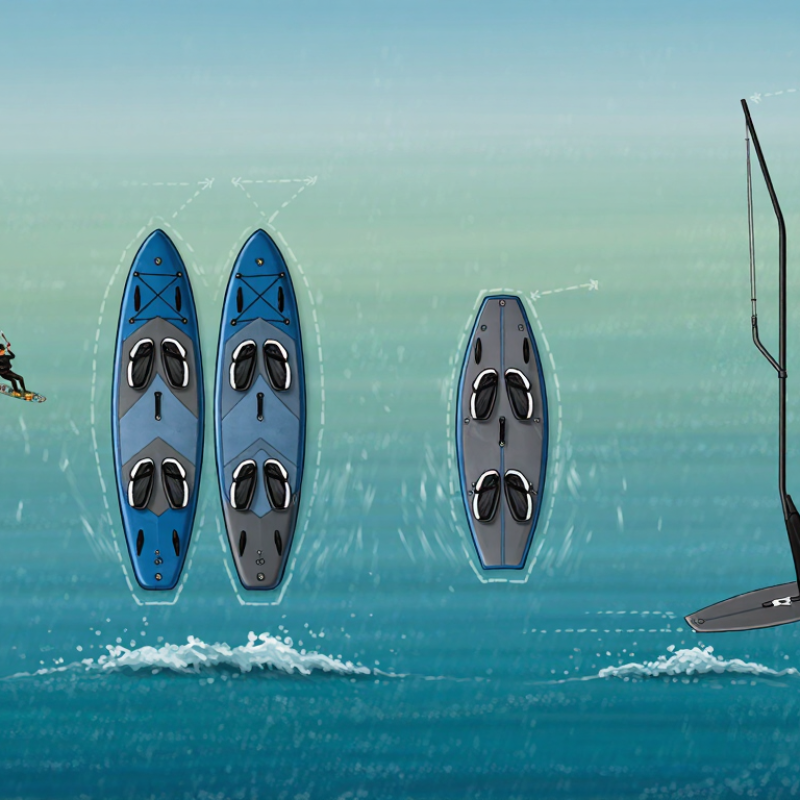
Board design changes the riding experience. Twin-tip boards have symmetrical shapes and bindings, making them practical for jumps, freestyle, and changing directions. Directional boards resemble compact surfboards and suit wave riding or longer, smoother turns. Foil boards use a submerged hydrofoil, which lifts the board above the surface as speed increases. It feels remarkably quiet.

Shape, width, rocker, fins, and flex all influence performance. A wider board can help beginners start more easily. A stiffer board may respond quickly during powered turns. Fins improve tracking, while the rail creates resistance against sideways drift. These details are small, but they matter.

Choosing correctly requires honest assessment. Consider body weight, riding location, wind strength, skill level, and personal goals. A board recommended for flat water may feel demanding in choppy conditions. Even experienced riders sometimes select equipment based on marketing rather than actual needs. That is worth reconsidering. Reliable guidance from qualified instructors, experienced local riders, and established manufacturers can prevent costly mistakes. Throughout this guide, we will examine how Kiteboarding boards work, why their designs differ, and how practical testing can lead to a safer, more confident choice.
What Are Kiteboarding Boards and How Do They Work?

Definition and Core Purpose of Kiteboarding Boards

Kiteboarding boards are the rider’s main platform on the water. They transfer power from the kite into movement, balance, and direction. A board usually has a shaped deck, foot straps, fins, and reinforced edges. Its width and rocker affect stability, speed, and turning response. Larger boards float more easily, helping beginners stand and start with less effort. Smaller boards feel quicker, but they demand stronger balance and more precise control. The board does not create power alone. It works with the kite, body position, and water conditions.

In practical instruction, riders often begin with a wider board and moderate flex. This setup makes early starts less frustrating. Keep your weight centered. Press the heels gently against the edge to resist sideways sliding. Shift weight toward the back foot when changing direction. Board design also affects comfort. A softer surface can reduce impact during rough landings, although it may feel less responsive. No board suits every rider. I have found that beginners sometimes choose a narrow board too soon, then blame their technique. That judgment can be unfair; equipment and conditions matter.

Tips: Check the board for loose straps, cracks, or damaged fins before riding. Adjust the straps so your feet stay secure without painful pressure. Practice edging in shallow, permitted water with qualified supervision. Wind strength can change quickly, so local conditions deserve careful attention. Even experienced riders misread a gust sometimes. That mistake is worth remembering.

Main Board Types and Their Distinctive Features

Kiteboarding boards convert kite power into controlled movement across water. Their outline, rocker, fins, and foot straps decide how efficiently that happens. The twin-tip is the common all-round design. It has identical curved ends, a wide platform, and fins on both sides. Riders can change direction without turning the board around. Its steady edge suits beginners, powered jumps, and choppy water.

Directional boards resemble compact surfboards. They have a pointed nose, a longer waterline, and usually three fins. This shape tracks smoothly through waves and carries speed with less effort. Surf-style boards often use softer construction, but that can reduce impact resistance. They are not automatically easier.

The foil board is narrower and carries a mast, fuselage, and underwater wing. Once lifted, it creates very little drag. The 2024 Outdoor Foundation Participation Report lists windsurfing and kitesurfing within its tracked outdoor activities, while Grand View Research’s 2024 equipment analysis identifies foil equipment as a fast-growing niche. Those reports indicate expanding interest, not guaranteed skill gains.

Hybrid boards sit between twin-tips and directionals. They offer moderate width, curved rails, and flexible fin options. In practice, that compromise can feel practical but less precise. I have found that beginners often choose by appearance, then struggle with board width and stance. A wider twin-tip usually forgives rough landings. A directional rewards stronger foot pressure and wave awareness. The wrong size can make even a well-designed board feel unresponsive.

Key Components That Shape Board Performance

What Are Kiteboarding Boards and How Do They Work?

Key Components That Shape Board Performance

A kiteboarding board converts kite pull into controlled movement across water. Its outline, rocker, flex, and bottom shape decide how efficiently that happens. A wider outline increases early planing and stability. A narrower shape feels faster but demands cleaner foot pressure. The rocker lifts the nose over chop, while excessive rocker can reduce speed. It is a trade-off.

The 2024 Outdoor Participation Trends Report recorded 175.8 million American outdoor participants in 2023. That broad figure does not measure kiteboarding alone, but it reflects growing demand for equipment that feels accessible. A 2024 market analysis by Grand View Research projected continued growth in kitesurfing equipment, with annual expansion near 5%. Forecasts vary by research method, so they should not replace water testing.

Board construction matters just as much. A wood or composite core controls weight and flex. Softer flex cushions landings and helps beginners recover from mistakes. Stiffer flex delivers sharper edging and stronger upwind drive. Channels under the board improve grip, while fins stabilize the tail. Too many fins can add drag. Small details matter. Experienced riders often adjust fin size, stance width, and binding angle after testing the same board in different wind conditions. I still find laboratory numbers incomplete; real chop exposes weaknesses that a smooth test tank cannot.

What Are Kiteboarding Boards and How Do They Work? - Key Components That Shape Board Performance

Board Component or Dimension Common Specifications How It Works Effect on Performance Best Suited For
Board Type Twin tip, directional, or foil board The outline and stance are designed around the board’s intended riding direction and use. Twin tips provide easy switching; directional boards support wave riding; foil boards reduce drag when paired with a hydrofoil. Twin tips: general freeride and freestyle; directional boards: waves; foil boards: light-wind and efficient cruising.
Length Approximately 130–145 cm for many adult twin tips; directional and foil boards vary substantially. A longer board generally creates more waterline and surface area, while a shorter board is easier to rotate and maneuver. Longer boards can improve stability and early planing; shorter boards usually feel more agile. Larger riders, beginners, and light-wind conditions often benefit from more length; advanced riders may prefer a shorter outline.
Width Often about 38–43 cm for adult twin-tip boards, depending on length and design. Width increases the board’s planing surface and lateral support on the water. More width can improve low-wind performance and stability, but excessive width may feel slower edge-to-edge. Beginners, heavier riders, and riders seeking earlier planing.
Rocker Low, moderate, or high curvature from nose to tail. Rocker changes how much of the board contacts the water and how easily the board cuts through chop. Low rocker planes early and maintains speed; more rocker improves control in chop and helps powered turns and landings. Low rocker: freeride and light wind; moderate or high rocker: freestyle, stronger wind, and rougher water.
Flex Pattern Soft, medium, or stiff longitudinal and torsional flex. Flex allows the board to deform under load, absorbing impacts or storing and releasing energy during turns. Softer flex is forgiving and comfortable; stiffer flex delivers rapid edge response, pop, and control at speed. Soft flex: beginners and choppy water; stiff flex: powered freestyle and aggressive edging.
Rails Rounded, beveled, or sharper rail profiles. Rails engage with the water when the rider leans the board onto its edge. Sharper rails hold an edge strongly and improve upwind drive; rounded rails release more smoothly and feel more forgiving. Sharper rails: edging and freestyle; rounded or beveled rails: comfort and variable water conditions.
Bottom Shape Single concave, double concave, channels, or relatively flat sections. Contours direct water flow beneath the board and influence lift, tracking, and impact absorption. Concaves can improve grip and water flow; channels add directional stability but may make the board feel more demanding. Riders who want a balance of speed, control, and reliable edging.
Fins Twin-tip fins commonly measure about 2–6 cm; directional boards may use larger fins. Fins resist sideways movement and help the board track while the rider edges against the kite. Larger fins increase hold and directional stability; smaller fins reduce drag and make sliding or rotation easier. Freeride and upwind riding benefit from more hold; freestyle often favors reduced fin resistance.
Rocker and Outline Combination Wide tips, narrow waist, parallel outline, or rounded outline. The outline distributes buoyancy and determines how the board transitions between planing, edging, and turning. Wide tips improve stability and low-speed lift; a narrower waist can make carving and edge changes more responsive. Freeride riders, learners, and anyone selecting a board for a specific wind range.
Core Material Common constructions include wood cores, foam cores, and composite laminates. The core provides thickness and structure, while external laminates add stiffness, strength, and impact resistance. Wood-based cores often provide durable, predictable flex; foam and composite designs can be tuned for low weight and specific stiffness. The best choice depends on durability, weight, flex preference, and riding discipline.
Bindings and Foot Straps Straps with footpads or fixed boots, usually positioned near the board’s stance reference points. They transfer rider movements to the board and help maintain contact during powered turns and jumps. Adjustable straps improve comfort and ease of release; boots provide stronger connection but require more careful fit and release considerations. Straps suit most freeride use; boots are commonly chosen for high-powered jumping and freestyle.
Stance Width and Angles Stance width and binding angles are adjustable within the board’s mounting range. Positioning changes leverage over the rails, weight distribution, and the rider’s balance between both feet. A wider stance can improve leverage and landing stability; a narrower stance may feel more comfortable and maneuverable. Adjust according to rider height, flexibility, skill level, and preferred riding style.
Weight and Volume Twin-tip boards are generally selected by length, width, and flex; directional and foil boards also use volume as an important reference. Weight affects swing weight and handling, while volume influences flotation and low-speed support. A lighter board can rotate more easily; greater volume improves stability and flotation but may feel less responsive in strong wind. Lightweight designs suit jumps and tricks; higher-volume boards benefit light-wind riding, beginners, and larger riders.

Note: Specifications vary by board type, rider weight, wind strength, water conditions, and riding style. The ranges shown are general reference values rather than universal standards.

How a Kiteboarding Board Moves Across the Water

What Are Kiteboarding Boards and How Do They Work?

How a Kiteboarding Board Moves Across the Water

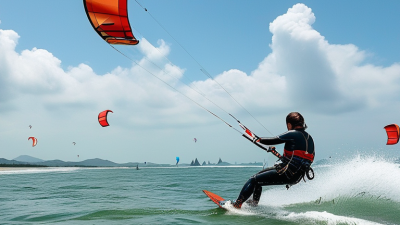
A kiteboarding board converts the kite’s pull into controlled forward motion. Its flat base presses against the water, creating lift and reducing sideways drift. The rider edges the board by leaning against the kite’s force. This edge acts like a fin, resisting the wind’s lateral pull and directing energy forward.

Board size changes the experience. Published equipment data in the 2023 Global Kitesports Association technical coverage places many freeride boards near 130–150 centimetres. Wider boards provide more surface area and rise earlier in lighter wind. Smaller boards feel quicker, but they demand better balance and stronger wind control. Beginners often benefit from extra width, although that advice is not universal.

The board’s rocker, or upward curve, also shapes movement. A flatter rocker releases water efficiently and helps maintain speed. A deeper rocker softens landings and improves control in choppy water. The International Kiteboarding Organization’s instructor guidance emphasizes stance, edge control, and progressive power rather than simply choosing a larger board. That distinction matters.

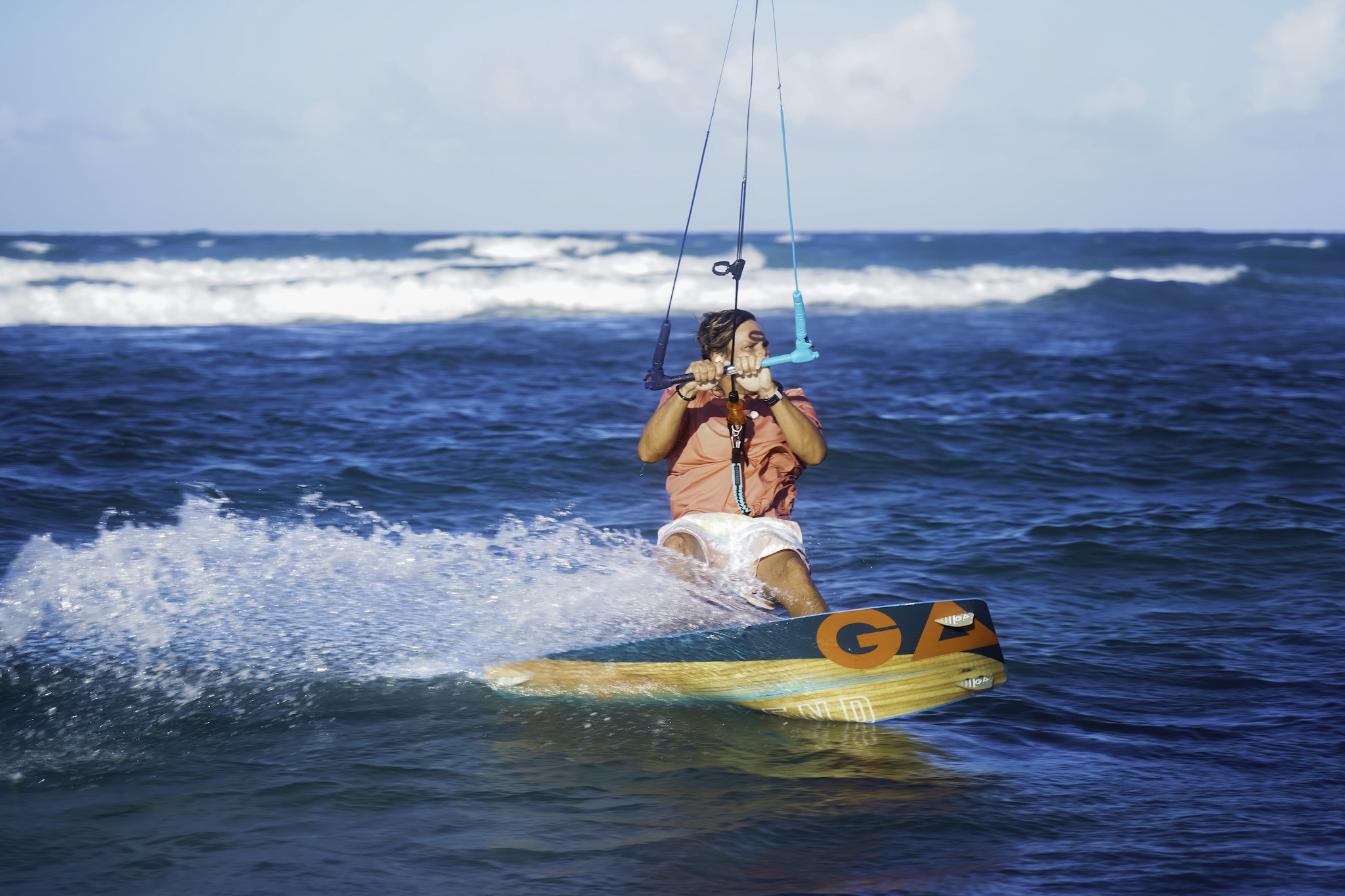
In practice, the board does not move alone. The kite generates traction, while the board manages resistance. A rider shifts weight toward the heels, loads the edge, and creates pressure beneath the hull. Water sprays from the upwind rail. That spray is useful feedback. Too much usually means excessive edging or poor posture. I still find board selection imperfect because wind, body weight, water texture, and riding goals interact constantly.

Choosing the Right Board for Different Riding Styles

What Are Kiteboarding Boards and How Do They Work?

Choosing the Right Board for Different Riding Styles

A kiteboarding board connects the rider to the water and transfers kite power into movement. Its outline, rocker, fins, and surface size shape how it behaves. A wide twin-tip board offers stability and easy edging. It suits beginners, freeride sessions, and controlled jumps. Moderate rocker helps the board release smoothly from choppy water.

Wave riders often choose directional boards with a pointed nose and longer rail. These boards cut through waves and hold a steady line while the kite moves forward. Smaller boards feel lively, but they demand stronger balance and accurate foot pressure. They can become tiring when the wind becomes uneven.

Light-wind riders may prefer a larger board with low rocker. More surface area helps the board stay planing with less power. However, a large board can feel slow during quick turns. Freestyle riders usually need a stiff board with strong edging ability. It loads against the water before a jump and releases sharply. That response is exciting, though unforgiving.

I learned that board choice depends on more than body weight. Water texture, riding goals, and local wind matter just as much. My first board was too large for fast transitions. It felt safe, but it limited my progress. This was not a gear failure; it was a poor match. Riders should test stance width, fin depth, and comfort before trusting specifications alone. Even experienced riders sometimes choose the wrong board.

We use Cookies and Google Analytics. We store no personal details. Learn more about our privacy policy.