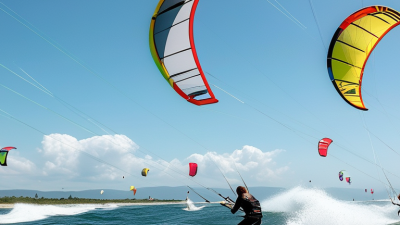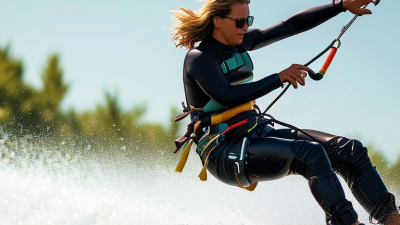
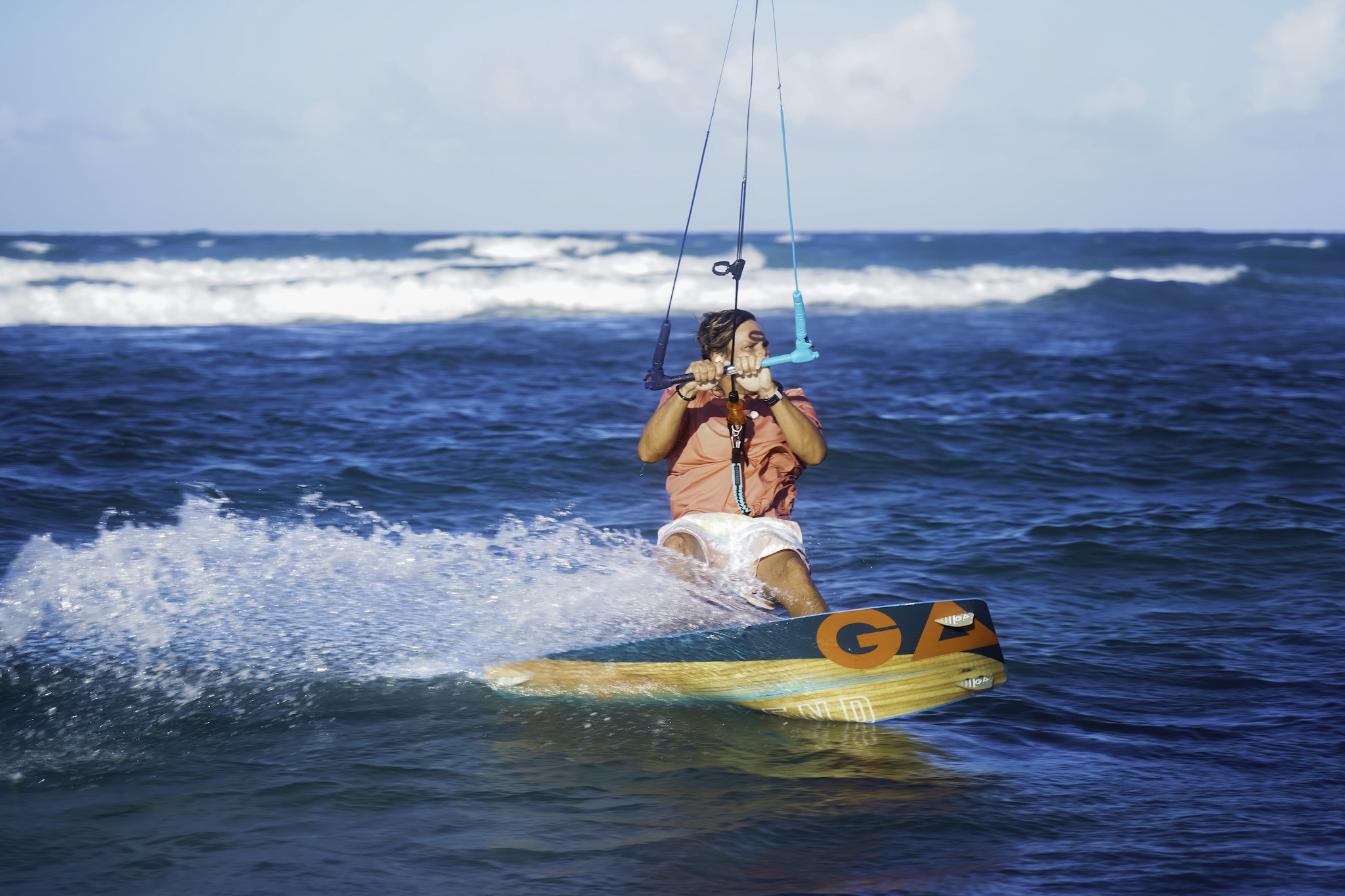
Starting kiteboarding can feel both thrilling and slightly intimidating. A kite pulls hard, the wind changes quickly, and the water rarely feels predictable. This Beginner kiteboarding guide introduces the skills, equipment, and decisions that help new riders progress with control. It covers wind assessment, trainer-kite practice, body dragging, water starts, board handling, and safe stopping techniques.
Veteran kiteboarding instructor and coach Dimitri Maramenides often emphasizes, “When in doubt, don’t go out.” That simple principle belongs at the center of every lesson. Beginners should learn with a qualified instructor, use properly fitted safety equipment, and practice in open water with clear launch and landing areas. A helmet, impact vest, quick-release system, and suitable kite are practical necessities, not accessories. Check the forecast before leaving. Watch the shoreline, clouds, gusts, and other water users.
Progress may not look smooth. Your first water start might end with a short ride, a hard splash, and a tangled board leash. That is normal. Still, frustration can hide poor judgment. Do not chase stronger wind because another rider makes it look easy. Learn to release the bar, activate the safety system, and relaunch calmly before attempting longer rides. Small steps matter.
This guide also addresses common beginner mistakes, including overpowered launches, staring only at the kite, and skipping weather checks. Some advice may feel overly cautious. It probably is. Reliable kiteboarding begins with patience, honest self-assessment, and respect for changing conditions. The goal is not simply to ride quickly. It is to return safely, understand what happened, and improve during the next session.
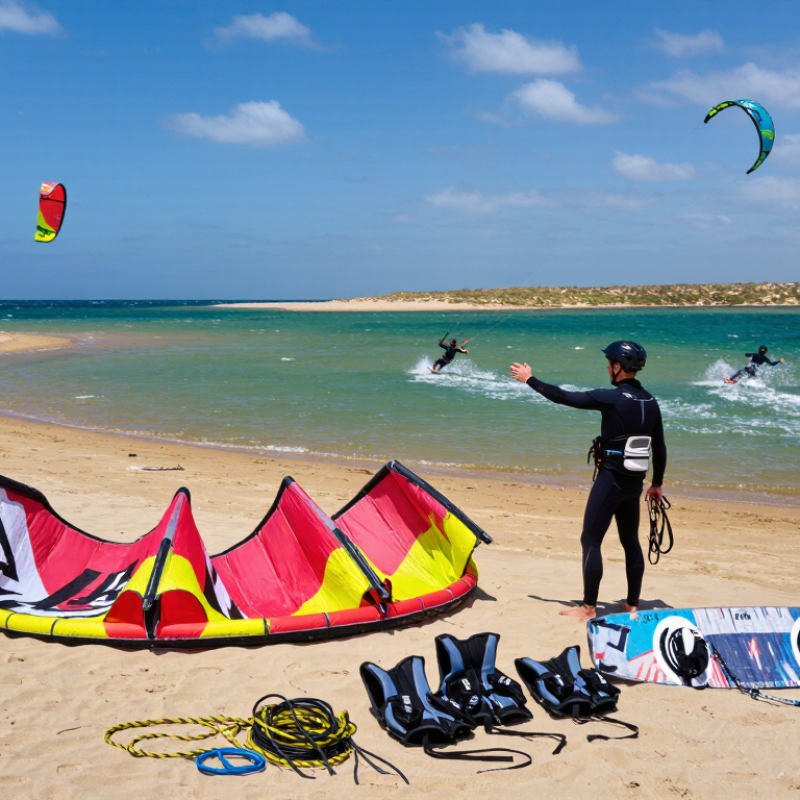
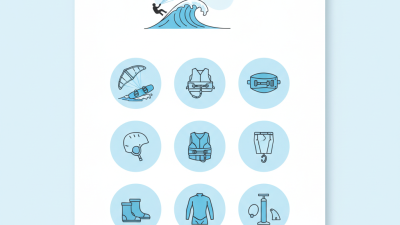
Kiteboarding begins with equipment, not adrenaline. A beginner needs a stable training kite, a properly fitted harness, a helmet, and an impact vest. The control bar must have a working quick-release system. Check it before every session. The kite size depends on rider weight, wind strength, and water conditions. Larger kites generate more power in light wind. Smaller kites become safer when wind increases.
Wind knowledge matters more than confidence. The U.S. National Weather Service classifies 12 knots as force 4 and 18 knots as force 5 on the Beaufort scale. These speeds can feel gentle on shore but become powerful across open water. Beginners should learn with an instructor in steady, cross-shore wind. Avoid offshore wind. Gusts create sudden loading and poor control.
NOAA buoy observations can reveal wind speed, direction, and recent gust changes. Forecast apps alone are not enough.
The Global Wind Atlas 3.0, developed by DTU and the World Bank, offers wind data using a high-resolution 250-meter grid. It helps compare locations, but it cannot replace local observation.
Read the water. Look for whitecaps, shifting clouds, and crowded launch areas. I once underestimated how quickly a gust could change a calm lesson. That mistake still influences my checks.
Leave extra space near rocks, swimmers, and hard obstacles. Conditions should feel manageable, not heroic.
How to Start Kiteboarding: A Beginner Guide
Choosing the right learning location matters more than buying advanced equipment. Select a certified kiteboarding school with qualified instructors and visible safety procedures. The beach should have steady, moderate wind, deep open water, and a clear launch area. Avoid crowded shores, sharp rocks, strong currents, and obstacles such as trees or power lines. Ask about local riding rules, emergency access, and weather changes before booking a lesson. A safe school should explain its rescue plan without hesitation.
Keep your first gear simple and forgiving. A small trainer kite can help you understand wind direction before entering the water. For lessons, use a stable beginner kite, a larger board, and a properly fitted helmet. An impact vest adds useful flotation and protection. Your instructor should choose the kite size according to your weight, wind strength, and local conditions. Check the lines, bar, quick-release system, and inflation points before every session. Never assume rented equipment is automatically safe.
Tips: Watch the wind for several minutes. Notice sudden gusts. Walk the launch area slowly. Practice releasing the safety system on land. Do not ride alone during early sessions. I would rather delay one lesson than launch in uncertain weather. A beginner may feel ready too soon, and that judgment can be wrong. Ask your instructor to correct your setup, even when it feels embarrassing. Reliable progress often looks slower than expected.
Wind speed is a key factor when choosing a safe learning location. The ranges below are general guidance for beginners using appropriately sized equipment and professional instruction.
Beginner lessons are commonly held in steady winds around 12–20 knots. Winds below 12 knots may not provide enough power, while winds above 20 knots require greater skill and careful equipment selection. Always follow local rules, check the forecast, and ask a qualified instructor before launching.
Learning kite control begins before entering the water.
Take a lesson with a qualified instructor and choose a spacious, wind-safe beach. Check wind direction, gusts, tide, launch areas, and emergency access. Wear a helmet, impact vest, and suitable harness. Practice the release system on land. It should become automatic. Keep lines clear of people, rocks, and obstacles. A kite can react faster than a beginner expects.
In shallow water, hold the control bar lightly and watch the kite’s position.
The wind window is the space where the kite flies. Move it slowly toward the edge, then back toward twelve o’clock. Small hand movements create large power changes. Avoid pulling both sides sharply. That mistake can cause a stall or sudden dive. Breathe, relax your shoulders, and keep your elbows soft. If the kite surges, release the bar instead of fighting it. Many beginners focus on the board too early. Control comes first.
Body dragging teaches you to move without a board.
Keep the kite around ten or two o’clock, depending on your direction. Angle your body across the wind, with one arm extended like a rudder. To travel upwind, press your hips forward and guide your path with your free hand. Turn the kite gently, not aggressively. If you lose direction, stop steering and stabilize the kite. Your first body drag may look messy. That is normal. Practice recovering the board only after returning upwind feels reliable. Ask your instructor to watch your body position, because small errors can become habits.
Learning to kiteboard becomes clearer when water starts, board control, and steering are practiced as separate skills. The International Kiteboarding Organization’s instructor framework recommends staged progression, with supervised body-dragging before board starts. That sequence matters. A kite can pull harder than expected.
Begin in waist-deep water with steady wind and plenty of space. Keep the board across the wind, not directly downwind. Place your feet gently, then send the kite through a small power zone. Rise slowly. If the board shoots away, reduce kite power instead of fighting it. My first attempts were too rushed. Small corrections work better.
Once standing, keep your knees soft and your weight slightly over the back foot. Point the front of the board toward the wind to slow down. Point it away to accelerate. Steer with short bar movements, because large inputs create unstable power. Practice stopping often. The 2024 Outdoor Foundation Outdoor Participation Trends Report counted 175.8 million American outdoor participants, showing strong demand for coached recreation, but broad participation data does not measure kiteboarding skill. The British Kitesports Association also emphasizes training, equipment checks, and weather awareness in its safety guidance. Check the forecast before launching. Wind changes quickly. Record one useful mistake after every session.
Building safety awareness is more important than chasing longer rides. Begin with a qualified instructor who teaches wind reading, equipment setup, body dragging, relaunching, and self-rescue. Learn the local riding rules before entering the water. Check weather forecasts, tide changes, water temperature, and nearby obstacles. Gusty wind can turn a calm-looking beach into a dangerous launch area. Leave extra space from swimmers, rocks, boats, and other riders. Never launch alone as a beginner.
Inspect the lines for tangles, check the kite canopy, and confirm the safety system releases smoothly. Practice activating the release on land. Then reset it correctly. Small details matter. During early water sessions, keep the kite low enough for control, but not so low that it catches the water unexpectedly. If the kite pulls too strongly, release power immediately instead of fighting it. A helmet and suitable flotation aid add protection, but they cannot replace judgment.
Independent riding develops through controlled repetition. Start in steady, moderate wind with an easy exit from the water. Practice body dragging upwind before attempting a board start. After each session, note what went wrong, including poor timing, tired reactions, or an incorrect launch position. Many beginners progress faster when they accept slower improvement. Confidence can hide weak habits. I would rather see a learner stop early than continue while exhausted, uncertain, or unable to explain the next safety action.