How to Choose the Best Kiteboarding Materials?

Choosing the right Kiteboarding materials is more than comparing weight, price, or bright colors. Every fabric affects inflation, steering response, durability, and safety on the water. A canopy made from woven ripstop polyester may feel crisp and light, while Dacron reinforcement supports the leading edge during repeated launches. TPU bladders need careful inspection, especially around valves and seams. Lines also matter. High-strength polyethylene fibers can reduce stretch, but abrasion may become a serious weakness.

Industry data shows why material decisions deserve closer attention. The Outdoor Industry Association’s 2024 Outdoor Participation Trends Report recorded 175.8 million American outdoor participants in 2023. That figure does not measure kiteboarding alone, but it reflects stronger demand for reliable recreational equipment. The European Outdoor Group’s State of Trade reports also emphasize product durability, responsible sourcing, and longer service life across outdoor markets. These trends support a practical question: does a cheaper material remain economical after repairs, replacement, and lost sessions?

The best choice depends on riding style, wind conditions, body weight, and maintenance habits. Freeride beginners may value stable construction over minimum weight. Wave riders may prefer materials that tolerate saltwater, dragging, and frequent relaunches. Check manufacturer specifications, warranty terms, seam quality, and recognized safety guidance before buying. A lighter kite is not automatically better. Published laboratory tests also rarely reproduce sharp sand, cold water, or careless packing. That limitation matters. Good decisions combine technical data with honest inspection. Sometimes, the strongest material is simply the one you can maintain properly.
How to Choose the Best Kiteboarding Materials?

Understanding the Main Materials Used in Kiteboarding Gear

Choosing kiteboarding materials starts with understanding what each fabric must survive. The canopy needs lightness, tension, and resistance to repeated inflation. Ripstop nylon remains common because its woven reinforcement limits small tears. Polyester offers better dimensional stability under sunlight, but it can feel less forgiving during packing. According to the 2024 Textile Exchange Materials Market Report, recycled polyester represented about 14% of global polyester production in 2023. That figure supports recycled options, although recycled content does not automatically mean stronger fabric.

The frame and connection points demand different materials. Leading-edge tubes usually use reinforced polyester or laminated technical textiles, balancing air retention with flexibility. Dyneema-style high-strength fibers can reduce line diameter and stretch, while aramid fibers provide impressive tensile strength. They also dislike abrasion and sharp handling. ISO 21853:2020 specifies safety requirements for kiteboarding systems, reminding buyers that material choice affects release behavior, not just performance.

In my experience, a durable kite feels trustworthy before it feels fast. Inspect stitching, valve bonding, bridle sleeves, and canopy coating under direct light. Small flaws matter. The Outdoor Industry Association’s 2024 Participation Trends Report recorded 57.8 million American outdoor participants, showing a broad market for equipment built to endure frequent use. Still, published figures cannot predict every beach, landing, or careless fold. I would choose balanced construction over the lightest specification, then accept that even good materials need inspection and replacement.

How to Choose the Best Kiteboarding Materials?

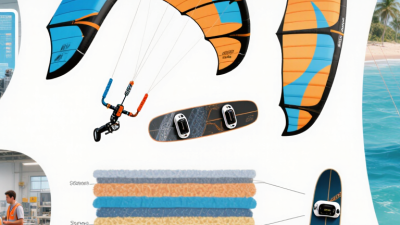
Understanding the main materials used in kiteboarding gear helps balance weight, durability, flexibility, and performance. The chart compares typical areal mass values for common kite fabric and bladder materials.

Lower areal mass generally helps reduce overall kite weight, while heavier fabrics usually provide greater abrasion resistance and structural support. Lightweight ripstop polyester is commonly used for canopies, high-tenacity woven polyester for leading edges and struts, and TPU film for inflatable bladders. Actual values vary with coating, weave, thickness, and construction.

Matching Kite Materials to Riding Style and Wind Conditions

Choosing kiteboarding materials starts with an honest look at your riding style. Freeride riders often benefit from balanced canopy fabric, moderate stiffness, and durable leading-edge construction. These choices create predictable steering during relaxed tacks and small jumps. Wave riders usually need lighter materials that relaunch quickly and drift when the kite loses power. A stiff frame can feel precise, but it may pull awkwardly in changing surf. I learned this after using an overly rigid kite in messy shoulder-high waves. It stayed stable, yet punished every late steering input.

Wind strength changes material priorities. In steady 18-knot wind, medium-weight canopy fabric can provide useful feedback without feeling slow. In gusty conditions, slightly flexible cloth may absorb sudden pressure better. However, too much stretch can blur steering response and reduce depower control. Light wind favors low-weight materials, especially for larger kites. Less mass can improve relaunching and floating. Salt, sand, and repeated inflation also matter. Coated fabrics resist moisture, but coatings may age faster when packed wet. Let the kite dry fully.

Your board and local launch should influence the decision too. A beginner practicing water starts may value abrasion resistance over minimal weight. Experienced jumpers may prefer a firmer frame for cleaner takeoffs and harder landings. Inspect seams, valves, and fabric tension before trusting technical claims. Ask how the kite behaves after one season, not only on day one. I still choose lighter gear for convenience sometimes, then regret it when the wind becomes strong.

Comparing Board, Bar, Line, and Harness Material Options

How to Choose the Best Kiteboarding Materials?

Comparing Board, Bar, Line, and Harness Material Options

Choosing kiteboarding materials starts with your local water and wind conditions. In choppy water, a flexible foam-core board can soften hard landings. A stiffer composite board usually delivers faster edge control and sharper turns. Lighter boards feel responsive, but they can seem nervous under powerful gusts. For beginners, durability often matters more than small weight savings.

The bar should feel rigid without becoming uncomfortable in cold hands. Aluminum offers practical strength, while carbon can reduce weight but may demand careful inspection. The safety release must operate smoothly with one hand.

Lines made from high-strength fiber provide low stretch and accurate steering. Check them for fuzzing, flat spots, or uneven length after every few sessions. Small damage can become serious quickly.

A waist harness allows easy movement, while a seat harness gives stronger support during long rides. Neoprene padding improves comfort, but thick padding can trap water and add weight. Molded spreader components should resist twisting, and webbing should remain firm around the hips.

I once chose a lighter setup and regretted it after several rough landings. Weight is not the only measure of performance. My judgment is still imperfect, so I test fit, flex, and release functions before riding. No material lasts forever.

Evaluating Durability, Weight, Performance, and Maintenance Needs

How to Choose the Best Kiteboarding Materials?

Durability starts with the canopy fabric, seams, valves, and bridle lines. Textile Exchange’s 2024 Materials Market Report estimated that polyester made up about 57% of global fiber production in 2023. That matters because polyester can offer low stretch and useful UV resistance, but coating quality still decides long-term performance.

Ask for tear-strength and hydrolysis-test results, not only “high-density” marketing language. Inspect stitching closely. Uneven seams often reveal more than glossy fabric.

Weight affects handling, especially in light wind. A lighter kite may turn faster and relaunch easily, yet thin fabric can feel less forgiving after repeated sand exposure. During testing, I prefer checking the kite after several sessions, not only during its first flight.

The difference is visible: stiff fabric holds its shape, while tired material develops soft creases near the leading edge. Performance also depends on line stretch, bridle friction, and pressure retention. More complicated systems can fly impressively. They can also demand more patience.

Maintenance needs should be measured honestly. Rinse salt and sand with fresh water, dry the kite fully, and store it away from heat. Follow recognized tear and abrasion methods, such as ISO 13937 and ISO 12947, when comparing supplier data.

These tests are useful, but they cannot recreate every beach. I once valued minimum weight too highly; a slightly heavier kite with stronger seams would have reduced my repair time.

Reliability is often less exciting than speed.

Choosing Materials Within Your Budget and Skill Level

Choosing the best kiteboarding materials starts with your budget and skill level, not with the most expensive gear. A beginner usually benefits from durable fabric, stable construction, and forgiving handling. These features can reduce repair costs after rough landings. They also make early practice less frustrating.

I have found that beginners often overspend on lightweight materials. Lighter equipment can feel responsive, but it may demand faster reactions and cleaner technique. A slightly heavier kite can offer steadier feedback in changing wind. This is not always exciting. It can be safer for learning.

Intermediate riders may choose lighter canopy fabric and stiffer board materials for quicker turning. However, these options often cost more and may need careful storage. Salt, sand, and strong sunlight gradually weaken equipment. Rinse everything with fresh water and let it dry completely. Inspect seams, bridles, valves, and board edges before each session. Small damage rarely improves by itself.

My early advice was too simple. I once focused on performance and ignored replacement costs. That mistake taught me to compare durability, repairability, and local service access. Ask an instructor to check your planned setup, especially if you are unsure about wind range. A practical choice should match your lessons, riding frequency, body weight, and expected conditions. Do not buy advanced materials merely for their appearance. Your equipment should support steady progress, even when your technique is still imperfect.

We use Cookies and Google Analytics. We store no personal details. Learn more about our privacy policy.