How to Choose Kitesurfing Accessories for Your Business

Kitesurfing accessories can shape a retailer’s reputation before a customer launches a kite. A reliable harness, clear safety leash, and weather-resistant board bag each solve a practical problem. For businesses, these products also influence returns, reviews, and repeat purchases.

Choosing well requires more than comparing wholesale prices. Product testing should examine stitching, buckles, corrosion resistance, packaging, and compatibility with common kite systems. A coastal shop may need UV-resistant materials and sealed zippers. A school serving beginners may prioritize easy-adjust helmets, impact vests, and visible safety instructions. Ask suppliers for test records, material details, and consistent batch quality. Trust grows from evidence.

Experience still matters. A product can look impressive online yet feel awkward after thirty minutes on the water. Staff should inspect samples, simulate changing conditions, and record customer feedback. Small details count. Does the leash tangle? Does the pump gauge remain readable? Can a cold-handed rider adjust the foot straps? These observations often reveal weaknesses that catalog photographs hide. I have learned that “premium” is not always practical; sometimes a simpler design serves customers better.

A strong buying strategy balances rider safety, durability, fit, supplier reliability, and local demand. It should also leave room for honest review. Trends change, and one successful season does not prove every accessory deserves permanent shelf space. By combining field experience with transparent specifications, businesses can select Kitesurfing accessories that support safer sessions and sustainable growth.
How to Choose Kitesurfing Accessories for Your Business

Understanding Kitesurfing Accessories and Their Business Applications

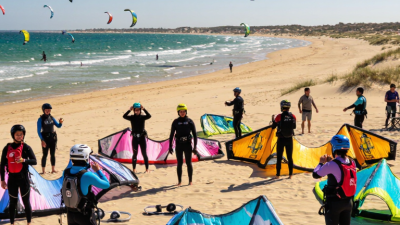
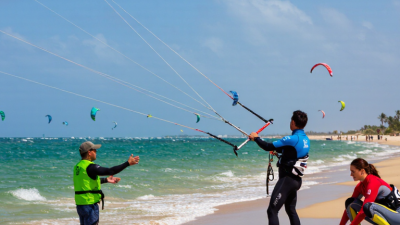
Kitesurfing accessories support several business models: retail, equipment rental, lessons, and guided travel. The right selection begins with use, not appearance. A school needs impact vests, helmets, repair kits, pumps, and secure storage. A rental center also needs durable leashes, universal valves, and visible inspection tags.

According to the Outdoor Industry Association’s 2024 report, 175.8 million Americans participated in outdoor recreation during 2023. This broader market signal matters. More participants can create demand for entry-level accessories, but beginners often need clearer guidance. In rental operations, I have found that simple sizing charts reduce fitting errors. Still, charts are not enough. Wind, body weight, water temperature, and riding ability can change the correct choice.

Grand View Research estimates the global water sports equipment market will grow steadily through 2030, with equipment durability remaining a purchasing concern. Businesses should compare replacement rates, warranty terms, and repair access before ordering. A cheaper harness may appear profitable, yet frequent stitching failures can increase labor costs and customer complaints. That lesson is easy to miss.

Keep records. Inspect every item before use. Replace damaged safety components immediately. Offer accessory bundles, but avoid forcing unnecessary products on customers. A practical bundle might include a helmet, impact vest, pump, tool kit, and waterproof phone pouch. Local conditions should shape the inventory. Cold-water locations require thicker protection, while schools in shallow areas may prioritize adjustable gear and quick-release training equipment. Safety claims should come from recognized testing documentation, not sales language.

Identifying Customer Needs and Core Accessory Categories

How to Choose Kitesurfing Accessories for Your Business

Identifying Customer Needs and Core Accessory Categories

A strong accessory plan begins with real customer conversations, not guesswork. Ask riders about their sessions, skill levels, local weather, and common equipment failures. Beginners often need clear sizing help, simple pumps, secure bags, and protective gear. Experienced riders may prioritize lighter setups, spare lines, repair tools, and fast replacement parts. Keep notes from sales calls and service requests. Small details reveal useful patterns.

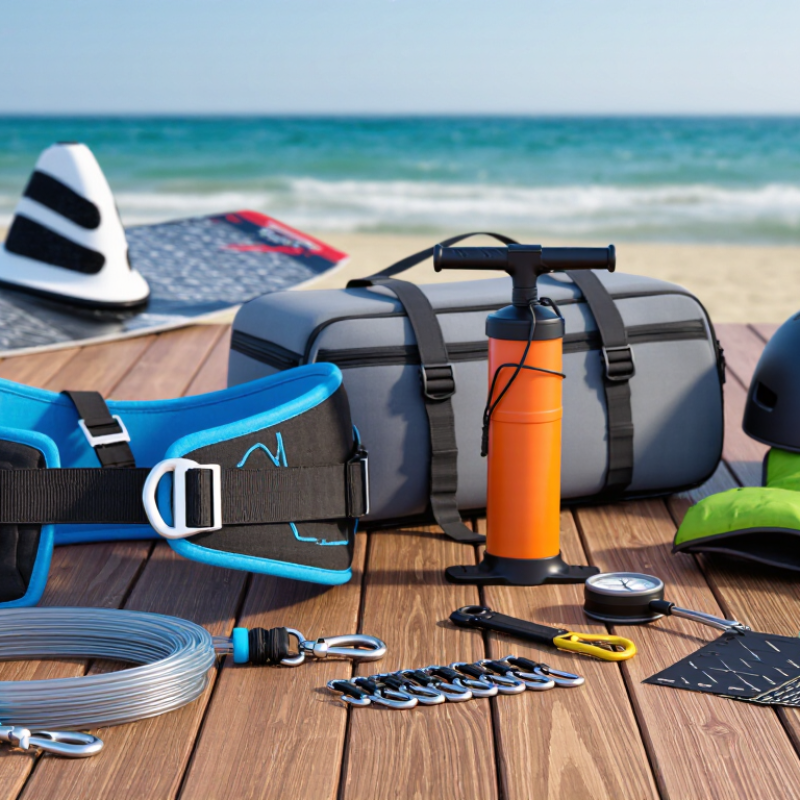
Core categories should solve practical problems. Protective equipment may include helmets, impact vests, and reliable harnesses. Maintenance products can cover pumps, valves, patch materials, and line-check tools. Travel accessories should offer durable bags, compact storage, and corrosion-resistant hardware. Test each item in realistic conditions. Saltwater exposes weak stitching quickly. Sand also damages moving parts.

My early buying plan focused too much on appearance. That was a mistake. Customers cared more about comfort, fit, instructions, and repair options. I now compare materials, load ratings, adjustment systems, and supplier documentation before ordering. Product claims should be traceable and easy for staff to explain. Avoid stocking every variation at once. A smaller, tested range is easier to manage. Still, customer preferences can surprise you. Review returns and feedback monthly, then adjust the selection carefully.

How to Choose Kitesurfing Accessories for Your Business - Identifying Customer Needs and Core Accessory Categories

Customer Segment Primary Customer Need Core Accessory Category Recommended Product Features Purchase Priority Typical Replacement Cycle Indicative Retail Price Range Business Planning Note
Beginners Safety, confidence, easy setup and basic protection Safety equipment and training aids Quick-release safety system, adjustable harness, impact vest, helmet and clear setup instructions Very High 1–3 years, depending on use and inspection results US$45–220 per item Create starter bundles and provide fitting guidance at the point of sale.
Frequent Recreational Riders Comfort, durability and reliable performance across sessions Harnesses and comfort accessories Ergonomic support, padded leg straps, corrosion-resistant hardware and adjustable fit Very High 2–4 years US$120–300 Stock multiple sizes because fit is a major driver of returns and customer satisfaction.
Freestyle and Freeride Riders Control, maneuverability and dependable load handling Control bars, lines and replacement components Low-stretch lines, intuitive safety release, swivel or untwist function and replaceable parts High 1–3 years; inspect lines and safety parts regularly US$180–650 Keep common line lengths, spare safety parts and repair services available.
Wave Riders Reduced drag, secure board handling and saltwater resistance Leashes, board protection and waterproof storage Strong swivel leash, compact board straps, drainage openings and corrosion-resistant fittings High 1–2 years for heavily used leashes; longer for bags US$35–180 Emphasize rinsing instructions and inspect leash attachment points before resale.
Foil Riders Equipment protection, precise setup and efficient transport Foil covers, mounting hardware and tool kits Padded covers, stainless fasteners, torque-compatible tools and organized compartments High 2–5 years, excluding consumable hardware US$40–260 Offer compatible hardware sets and clearly label dimensions and thread specifications.
Traveling Riders Compact packing, airline protection and equipment organization Travel bags and protective cases Padded construction, reinforced handles, ventilation, wheels and separate wet-gear compartments High 3–6 years US$90–320 Prioritize durable zippers, accurate dimensions and clear baggage-use guidance.
Cold-Water Riders Thermal protection, dexterity and extended session comfort Neoprene accessories Gloves, boots, hoods, sealed seams, flexible neoprene and secure wrist or ankle closures High 1–3 seasons, depending on UV, saltwater and frequency of use US$35–140 Increase stock before colder seasons and provide detailed sizing charts.
Schools and Rental Operations Safety consistency, fast turnover and easy maintenance Helmets, impact vests and maintenance supplies Adjustable sizing, high-visibility colors, washable materials, inspection tags and replaceable parts Very High 6–24 months for heavily used protective equipment US$35–180 per item Use standardized inspection checklists and maintain a larger spare-parts inventory.
All Customer Groups Equipment longevity and protection from saltwater and sand Maintenance and care products Freshwater rinse bags, drying solutions, repair patches, replacement valves and corrosion-care products Very High Consumables: every season or as needed US$10–90 Place low-cost care items near checkout to support repeat purchases and cross-selling.
Planning reference: Price ranges are indicative retail bands in US dollars and vary by material, construction, technical features, regional taxes and distribution costs.

Evaluating Quality, Safety, Compatibility, and Product Performance

How to Choose Kitesurfing Accessories for Your Business

Quality starts with evidence, not attractive packaging. The Outdoor Industry Association’s 2024 report recorded 175.8 million U.S. outdoor participants in 2023. However, that figure does not prove local kitesurfing demand. Review sales history, school feedback, and coastal weather patterns before ordering. Inspect stitching, webbing, zippers, and fasteners under saltwater exposure. Small failures become expensive returns.

Safety requires documented testing. ISO 21853:2020 specifies safety requirements and test methods for kitesurfing quick-release systems. For buoyancy equipment, check relevant ISO 12402 classifications and clear user instructions. Ask suppliers for test reports, batch traceability, and replacement guidance. Test it wet. Release mechanisms should operate with cold hands, gloves, and moderate line tension. A dry showroom test proves very little.

Compatibility affects both performance and customer trust. Confirm connector sizes, leash lengths, harness attachment points, valve types, and inflation pressures across the equipment you sell. Measure actual fittings instead of trusting catalog descriptions. For performance, compare UV resistance, abrasion cycles, corrosion results, and weight. Keep a simple field log after every trial. I once underestimated sand contamination during testing; the accessory worked well initially, then jammed. That mistake still matters. Product claims should match observed use, even when the results are less impressive.

Comparing Suppliers, Pricing Models, and Inventory Requirements

Choosing kitesurfing accessories for resale starts with supplier evidence, not attractive catalog photography. In my buying trials, stitching, valve compatibility, and saltwater packaging mattered more than a small unit discount. That lesson is expensive. Grand View Research’s 2024 sporting goods report projects a 5.6% market CAGR through 2030. Treat that figure as context, not a guaranteed kitesurfing forecast. Request material specifications, inspection records, sample units, and clear replacement procedures before signing volume agreements.

Compare landed cost, not wholesale price. Add freight, duties, inspection fees, payment charges, and a damaged-unit allowance. Tiered pricing can reduce costs at 100 units, yet trap cash in slow colors or unpopular sizes. Minimum order quantity is often the hidden penalty. Ask suppliers to quote 30, 60, and 100 units separately. Consignment may protect cash flow, but insurance, returns, ownership, and payment dates need written terms. Cheap is not always efficient.

Inventory should follow local sessions, not optimism. Review weekly sales, wind-season timing, and accessory failure rates. Keep fast-moving leashes, pumps, repair parts, and harness sizes available, while testing new products in smaller batches. NRF and Appriss reported a 14.5% retail return rate in 2023. Build inspection and reverse-logistics capacity into pricing. I would hold roughly 10% safety stock, although this may be wrong for highly seasonal locations. Weather can defeat a spreadsheet. Use supplier lead times and two reorder points, then review them monthly.

Building a Balanced and Profitable Kitesurfing Accessory Selection

How to Choose Kitesurfing Accessories for Your Business

A profitable kitesurfing selection needs balance, not endless variety. The Outdoor Industry Association reported 175.8 million American outdoor participants in 2023. This wider demand supports accessory sales, but customers still expect practical guidance. Stock essential items first: harnesses, leashes, pumps, repair kits, bags, and impact protection. Offer several price levels, but avoid filling shelves with slow-moving colours or duplicate sizes.

Margins matter. So does safety. The U.S. Bureau of Economic Analysis valued the outdoor recreation economy at 639.5 billion dollars in 2023, representing 2.3% of national GDP. That figure signals strong spending potential, not automatic profit. In retail planning, I have seen broad assortments trap cash in seasonal inventory. A smaller range with reliable replenishment often performs better. Track sell-through, return reasons, size gaps, and inventory age every month. Some assumptions will be wrong. Adjust quickly.

Tips: Build a core range around local wind conditions and customer ability levels. Keep replacement parts visible near checkout. Use simple comparison cards for durability, fit, and intended use. Review stock before peak season, not during it. Ask instructors which accessories fail most often. Their feedback can reveal problems sales data misses.

We use Cookies and Google Analytics. We store no personal details. Learn more about our privacy policy.