How to Choose the Best Lightwind Kiteboarding Gear?
Choosing the best gear for Lightwind kiteboarding begins with an honest look at local conditions. Wind forecasts can promise 10 knots, yet beaches often deliver unstable gusts and long lulls. Your equipment must respond to those details.
A large, efficient kite can create useful power in marginal wind. However, bigger is not always better. Oversized kites may feel slow, heavy, and difficult to relaunch. Board choice matters just as much. A wide twin-tip, large freeride board, or foil can reduce drag and help you stay moving. Your weight, riding level, water surface, and launch area must guide the decision.
Dimitri Maramenides, a respected kite designer and professional rider, expresses the core idea clearly: “Light wind rewards equipment choices more than aggressive riding.” This principle keeps the discussion practical. Skill still matters, but technique cannot fully overcome unsuitable gear.
I learned this through experience. I once used a powerful kite with a small board during a weak afternoon. The setup looked exciting, but it stalled repeatedly. That mistake changed how I evaluate gear.
There is no perfect lightwind package. Not every claim survives real beach conditions. Product tests may use steady wind, while your session may involve chop, current, or crowded launching areas. This guide compares kite design, board size, foil options, bar systems, and safety considerations. It also explains where manufacturers’ wind ranges may need cautious interpretation. The goal is simple: choose equipment that starts early, remains controllable, and fits your actual riding environment.
Key Factors in Lightwind Kiteboarding Gear Selection
Choosing lightwind kiteboarding gear starts with an honest wind assessment. Record local wind strength, gust range, and water conditions for several sessions. A larger kite can create useful power, but it also demands careful relaunch skills. I prefer stable, moderate-aspect designs for inconsistent coastal wind. They feel less nervous overhead. In very light air, every kilogram matters. Check the kite’s weight, bridle simplicity, and inflation system before buying. Ask an experienced instructor to inspect your planned setup. Online advice alone can miss important details.
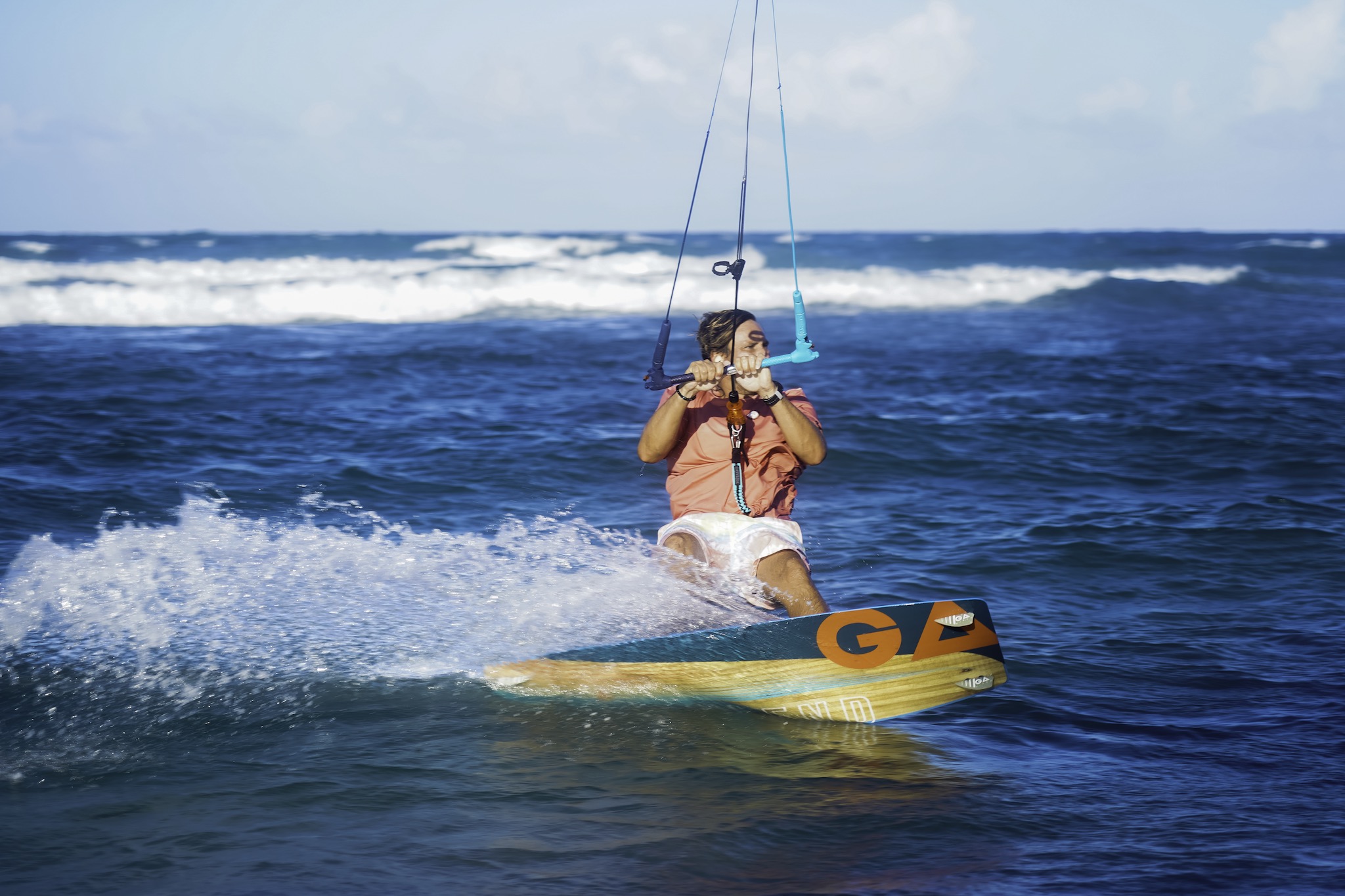
The board often makes the biggest difference. Look for extra width, adequate volume, and an efficient bottom shape. A longer board can start planing earlier and reduce frustrating sinking. However, excessive size may feel awkward during jumps or stronger gusts. I once chose the biggest board available and struggled to control it later. That choice was not perfect. Match the board to your weight, skill level, and usual wind range. Foot straps should hold securely without creating painful pressure points.
Your bar, lines, harness, and safety system also deserve close attention. Confirm that the lines have equal lengths and show no serious wear. Test the quick-release mechanism on land, following the manufacturer’s instructions. A reliable safety system matters more than a small performance gain. Use a wind meter instead of trusting visual guesses. Lightweight gear can extend your session, but it cannot replace judgment. When conditions become unstable, returning to shore remains the professional decision.
How to Choose the Best Lightwind Kiteboarding Gear?
Typical starting kite-area recommendations for riders using a large lightwind board in a steady 12–15 knot breeze.
Larger riders generally need more kite area to generate comparable power. Actual selection should also consider kite efficiency, board size, rider ability, gust range, water conditions, and local safety limits.
Choosing the Right Lightwind Kite Size and Design
Choosing the right lightwind kite size starts with rider weight, board volume, and local wind behavior. A larger kite can generate useful pull when the breeze feels soft. However, oversized equipment may become difficult when gusts arrive suddenly.
I usually compare the kite’s recommended wind range with measured conditions, not optimistic forecasts. A 12 to 17 square meter kite may suit lighter riders, but heavier riders often need more area. The exact choice depends on the board and riding style. A wide, high-volume board can plane earlier and reduce the need for an enormous kite. Do not guess.
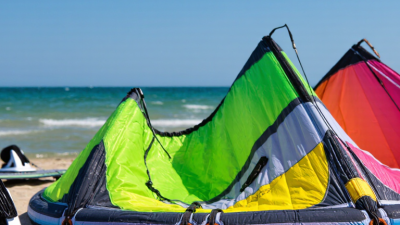
For lightwind riding, moderate aspect ratio designs often offer predictable steering and easier relaunching. Higher aspect ratio kites can produce stronger upwind performance, but they may feel slower during water starts. Look for a light frame, efficient canopy, and stable bridle support. Low bar pressure can help during long sessions, although too little feedback may make control confusing. Check the kite’s construction carefully, especially seams, valves, and leading-edge stiffness. I once chose by size alone and struggled because the kite turned too slowly for my board. That mistake still influences my gear checks. Leave room for imperfect forecasts and changing wind. A practical setup should remain manageable, not merely powerful.
Selecting Boards for Maximum Lightwind Performance
For lightwind kiteboarding, board choice often matters more than kite size. A larger, flatter twin-tip creates earlier lift and reduces sinking during lulls. For riders between 75 and 90 kilograms, a board around 145–160 centimeters long and 44–48 centimeters wide is a practical starting range. Wider tips help the board release smoothly. Excessive rocker does not.
The 2024 Outdoor Participation Trends Report recorded 175.8 million U.S. outdoor participants. That figure reflects a broad market, not lightwind specialists. Still, it shows why equipment must suit varied local conditions. Check several days of wind records before buying. NOAA buoy data can reveal whether your spot usually delivers steady 10–14-knot wind or short, unstable gusts. A very large board works well in steady wind. It feels awkward when chop rises.
Keep the board light, but do not chase minimum weight blindly. A stiff construction transfers power efficiently, while moderate flex feels calmer over small waves. I once used an oversized board that launched early but became tiring after an hour. That compromise was easy to underestimate. Choose a concave bottom for tracking and low drag. Select smaller fins only when the board already releases cleanly. Test the board with your normal kite, harness, and water depth. Lab specifications help, but your feet notice the truth.
Matching Bars, Lines, Foils, and Safety Equipment
Choosing lightwind gear starts with matching the bar, lines, foil, and safety system. A four-line bar should fit the kite’s recommended line length, usually 18–24 metres. Longer lines create a wider power window, but they also increase reaction time. Check the quick-release under load, not only on a dry beach. ISO 21853:2020 requires release systems to function consistently under realistic load conditions. That detail matters when a gust arrives unexpectedly.
A lightwind foil needs efficient lift and controlled drag. A larger front wing can help a heavier rider start earlier, but excessive surface area may feel unstable during touchdowns. Keep the mast stiff and inspect the fuselage connection for movement.
The Outdoor Foundation’s 2024 report recorded 175.8 million U.S. outdoor participants in 2023, showing how many users may encounter varied, crowded conditions.
More participation demands clearer equipment checks, not just stronger equipment.
Safety gear should include a certified helmet, impact vest, cutting tool, and a leash suited to the setup. The U.S. Coast Guard recorded 3,844 recreational boating accidents and 564 deaths in 2023. Kiteboarding is different, but the warning is relevant: flotation and separation systems deserve serious attention.
I once preferred longer lines for extra power. That choice made gust control harder than expected.
Now I inspect worn pigtails, twisted lines, and release access before every session. Still, gear selection remains imperfect; rider weight, water temperature, and launch space can change the safest setup.
Evaluating Gear Quality, Compatibility, and Riding Conditions
Choosing lightwind kiteboarding gear starts with compatibility, not visual appeal. A larger kite can generate useful power in gentle wind, but only when its design matches your board, weight, and riding style. I check the kite’s recommended wind range, bar compatibility, and line length before buying. A wide, low-resistance board usually gets moving earlier than a narrow freeride board. Small details matter.
Riding conditions can change within minutes. The Global Wind Atlas, developed through the World Bank and DTU, offers wind information at 250-meter resolution, but local readings still deserve more trust. I compare forecast data with an anemometer near the launch. Offshore wind, gusts, and shifting thermal patterns can make a calm-looking beach unsuitable. It is easy to overestimate averages. Gust spread matters more.
Gear quality should be judged through materials, stitching, valves, and tested safety systems. The Outdoor Industry Association’s 2024 Participation Trends Report recorded 175.8 million U.S. outdoor participants in 2023, showing strong demand for dependable equipment. However, participation numbers do not prove product durability. Ask about inspection records, repair support, and independent testing. A slightly heavier board may feel slower, yet its reinforced edges can tolerate sandy landings better. I still reconsider my choices after every session. Perfect gear does not exist.