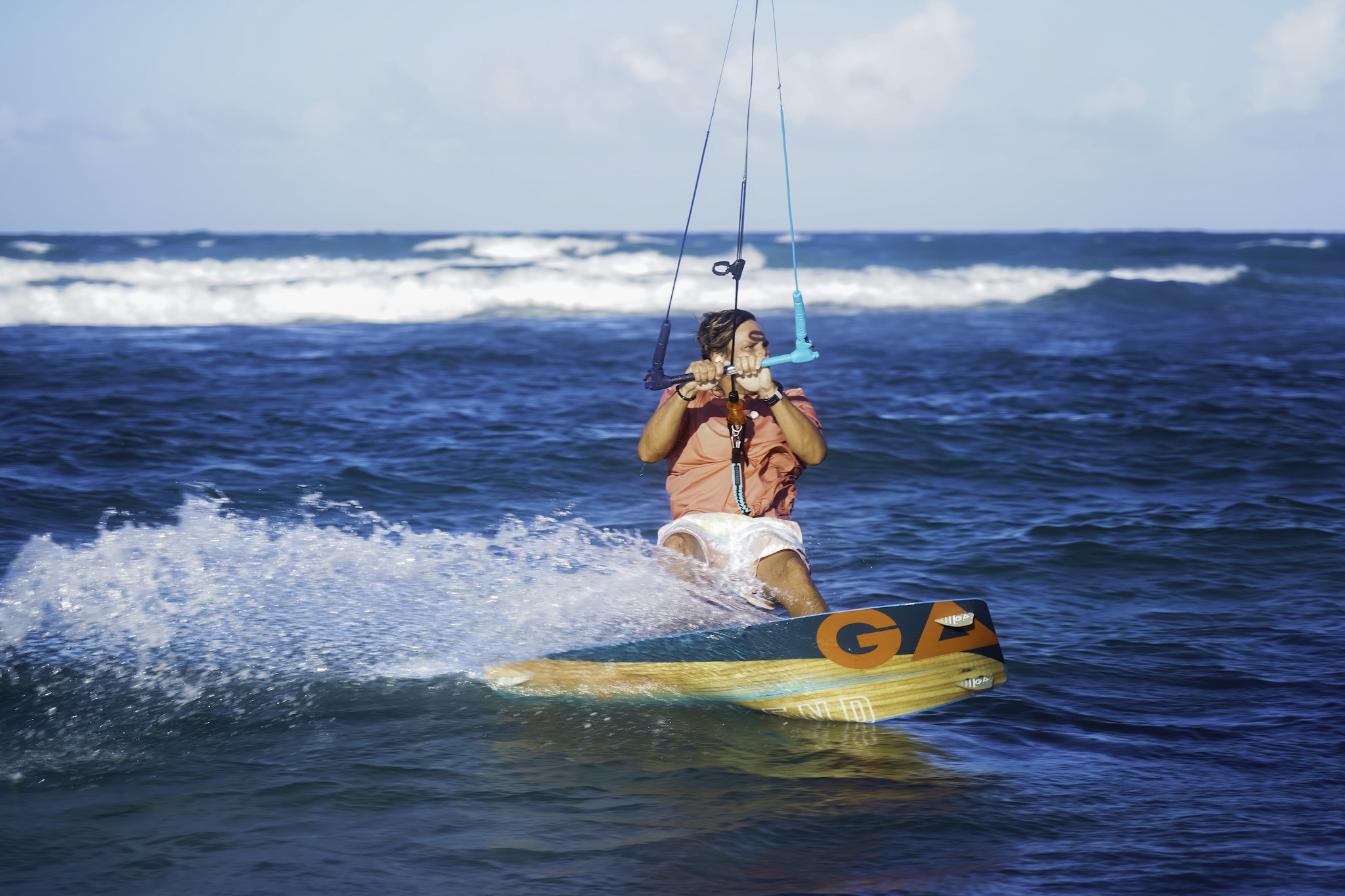
What Are the Top Kitesurfing Disciplines in China?

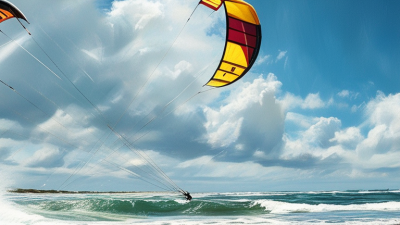
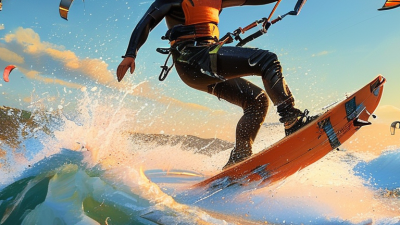
China’s coastline offers more than one way to ride a kite. From Hainan’s warm, shallow lagoons to Fujian’s windier beaches, local conditions shape the country’s Kitesurfing disciplines. Freeride usually attracts beginners, with steady board control and practical upwind training. Freestyle demands stronger wind judgment, explosive edging, and repeated aerial tricks. Wave riding adds surf timing, while hydrofoil riding rewards balance in lighter winds.

Professional competition provides a useful framework for understanding these differences. The Global Kitesports Association’s published tour calendars and results separate major formats, including Freestyle, Big Air, Wave, and Kite-Surf disciplines. Its rankings show how judging changes between technical tricks, height, style, and wave performance. China’s event notices from the China Sailing and Windsurfing Association also help identify how domestic competitions are organized. However, public Chinese participation data remain limited. That gap deserves attention.

International Kiteboarding Organization training guidance places emphasis on launch procedures, weather awareness, rescue skills, and equipment checks. These standards matter on crowded beaches near popular Chinese resorts. A beginner may notice the difference immediately: a soft lagoon suits controlled body dragging, while offshore gusts can punish poor decisions. Big Air looks dramatic, but it requires advanced kite control and safe landing space. Foiling seems quieter, yet its long mast demands careful water entry and separation from other riders.

This guide compares China’s leading Kitesurfing disciplines through conditions, equipment, skills, and competition value. It will not pretend that one discipline suits every coastline. Local wind records, seasonal access, and instructor quality can change the answer. That is the practical complication.
What Are the Top Kitesurfing Disciplines in China?

What Kitesurfing Disciplines Are Practiced in China?

China’s kitesurfing scene includes freeride, freestyle, big air, wave riding, foil racing, and downwind riding. Freeride is the most accessible discipline, especially for beginners on open coastal beaches and large inland lakes. Riders usually practice controlled turns, steady jumps, and safe upwind sailing.

The Global Kitesports Association’s 2024 competition data separates freestyle, wave, big air, and kite-surf formats. These categories reflect different skills, not just different equipment. Freestyle needs flat water and reliable wind for rotations. Big air depends on stronger, consistent gusts and careful landing technique. Wave riding suits exposed coastlines, while foil racing rewards speed and precise wind reading. China’s long coastline supports wave and freeride sessions, but local conditions vary sharply. Some northern beaches have colder seasons. Southern locations may offer longer riding periods. The categories overlap. A rider can train freeride in the morning and practice foil technique later.

Tips:

Check the local wind record before travelling. The China Meteorological Administration advises using official forecasts with site observations, because coastal gusts can change quickly. Start with supervised freeride lessons, then progress gradually. I still think big-air progression is often rushed. Strong legs cannot replace judgment, spacing, or rescue planning. Use a helmet, impact protection, and a reliable communication method. Avoid crowded launch areas, even when the water looks calm.

How Does Freeride Kitesurfing Work in Chinese Waters?

Freeride is the most accessible kitesurfing discipline in Chinese waters. It focuses on smooth riding, controlled turns, small jumps, and exploring the shoreline. Riders usually choose moderate wind, open water, and manageable waves rather than extreme tricks. In Hainan, winter trade winds can create warm sessions with bright sand underfoot. Shandong and Fujian often feel sharper, with cooler water and stronger tidal movement.

Conditions change quickly.

The 2024 China Outdoor Sports Industry Development Report cites a national goal of building a RMB 3 trillion outdoor-sports industry by 2025. That growth may increase interest in coastal activities, including kitesurfing. A 2024 Grand View Research market analysis also forecasts continued global growth in kitesurfing equipment demand, at roughly 6% annually through the decade. These figures show momentum, not guaranteed safety. Local riders still need wind observations, tide checks, and supervised launches. The Global Kitesports Association’s safety guidance emphasizes equipment inspection, distance from swimmers, and emergency planning. I would add one practical lesson from regular sessions: never trust a clean-looking beach. A falling tide can expose rocks, while offshore wind can carry a rider away from shore. My judgment is not perfect, either. I once underestimated changing gusts and shortened the session early. That decision felt disappointing, but it was correct. Freeride works best when riders leave room for mistakes, fatigue, and sudden weather shifts.

What Are the Top Kitesurfing Disciplines in China? - How Does Freeride Kitesurfing Work in Chinese Waters?
Discipline Core Objective Typical Chinese Water Environment Wind and Water Requirements Typical Equipment Setup Skill Profile Suitable Chinese Locations
Freeride Enjoy controlled riding, cruising, carving, small jumps, transitions, and basic tricks without focusing on competition. Most suitable for open beaches, shallow lagoons, and broad coastal areas with relatively clear wind patterns. Usually works best with steady side-shore or side-onshore wind. Flat water is easier for beginners, while moderate chop is manageable for experienced riders. Medium-sized inflatable kite, twin-tip board, harness, helmet, impact vest, and a safety release system. Board and kite size depend on rider weight and wind strength. Beginner to advanced. Riders should be able to launch and land safely, control the kite, body-drag upwind, relaunch the kite, and perform a reliable self-rescue. Hainan, parts of Guangdong, Fujian, Shandong, and other approved coastal riding areas with suitable wind and local access.
Freestyle Perform powered jumps, rotations, handle passes, and technical tricks, often using strong pop from the board. Flat or lightly choppy water is preferred because it provides a more predictable takeoff and landing surface. Requires consistent wind, sufficient kite power, and a clear area free from swimmers, boats, rocks, and hard obstacles. Smaller performance-oriented kite, stiff twin-tip board, shorter fins, and protective equipment suitable for repeated impact. Advanced. Riders need precise kite control, strong edging technique, safe jump timing, and practiced emergency procedures. Selected flat-water coastal sites in southern and eastern China when local conditions and access rules permit.
Wave Riding Use a kite to connect with ocean waves while combining powered turns, down-the-line riding, and controlled wave positioning. Exposed beaches and reef or point-break environments with suitable swell. Conditions can change quickly because of tides and weather systems. Side-shore or side-onshore wind is generally preferred. Strong offshore wind can create serious rescue risks and is unsuitable for many riders. Directional surfboard or compact wave board, smaller or drift-friendly kite, harness, helmet, and impact vest. Advanced. Riders must understand surf etiquette, currents, shorebreaks, reefs, changing wind direction, and self-rescue. Selected surf beaches in Hainan and other exposed southern or southeastern coastal areas, subject to local restrictions.
Hydrofoil Ride above the water on a submerged foil, allowing efficient movement in lighter wind and reduced surface drag. Best in deeper water with a clear launch and riding zone. Shallow areas, rocks, reefs, and crowded beaches increase foil-related risks. Can operate in lighter wind than many twin-tip disciplines, but requires smooth wind and careful control during takeoff and touchdown. Foil board, mast, front and rear wings, control bar, and a kite selected for efficient low-wind handling. A helmet and impact vest are strongly recommended. Intermediate to advanced. Riders should already have reliable upwind ability and strong kite control before learning foil starts. Wide, uncrowded coastal waters and deeper lagoons where foiling is permitted and water depth is adequate.
Course Racing Complete a marked course as efficiently as possible, emphasizing upwind and downwind speed, tactics, and maneuvering. Open water with adequate space for multiple riders and clearly defined start, turning, and finish areas. Needs stable wind, accurate race management, and sufficient room for long upwind and downwind legs. Race-oriented foil or twin-tip equipment, performance kite, harness, helmet, and event-specific safety gear. Advanced to competitive. Riders need excellent rules awareness, starting technique, tactical positioning, and high-speed control. Organized coastal events and training waters where race activity has been approved by the relevant authorities.
Big Air Generate maximum height, hang time, and controlled aerial maneuvers while maintaining a safe landing. Open water with generous downwind space, reliable wind, and minimal hazards. Crowded beaches are unsuitable. Requires stronger, consistent wind and clean takeoff conditions. Gusty wind substantially increases risk. High-depower kite, twin-tip board with strong edge control, helmet, impact vest, and a dependable quick-release system. Advanced. Riders must master powered jumps, controlled landings, emergency releases, and accurate assessment of gusts and obstacles. Only suitable at spacious, approved locations with stable wind and appropriate emergency support.

How freeride kitesurfing works in Chinese waters: The rider steers the kite through a control bar while the kite produces traction from the wind. The board converts this pull into forward movement, and edging against the water allows the rider to travel upwind. Freeride sessions commonly include cruising, carving, water starts, controlled transitions, small jumps, and basic board skills. In China, riders should check local beach-access rules, seasonal restrictions, maritime traffic, swimming zones, weather warnings, tide changes, and the availability of rescue support before entering the water. Conditions and permitted areas vary by coastline, so local authorization and site-specific safety guidance take priority.

What Makes Freestyle Kitesurfing Popular in China?

What Are the Top Kitesurfing Disciplines in China?

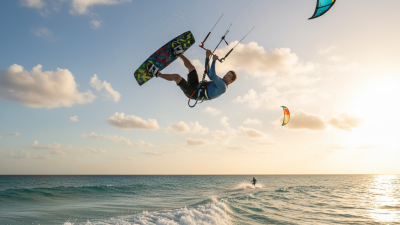
Freestyle kitesurfing has become increasingly popular along China’s windy coastlines. Riders combine jumps, spins, and controlled board movements above the water. The discipline offers visible progress, which keeps beginners motivated. A first clean jump can feel unforgettable.

In places such as Hainan and Pingtan, suitable wind conditions attract riders during seasonal holidays. Flat water helps learners practice balance before attempting advanced tricks. Local instructors often break each movement into smaller steps. They check kite control, landing posture, and distance from other riders. This structured approach makes difficult skills feel less intimidating. It also supports safer training habits.

Freestyle creates a strong social atmosphere around launch areas. Riders share setup advice, weather observations, and honest feedback after each session. Short videos help athletes study body position and timing. However, online clips can make progress look easier than it is. Many riders need months to land one consistent trick. Some rush because they compare themselves with experienced athletes. That mistake can cause poor control and unnecessary falls. Good coaching remains important, especially when wind changes quickly. Protective equipment, clear riding zones, and careful weather checks should never become optional. The sport is exciting, but it rewards patience more than bravado. Even experienced riders continue refining basic kite control.

What Are the Top Kitesurfing Disciplines in China?

Freestyle, freeride, foil racing, wave riding, and big air are the main discipline pathways available to Chinese riders. Freestyle is especially visible because it uses judged heats, rewards aerial tricks, and offers clear progression from basic jumps to advanced rotations and grabs.

The chart shows objective competition-format features rather than market-share estimates. Formula Kite is the Olympic kiteboarding racing format, while freestyle, wave riding, and big air are judged by performance and maneuver quality.

How Is Wave Riding Adapted to China’s Coastal Conditions?

Wave riding is one of China’s most demanding kitesurfing disciplines. It depends on more than strong wind. Riders need a workable swell, safe launch space, and predictable wind direction. China’s mainland coastline stretches roughly 18,000 kilometers, according to China’s Ministry of Natural Resources. Conditions therefore change sharply between northern, eastern, and southern beaches.

China’s coastal waves are often smaller and less consistent than those in major ocean-swell destinations. The China Meteorological Administration’s China Climate Change Blue Book 2024 reports continuing changes in sea levels and coastal weather patterns. These trends make local forecasting essential. Riders should compare tide tables, buoy observations, and short-range wind models before choosing a session. A side-onshore wind can support controlled turns. An offshore wind can create cleaner faces but makes mistakes more serious.

Wave riding in China is usually adapted through equipment and timing. Many riders select shorter boards for weaker waves and keep kite sizes flexible. Low tide may expose reef hazards, while high tide can soften beach breaks. Helmets and impact vests are practical choices, not fashion details. The International Kiteboarding Organization stresses site assessment, self-rescue ability, and separation from obstacles in its instructor guidance.

The adaptation is not perfect. A windy beach is not automatically a wave-riding spot. Local knowledge still beats a beautiful forecast screen. Check access rules and changing shoreline conditions before launching.

Where Do Racing and Foiling Fit into Chinese Kitesurfing?

China’s kitesurfing scene includes freeride, freestyle, wave riding, racing, and foiling. Racing and foiling deserve special attention. Racing uses marked courses, tactical starts, and fast upwind legs. It rewards timing, stamina, and careful reading of wind shifts. Coastal locations can offer stronger wind, but conditions may change near beaches, ports, or islands. Inland lakes sometimes provide smoother water, although wind can become unpredictable.

Foiling fits between racing and freeride, but it feels completely different. A hydrofoil lifts the board above the surface, reducing drag and making lighter winds usable. Riders can travel quietly across flat water, then lose balance quickly when the foil touches down. In China, foiling may suit open coastal areas and selected lakes with enough depth. Local instruction matters because submerged obstacles are difficult to see. Racing on a foil also demands precise speed control, not just courage. That lesson is easy to underestimate.

Tips: Check wind forecasts, water depth, and local access rules before launching. Practice controlled stops before chasing speed. Keep generous distance from swimmers, boats, and shore structures. A helmet and impact vest add useful protection. Do not copy a professional racing line immediately. Conditions differ. Even experienced riders sometimes choose the wrong kite size, then spend the session correcting that mistake.

We use Cookies and Google Analytics. We store no personal details. Learn more about our privacy policy.