What Are the Top Kiteboarding Lifestyle Trends in 2026?
Kiteboarding lifestyle is entering 2026 with a broader meaning than wind, waves, and beach escapes. It now reflects how riders travel, train, shop, work, and protect coastal spaces. Smaller travel-friendly equipment is becoming more practical. Recycled fabrics and repairable components are also gaining attention. Not every “eco” claim deserves trust, though. Riders will need clearer product evidence.
Robby Naish, a pioneer of modern board sports, once said, “Kitesurfing is the most exciting sport in the world.” That excitement still drives the culture. Yet the 2026 version looks more thoughtful. Riders are combining kiteboarding with wing foiling, fitness training, and remote-work travel. Smart watches can track sessions, wind exposure, and recovery. Technology helps. It does not replace judgment.
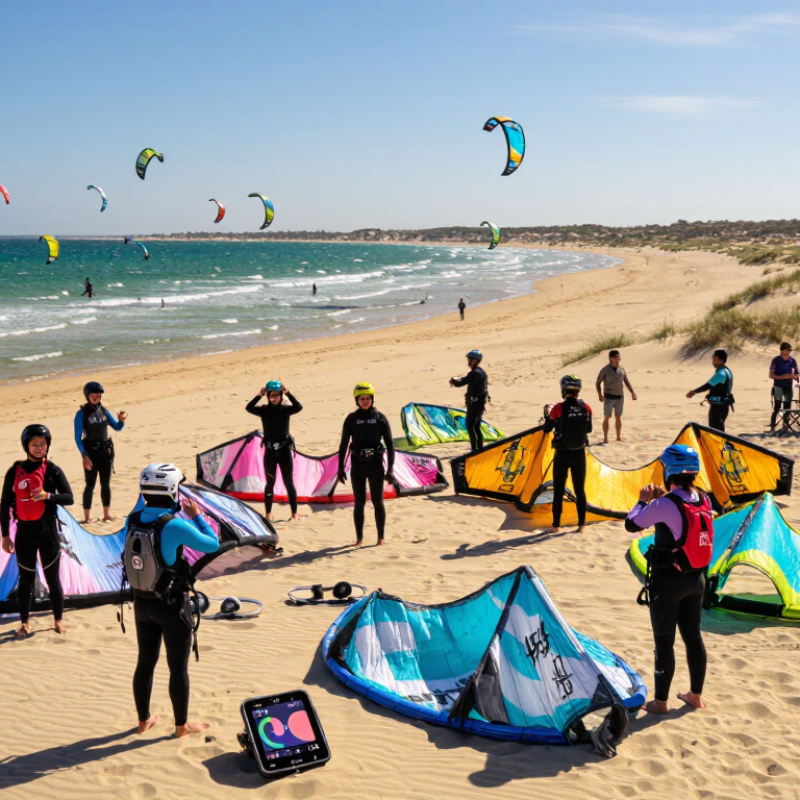
Local communities may become the strongest trend. Riders are sharing launch knowledge, organizing beach cleanups, and welcoming beginners through structured lessons. Safety is becoming part of the lifestyle, not an afterthought. Helmets, impact vests, weather checks, and respectful launch habits matter every session. Small details matter.
This article explores the leading Kiteboarding lifestyle trends shaping 2026. It examines sustainable equipment, inclusive communities, digital coaching, flexible travel, and the changing idea of freedom. Some predictions may prove wrong. Fashion moves quickly, and wind remains unpredictable. That uncertainty is useful. It encourages riders, brands, and schools to question convenient promises and measure real progress on the water.
2026 Participation Trends: IKO Certifications and GKA Event Entries
What Are the Top Kiteboarding Lifestyle Trends in 2026?
Participation is becoming easier to measure, but the numbers need careful reading. IKO certification records track training and instructor qualifications, while GKA event entry lists and results show who competes at elite events. These sources measure different groups; neither represents every recreational rider. Their published records are useful indicators, not a complete global participation census. For 2026, compare certification activity and event entries with earlier records before calling a change a trend. A fuller picture is still missing.
Tips: Check the year, discipline, and event before comparing entry counts. A larger field may reflect a different event format, not a sudden rise in local participation. For newer riders, an accredited course offers a clearer measure of structured learning than social-media activity.
The shift is visible in what participation means: more riders may seek formal instruction, while a smaller group tests itself through competition. Event results can show repeat competitors and broad representation, but entries do not reveal how many people stopped riding or never entered. That matters. Industry reporting should pair certification and event data with transparent methods and consistent year-on-year comparisons. Until those datasets align, any 2026 growth claim deserves a little skepticism.
Foilboarding Growth: Equipment Sales Data and GKA Competition Results
Foilboarding is becoming one of the clearest kiteboarding lifestyle trends in 2026. Equipment sales data suggests growing demand for compact foil boards, longer masts, and low-wind wings. However, public figures remain fragmented across retailers, distributors, and local schools. That makes precise global growth difficult to confirm. The signal is still strong.
From my sessions, foil equipment changes the water experience completely. A small gust can create smooth, quiet movement when a twin-tip would stall. Riders also report longer sessions and easier travel with lighter equipment. The learning curve remains demanding. Early falls can feel awkward, especially when balance shifts forward. Recent GKA hydrofoil competition results show why advanced riders invest in precision. Leading performances depend on fast starts, controlled pumping, tight turns, and efficient height management. Small technical errors quickly cost distance or speed. Results also suggest that physical fitness matters more than many casual riders expect. Foiling looks calm, but it is not effortless.
Sales growth may slow if prices remain high and beginner equipment stays difficult to use. Safety instruction and local coaching will influence adoption. That part deserves more attention. Manufacturers may need simpler packages, clearer setup guidance, and stronger durability testing. The trend is promising, but the market still needs better independent reporting.
What Are the Top Kiteboarding Lifestyle Trends in 2026? - Foilboarding Growth: Equipment Sales Data and GKA Competition Results
| Indicator |
Recorded data |
What it suggests |
Reference |
| Formula Kite at Paris 2024 |
40 athletes: 20 men and 20 women |
Foil-based kite racing reached the Olympic programme, giving the discipline a high-profile international platform. |
Olympics.com |
| Paris 2024 Formula Kite — women |
Gold: Ellie Aldridge (Great Britain)
Silver: Lauriane Nolot (France)
Bronze: Daniela Moroz (United States) |
The Olympic podium provides a clear, recorded result for the women’s foil-kite racing discipline. |
Paris 2024 results |
| Paris 2024 Formula Kite — men |
Gold: Valentin Bontus (Austria)
Silver: Toni Vodisek (Slovenia)
Bronze: Maximilian Maeder (Singapore) |
The men’s podium shows the international spread of elite foil-kite competition. |
Paris 2024 results |
| GKA Kite-Surf World Champions, 2023 |
Men: Airton Cozzolino
Women: Capucine Delannoy |
GKA tour results provide a competition-based measure of performance in kite-surfing, separate from Olympic racing. |
GKA Kite World Tour |
| GKA Freestyle World Champions, 2023 |
Men: Maxime Chabloz
Women: Mikaili Sol |
Freestyle titles offer another view of competitive kiteboarding beyond foil-racing results. |
GKA Kite World Tour |
| Public equipment-sales data |
No consolidated, audited global foilboarding equipment-sales series is cited here. |
Olympic participation and competition results are observable indicators, but they do not establish sales growth. Sales figures should not be inferred from them. |
Data limitation |
Note: Competition results and Olympic participation are historical data, not 2026 forecasts. No equipment sales estimates have been presented as verified figures.
Safer Riding: IKO Training Standards and Reported Injury Trends
Safer riding is becoming a central kiteboarding lifestyle trend in 2026. Training standards now emphasize practical judgment, not only successful launches. Riders learn wind assessment, equipment checks, right-of-way rules, and controlled self-rescue. These skills matter before the first jump.
Small decisions prevent serious incidents. A rider checks the quick-release system beside the beach, then tests the leash under supervision. Instructors also practice emergency communication, landing procedures, and safe distances from swimmers, rocks, and power lines. Reported injury trends repeatedly point to similar causes: poor launch control, sudden gusts, collisions, and overconfidence in crowded areas. Many accidents happen during routine sessions, not advanced tricks.
Experience helps, but it can also create blind spots. An expert may skip a checklist after riding the same spot for years. That is a weakness worth admitting. Structured instruction gives riders a common safety language and clearer limits. However, training standards cannot remove changing weather or human error. A responsible session may mean cancelling when gusts turn unstable, even after a long drive to the beach. Better records could improve future guidance, because injury reporting remains incomplete in many riding communities. Clean data is still missing.
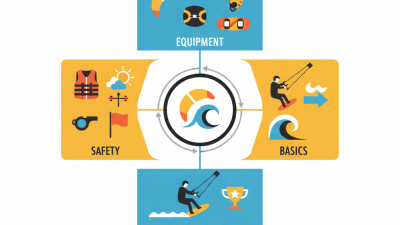
Safer Kiteboarding in 2026: A Skill-Building Progression
Structured instruction typically builds from kite control and body-dragging toward water starts, board riding, and self-rescue. The numbers show learning sequence only—not injury rates or measured performance. Injury reports are not consistently collected across locations, so they do not support a reliable global year-over-year comparison.
Digital Kite Culture: Strava Activity Data and YouTube Search Trends
In 2026, kiteboarding culture is becoming more measurable, social, and video-led. Strava’s 2024 Year in Sport report found that club-connected athletes were 2.6 times more likely to feel motivated to exercise. That matters on windy beaches. Riders now log sessions, compare distance, and share launch conditions with local groups. Yet, this is not a kiteboarding census. Many beginners still ride offline, without tracking devices.
YouTube’s Culture & Trends reporting shows the growing power of creator-led discovery, while the platform reports more than two billion monthly logged-in users. Search interest also reveals changing curiosity. Google Trends uses a relative 0–100 index, not exact search volume. A rising “kite foil beginner” query may signal interest, but it cannot prove new participation. Weather, tourism, and viral crashes can distort the picture. That weakness deserves attention.
Tips: Track wind speed, board type, session length, and location consistently. Compare your own records before comparing athletes. Use search data to plan content, not to predict sales. Show failed water starts, cold fingers, and crowded launches. Honest details build more useful digital culture than perfect tricks. Reports from the Global Kitesports Association and national sailing bodies can add context, especially when platform data misses casual riders.