Top 10 Menstrual Cup Brands for Global Buyers?
Choosing among the Top 10 Menstrual Cup Brands requires more than comparing colors, prices, or attractive packaging. Global buyers need reliable information about medical-grade materials, cup firmness, capacity, comfort, and available size guidance. A well-designed cup should feel secure during daily movement, travel, work, or overnight use. However, no single model suits every body.
This guide examines Menstrual Cup Brands through practical and evidence-informed criteria. It considers product transparency, manufacturing standards, user education, customer support, and international availability. Clear instructions matter. So does honest labeling. Buyers should check whether a brand explains silicone composition, cleaning requirements, storage, and replacement guidance. Independent reviews can reveal useful details, such as difficult stems, strong opening pressure, or leakage during heavy flow.
Some comparisons remain imperfect. Marketing language is not proof of superior performance. User experiences also differ because anatomy, activity level, and menstrual patterns vary. A cup praised by one reviewer may feel uncomfortable to another. That uncertainty deserves attention. Product testing, responsible sourcing, and consistent quality control can still separate dependable suppliers from weaker options. This overview offers a practical starting point for distributors, retailers, and informed individual buyers. It does not replace professional medical advice. When pain, persistent irritation, or unusual symptoms occur, consultation with a qualified healthcare professional is the safer decision.
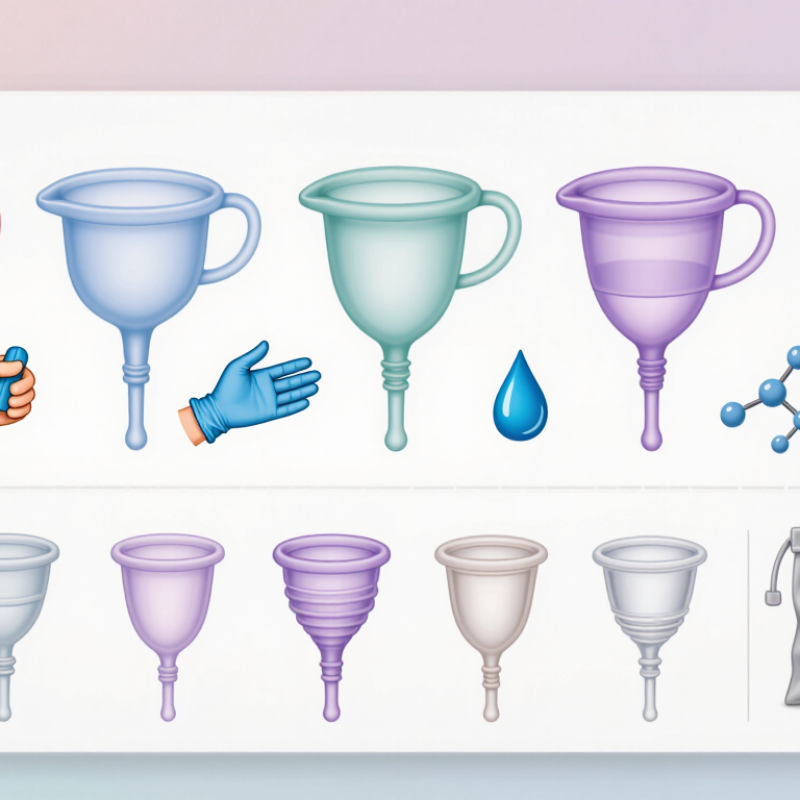
What Is a Menstrual Cup and How Does It Work?
A menstrual cup is a flexible, bell-shaped device placed inside the vagina during menstruation. It usually uses medical-grade silicone, thermoplastic elastomer, or latex rubber. Unlike a tampon, it collects menstrual fluid instead of absorbing it. It collects, not absorbs. After folding, the user inserts the cup, where it opens and forms a gentle seal against the vaginal walls. This seal helps reduce leakage, while small air holes support release and removal. The stem helps locate the cup, but it should not be pulled forcefully.
A 2019 review in The Lancet Public Health examined 43 studies involving 3,319 participants. It found menstrual cups provided similar leakage protection to disposable products in several studies. However, evidence quality varied, and product fit remained important. The cup may be worn for several hours, often up to 8–12 hours, depending on menstrual flow and the product’s instructions. Heavy-flow users may need more frequent emptying. Fit matters. A cup that feels painful, creates pressure, or repeatedly leaks needs reassessment.
For global buyers, material safety, size guidance, cleaning instructions, and independent testing deserve close attention. The World Health Organization and UNICEF’s Joint Monitoring Programme reports continuing gaps in menstrual health information and facilities worldwide. A reusable cup can reduce repeated product purchases, but it still needs clean water, private washing, and safe storage. The learning period may include spills, awkward removal, or incorrect positioning. That reality is often underexplained. Users should wash their hands, clean the cup as directed, and stop using it if severe pain or unusual symptoms occur.
Important: Menstrual cups are not suitable for everyone. Users should follow the product instructions and seek medical advice if they experience persistent pain, unusual discharge, fever, rash or other concerning symptoms.
Top 10 Menstrual Cup Brands and Their Key Features
For global buyers, a top-ten comparison should prioritize features, not glossy claims. Grand View Research estimates the global menstrual cup market reached USD 1.89 billion in 2023. The report projects a 5.3% compound annual growth rate from 2024 to 2030. The 2019 Lancet Public Health review examined 43 studies and 3,319 participants. It found menstrual cups generally matched or improved leakage outcomes, although study quality varied. That caveat matters.
Across leading products, useful differences include silicone softness, cup firmness, capacity, rim design, and stem length. Medical-grade silicone is common, but buyers should verify material disclosures and batch traceability. A 20–25 mL cup may suit lighter flow, while 30–40 mL designs offer more time between changes. Actual fit can overturn the chart.
The strongest options typically provide two or three sizes, illustrated insertion guidance, and ventilation holes that clean easily. Some use a rounded stem; others use a ring or short stem for easier removal. Firm cups often open quickly, while softer cups may feel gentler but leak with weak positioning. This is not a universal rule. For sensitive users, fragrance-free construction and smooth seams deserve attention. Clear boiling or washing instructions matter more than decorative packaging. The Lancet review also noted limited evidence on long-term use, so confident marketing should not replace clinical advice. Independent testing, customer support, and transparent return policies strengthen trust. One overlooked detail is regional sizing guidance; anatomy varies more than age charts suggest.
Top 10 Menstrual Cup Brands for Global Buyers: Key Features
This comparison highlights the main product features global buyers typically evaluate. Reusable design, medical-grade materials, multiple sizes, measurement markings, and long-wear guidance are common selection criteria, while certification, packaging, and accessibility can vary by market.
Scores represent the relative importance of each feature in a practical international buyer checklist, rated from 1 to 10.
How Cup Materials, Sizes, and Designs Differ by Brand
Choosing among the top ten menstrual cup options requires more than comparing prices. Material affects comfort, flexibility, and cleaning. Medical-grade silicone is widely used because it feels smooth and tolerates repeated washing. Thermoplastic elastomer can feel softer, but heat resistance varies by product. Natural rubber may suit some users, although latex sensitivity deserves careful attention.
Size is not simply linked to flow volume. A shorter cup may fit better with a lower cervix, while a longer model can help users with a higher cervix. Diameter matters too. A narrow cup may feel less noticeable, but it can provide less capacity. Firmness also changes the experience. Softer cups often suit sensitive users, while firmer cups may open more easily during movement. Not always comfortable.
Design details can decide whether a cup works well. A rounded rim may create a dependable seal, while air holes support easier release. A textured base can improve grip, especially with wet hands. Stem length should allow removal without causing pressure. Some stems are hollow, which may require extra attention during cleaning. Product instructions should explain boiling time, storage, and replacement guidance clearly.
For global buyers, compare measurements in millimeters rather than relying on labels like “small” or “large.” Check the material disclosure, care instructions, and manufacturer testing information. Personal anatomy differs greatly, so online reviews can guide expectations but cannot guarantee fit. A cup that works perfectly for one person may leak or feel bulky for another. Careful trial and honest reassessment matter.