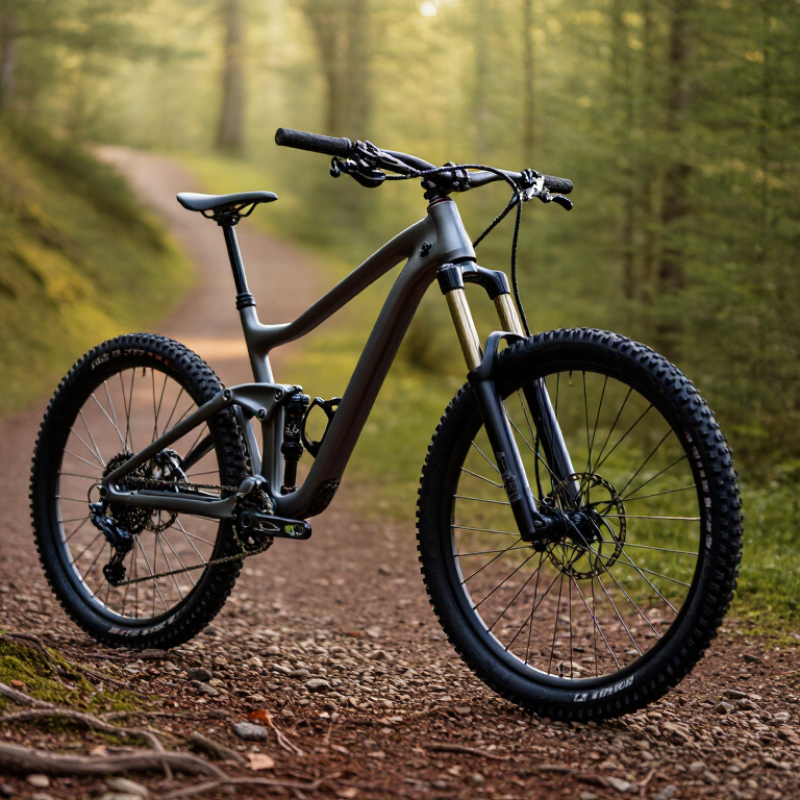
A Mountain Bike is built for uneven ground, loose soil, and changing elevation. Its wide tires grip roots, gravel, and damp forest paths. A suspension fork absorbs sharp impacts, while strong disc brakes improve control on steep descents. Yet these features do not make every bike suitable for every rider. A lightweight cross-country model feels quick on climbs, but it may feel harsh on rocky trails. A trail bike offers more stability, though its extra travel can reduce efficiency on smooth roads.
Choosing the right bike begins with your actual riding plans. Think about local trails, weekly distance, body position, and transport needs. Wheel size, frame material, suspension travel, drivetrain range, and brake design all affect handling. Fit matters just as much. Your knees should remain slightly bent, and your reach should not force your shoulders forward. A short test ride can reveal problems that specifications hide.
Small details matter.
Experienced riders often recommend testing several frames before buying. That advice is practical, but it is not absolute. Personal flexibility, confidence, and trail preference can change the decision. Beginners may also overvalue advanced components before developing basic handling skills. A reliable entry-level bike, adjusted correctly, can be more useful than an expensive model with poor fit. This guide explains the main Mountain Bike categories, essential features, and common buying mistakes, while recognizing that no single design works perfectly for everyone.
What Is a Mountain Bike and How to Choose One?
A mountain bike is built for uneven ground, not smooth commuting. Its core characteristics include wide, knobby tires, a strong frame, powerful brakes, and stable steering. These features help riders manage loose soil, roots, rocks, and sudden drops. Most models use suspension, either at the front or at both wheels. Front suspension reduces handlebar shock. Full suspension adds comfort and control on rough descents.
Geometry matters more than appearance. A longer frame can feel steadier at speed, while a shorter reach may improve low-speed control. Wheel size also changes handling, climbing, and obstacle clearance. According to the 2024 PeopleForBikes Bicycle Industry Data Report, 112 million Americans rode bicycles in 2023. That figure covers all cycling types, yet it shows the scale of riding demand and the need for purpose-built equipment. Real trail experience suggests that tire grip often matters more than light weight. I once focused too heavily on frame weight and underestimated braking confidence. That was a useful mistake.
Choose based on terrain and skill, not marketing language. Riders on smooth park trails may need modest travel and simple suspension. Rocky, steep routes usually require stronger wheels, hydraulic disc brakes, and more suspension control. The Outdoor Industry Association’s participation research also shows continued interest in outdoor recreation, but participation alone cannot identify the right bicycle. Test the riding position. Check whether both brakes feel easy to modulate. A perfect specification can still feel wrong.
A mountain bike is built for dirt, roots, rocks, and uneven ground. Its wide tires improve grip, while stronger frames handle repeated impacts. The best choice depends on terrain, riding style, fitness, and maintenance comfort.
A hardtail has front suspension but no rear shock. It climbs efficiently and suits smoother trails, gravel paths, and riders on a tighter budget.
A full-suspension trail bike absorbs impacts at both wheels. It feels controlled on rocky descents and remains practical for everyday mountain routes.
Enduro bikes use longer travel and relaxed geometry. They suit steep climbs followed by aggressive descents.
Downhill bikes are heavier and designed for lift-accessed, technical slopes. They are poor choices for long uphill rides.
Cross-country bikes are lighter and efficient, but they offer less comfort on rough terrain.
Fat bikes use very wide tires. They perform well on sand, snow, and loose surfaces.
Before choosing, measure your typical trails and riding distance. Wheel size matters, but tire pressure often changes handling more dramatically.
On a local rocky trail, lower pressure improved my grip noticeably. My first setup was too firm. It felt fast, yet bounced through corners. I later learned that comfort and control can matter more than weight.
Check the frame size, brake power, suspension adjustment, and available replacement parts.
A dropper seatpost helps on steep descents. Suspension setup should match your body weight and riding habits. A professional fitting can prevent expensive mistakes.
What Is a Mountain Bike and How to Choose One?
A mountain bike is built for loose soil, roots, rocks, and sudden changes in elevation. Its essential components shape control, comfort, and safety more than its paint or price. According to the PeopleForBikes 2024 U.S. Bicycling Participation Report, 112 million Americans rode a bicycle in 2023. That broad participation shows why fit and intended terrain matter.
Start with the frame and suspension. Aluminum frames feel practical and durable, while carbon frames can reduce weight but demand careful inspection after hard impacts. A hardtail has front suspension only, making it efficient on smoother trails. A full-suspension model uses front and rear travel for rough descents. More travel is not automatically better. It can add weight and reduce climbing efficiency. I once focused too much on suspension travel and ignored the handlebar reach; my shoulders paid for that mistake.
Wheel size affects rollover and handling. Wider tires improve grip on wet roots, but they can feel slower on firm ground. Hydraulic disc brakes offer stronger, more consistent stopping than basic mechanical systems. The International Mountain Bicycling Association emphasizes proper trail control and responsible riding, while ISO 4210 establishes safety requirements for bicycle design and testing. Check tire clearance, brake feel, saddle height, and gear range before buying. A short test ride reveals more than a specification sheet.
Choosing the right mountain bike starts with your typical trails, not the bike’s appearance. A mountain bike is built for uneven ground, steep climbs, loose soil, and sudden drops. Think about where you ride most often. Smooth park paths need less suspension than rocky woodland trails.
A hardtail has front suspension and a rigid rear frame. It is lighter, simpler, and often easier to maintain. A full-suspension bike absorbs impacts at both ends. It feels more controlled on rough descents, but it costs more and requires regular servicing. I once chose a bike with excessive travel for mild local trails. It worked, but climbing felt unnecessarily slow.
Fit matters more than impressive specifications. Stand over the frame comfortably, then check whether the handlebars feel natural while seated. Your knees should remain slightly bent at the lowest pedal position. A short test ride can reveal problems that measurements miss. Pay attention to wrist pressure, saddle comfort, and steering response.
Wheel size affects handling. Larger wheels roll over roots more smoothly, while smaller wheels can feel quicker and easier to control. Tire width and tread should match your terrain. Muddy trails need open tread patterns, but fast gravel paths may not. Set a realistic budget for safety equipment and maintenance too. A cheaper bike that fits well may serve you better than an advanced bike that feels awkward. I still reconsider my setup after every season. My preferences change as my riding improves.
Mountain bikes are designed for unpaved terrain, with wide tires, strong frames, and suspension. The chart compares typical suspension travel and tire widths across common riding categories.
Choose cross-country for efficient climbing and long-distance riding, trail for versatile everyday off-road use, enduro for steep and technical descents, and downhill for dedicated bike-park riding. More suspension travel generally improves control on rough terrain but adds weight and reduces pedaling efficiency.
What Is a Mountain Bike and How to Choose One?
Mountain bike sizing should begin with your riding position, not a colorful frame. I once chose a bike that was too large, and long climbs quickly exposed the mistake. Measure your inseam, then compare it with the manufacturer’s size chart. Fit matters most. You should stand comfortably over the frame, with slight knee bend while pedaling. A shorter reach gives easier control on tight trails, while a longer reach can feel steadier at speed. Test the bike if possible. Five minutes in a shop can reveal pressure points that measurements miss.
Your budget should include more than the bicycle. Reserve money for a helmet, gloves, repair tools, pedals, and basic lights. A reliable entry-level bike with hydraulic disc brakes may serve beginners better than a cheaper model with weak stopping power. Do not overspend on advanced suspension before learning your local trails. A simple setup is often easier to maintain. Still, my budget estimate may fail for riders who need transport or winter clothing. Local prices vary.
Maintenance protects both safety and performance. After a muddy ride, rinse the frame gently and dry the chain before applying suitable lubricant. Check tire pressure before every ride, because low pressure can damage rims and cause unstable cornering. Inspect brake pads, cables, bolts, and tire cuts weekly. Suspension parts need professional servicing at recommended intervals. Keep records. Neglect is expensive. Some riders, including me, delay small repairs until they become inconvenient problems.
| Decision Area | What It Means | Recommended Choice or Range | Why It Matters | Practical Check |
|---|---|---|---|---|
| Mountain Bike Purpose | A bicycle designed for unpaved surfaces, including forest trails, gravel paths, rocky terrain, and purpose-built singletrack. | Choose a model according to the terrain and riding frequency rather than appearance alone. | Frame geometry, tires, suspension, braking, and gear range are developed for control and traction away from smooth roads. | Identify the type of trail you expect to ride most often before comparing components. |
| Hardtail or Full Suspension | A hardtail has front suspension only; a full-suspension bike has front and rear suspension. | Hardtail for simpler cross-country riding and lower cost; full suspension for rough, technical, or downhill-focused trails. | Hardtails are generally lighter, easier to maintain, and more efficient on smoother climbs. Full suspension improves comfort, traction, and control on rough ground. | Consider whether your regular routes contain roots, rocks, drops, and long descents. |
| Wheel Size | The diameter of the wheel affects rollover ability, handling, acceleration, and fit. | 29-inch wheels are common for efficient rollover; 27.5-inch wheels can feel more agile; some smaller frames use smaller wheels for better fit. | Larger wheels generally roll over obstacles more easily, while smaller wheels may offer quicker handling and easier clearance. | Use wheel size together with frame size and body proportions; it should not be selected independently. |
| Rider Height | Overall height provides a starting point for selecting a frame size. | Typical starting ranges: approximately 152–165 cm for Small, 165–178 cm for Medium, 178–188 cm for Large, and 188 cm or taller for Extra Large. | Height helps narrow the options, but two riders of the same height may need different sizes because leg and torso proportions vary. | Use the specific bike’s geometry chart and compare it with your measurements. |
| Inseam Length | Inseam is the distance from the floor to the top of the inner leg and is especially useful for checking standover clearance. | Measure barefoot with feet slightly apart and use the manufacturer’s standover and seat-tube information. | Enough clearance helps prevent contact with the top tube during sudden stops or technical movements. | When standing over the bike, leave a comfortable clearance rather than relying on height alone. |
| Reach and Stack | Reach describes the frame’s horizontal length; stack describes its vertical height from the bottom bracket area. | Choose a reach that allows a relaxed bend in the elbows and a stable, centered position. | These measurements often describe riding position more accurately than a simple Small, Medium, or Large label. | Test the handlebar position while standing on the pedals and while seated. |
| Suspension Travel | Travel is the amount of suspension movement available to absorb impacts. | About 100–120 mm for many cross-country bikes, 120–150 mm for trail riding, and more than 150 mm for aggressive enduro or downhill use. | More travel can improve control on larger impacts but may add weight and reduce pedaling efficiency. | Match travel to the roughness and speed of your intended trails. |
| Braking System | Hydraulic or mechanical disc brakes provide braking power in dirt, mud, and wet conditions. | Hydraulic disc brakes are usually preferred for frequent trail riding; mechanical disc brakes can be easier to service in some situations. | Rotor diameter, pad condition, and heat management affect stopping control, especially on long descents. | Check that the levers are easy to reach and that braking feels progressive rather than abrupt. |
| Tire Width and Tread | Tire width and tread pattern determine grip, comfort, rolling resistance, and puncture protection. | Approximately 2.1–2.4 inches suits many cross-country routes; 2.3–2.6 inches is common for trail riding. | Wider, more aggressive tires improve grip on loose terrain but may roll more slowly on pavement. | Choose tread according to soil, rocks, roots, mud, and the amount of paved riding between trails. |
| Gearing | The gear range determines how easily you can climb and how comfortably you can maintain speed. | A wide-range drivetrain with a low climbing gear is useful for steep or extended climbs. | Lower gears reduce pedal force on climbs; higher gears help maintain speed on smooth descents and connecting roads. | Shift through the full range and confirm that the chain does not skip under light pedaling pressure. |
| Frame Material | Common materials include aluminum, carbon fiber, steel, and titanium. | Aluminum is a practical all-round option; carbon can reduce weight; steel and titanium may offer distinct durability or ride characteristics. | Material affects weight, stiffness, comfort, repair options, and purchase price. | Prioritize correct fit, reliable components, and intended use before paying more for frame material. |
| Entry-Level Budget | The purchase amount for a basic mountain bike suitable for casual riding and light trails. | Approximately USD 500–1,000, excluding accessories and possible assembly costs. | At this level, a dependable frame, hydraulic disc brakes, and a usable gear range may matter more than advanced suspension features. | Confirm that the bike is designed for off-road use and has a serviceable suspension fork if needed. |
| Mid-Range Budget | The purchase amount for more capable components and stronger trail performance. | Approximately USD 1,000–2,500 for many hardtails and some full-suspension options. | This range may provide better wheels, suspension adjustment, braking performance, and component durability. | Compare suspension quality, wheel strength, drivetrain range, and frame geometry instead of counting gears alone. |
| Advanced Budget | The purchase amount for specialized geometry, lighter materials, premium suspension, or demanding trail use. | Approximately USD 2,500 and above, with prices varying widely by suspension design and component level. | Higher cost can improve performance and reduce weight, but it does not automatically guarantee a better fit or greater enjoyment. | Buy advanced features only when your terrain and riding skills justify them. |
| Essential Accessories | Equipment that improves safety, comfort, visibility, and roadside repair capability. | Helmet, gloves, spare tube or tubeless repair kit, pump, multitool, water, lights for low visibility, and basic eye protection. | Small mechanical problems and changing weather are common on trails, while protective equipment reduces avoidable injuries. | Carry tools that match your axle, valve, tire, and fastener types. |
| Before-Every-Ride Check | A short inspection of the main safety and control systems. | Check tire pressure, brake function, wheel security, headset tightness, chain condition, and suspension leaks. | These checks can identify loose parts, underinflated tires, worn pads, or other issues before they become dangerous. | Use a quick “brakes, wheels, steering, drivetrain” routine before leaving. |
| Cleaning Routine | Removing dirt, mud, and moisture after riding. | Wipe the frame and drivetrain after normal rides; rinse gently after heavy mud, avoiding direct high-pressure spray. | Excessive water pressure can force contamination into bearings, seals, and moving parts. | Dry the bike thoroughly and clean the chain before applying suitable lubricant. |
| Chain Lubrication | Applying lubricant to the chain rollers after cleaning and drying. | Use a dry lubricant for dusty conditions and a wet lubricant for persistently damp conditions; remove excess lubricant. | Correct lubrication reduces friction and corrosion, while excess oil attracts abrasive dirt. | Apply one drop per roller, rotate the chain, and wipe the outside plates. |
| Tire Pressure | The air pressure affects grip, comfort, rolling resistance, and rim protection. | Begin within the tire manufacturer’s stated range and adjust for rider weight, terrain, tire construction, and tubeless setup. | Too little pressure increases rim strikes and tire damage; too much pressure reduces traction on rough ground. | Check pressure before each ride because temperature and storage time can change it. |
| Periodic Professional Service | Inspection and adjustment of bearings, suspension, brakes, drivetrain, wheels, and fasteners. | Have a thorough service at least annually, or sooner after heavy use, crashes, water exposure, or noticeable performance changes. | Regular servicing helps detect wear before it damages more expensive components. | Seek service when shifting remains poor, braking fades, suspension leaks, or bearings feel rough. |
| Storage | Keeping the bicycle in a dry, secure, moderate-temperature location. | Store it upright or supported without loading delicate cables, rotors, or suspension parts. | Dry storage limits corrosion and helps preserve tires, seals, cables, and drivetrain components. | Clean and dry the bike before long-term storage, and avoid leaving suspension compressed unnecessarily. |