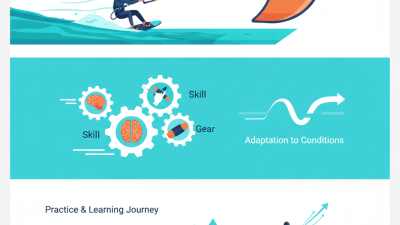
Kiteboarding Lifestyle Tips for Beginners to Boost Your Skills
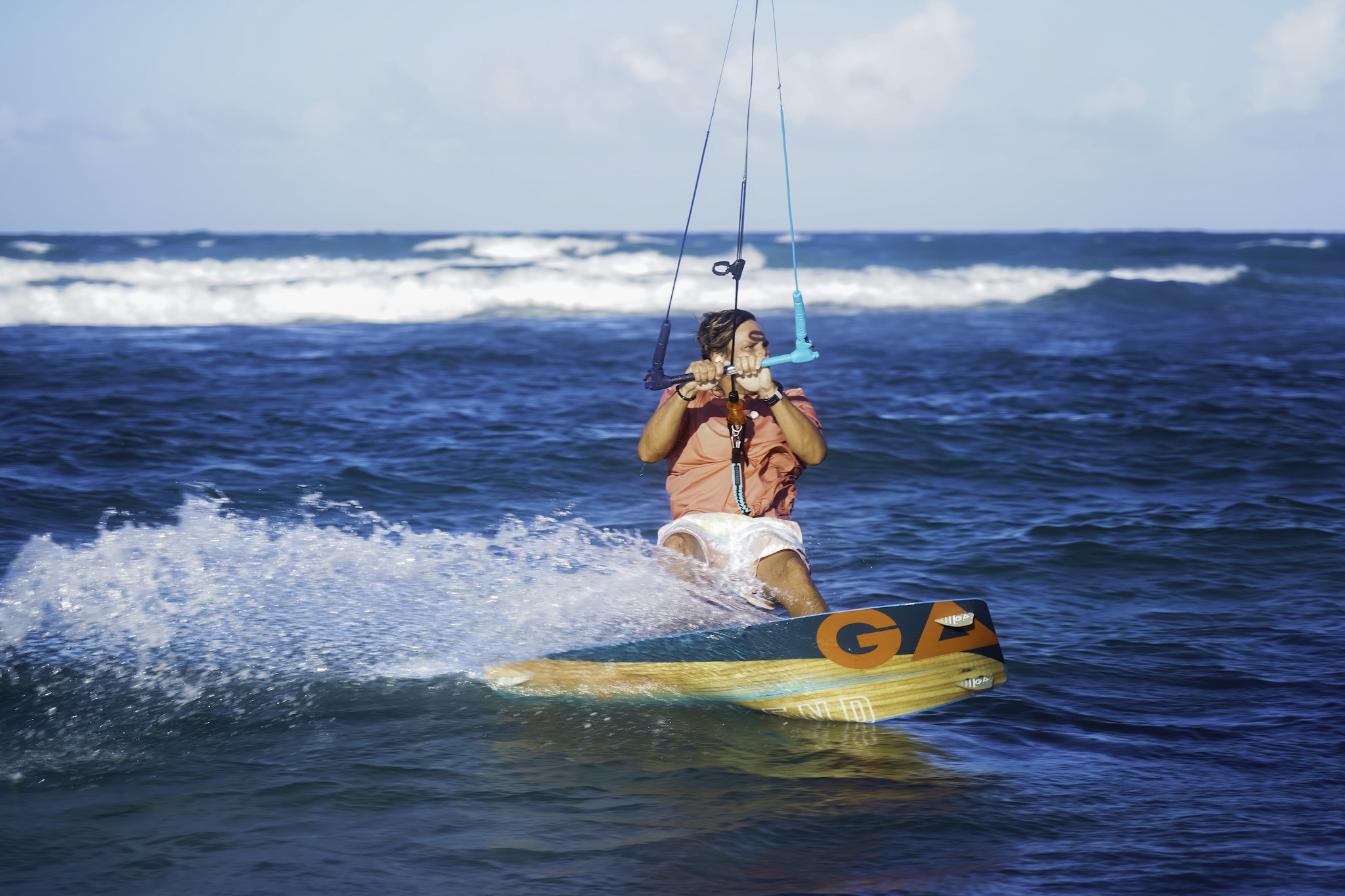
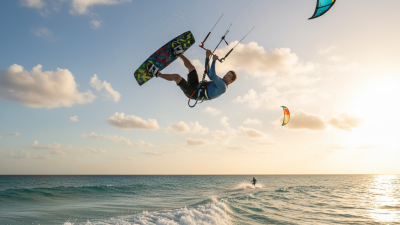
Kiteboarding lifestyle is more than just a sport; it’s a way of living that connects you with nature. For beginners, embracing this lifestyle can boost your skills and confidence. It involves not just learning the basics but also understanding the culture around kiteboarding. Picture yourself on the beach, feeling the wind, and soaking in the sun while you prepare for your session.
Many new kiteboarders face challenges and fears. You might struggle with balance or control. It’s essential to reflect on these moments. Each setback is a chance to learn and improve. Engaging with the kiteboarding community can offer support and advice. Share your experiences and listen to others; they can teach you valuable lessons.
Embracing the kiteboarding lifestyle means being open to change. It encourages you to step out of your comfort zone. You might find yourself trying new tricks or exploring different spots. Remember, every session is unique, and the journey is just as important as the destination. Celebrate your progress, however small, and always strive to grow.
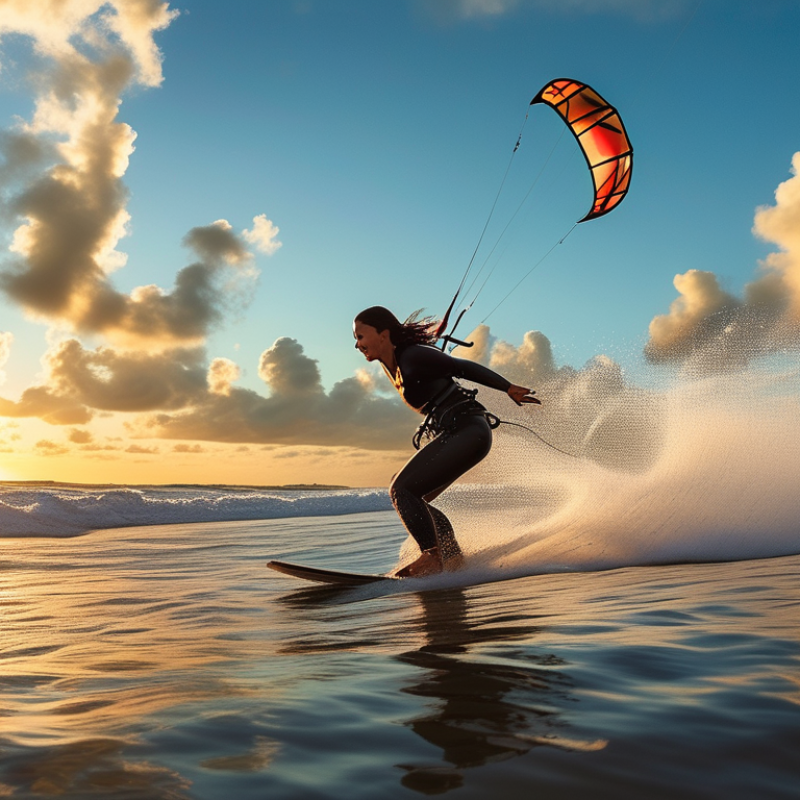
Essential Kiteboarding Equipment for Beginners
Kiteboarding is an exciting sport, but having the right equipment is essential for beginners. A good kite is the heart of your setup. Choose a size that fits your weight and local wind conditions. A larger kite can catch more wind, but it also requires more skill to control.
The board you ride can greatly impact your performance. A beginner should opt for a larger board, offering more stability. These boards help maintain balance and are easier to learn on. Choose one with a comfortable foot strap. Comfort matters when you're just starting out.
A safety harness is vital for any kiteboarder. It connects you to your kite, allowing you to control it without straining your arms. Make sure it fits well and provides good support. Harnessing your power correctly will enhance your flying experience. Don't forget to wear a helmet and impact vest. Safety is key in this thrilling sport.
Remember, practice makes perfect. First attempts often result in falls or tangled lines. Embrace these challenges as part of the learning process. Each mishap teaches a lesson. Adjusting to the wind is not always easy. Sometimes, you might struggle to get off the water. That’s okay; persistence will pay off in the end.
Kiteboarding Lifestyle Tips for Beginners to Boost Your Skills - Essential Kiteboarding Equipment for Beginners
| Essential Equipment |
Description |
Tips for Beginners |
| Kite |
A specially designed inflatable or foil kite for catching wind. |
Start with a smaller kite size for easier handling. |
| Board |
A directional or twin-tip board to stand on while riding. |
Choose a board that matches your skill level and riding style. |
| Harness |
A supportive piece worn around the waist or seat to connect to the kite. |
Ensure a snug fit to maximize comfort and control. |
| Safety Gear |
Helmets, impact vests, or flotation devices for protection. |
Always wear a helmet and consider additional flotation for safety. |
| Lines and Bar |
The lines connect the kite to the control bar for steering. |
Learn how to rig them correctly before hitting the water. |
Understanding Wind Conditions and Their Impact on Kiteboarding
Understanding wind conditions is crucial for kiteboarding beginners. Wind speed and direction directly impact your performance. For instance, wind speeds between 12 to 20 knots are generally considered ideal for beginners. A recent study from the Kiteboarding Association indicates that over 60% of successful sessions occur within this range. Understanding the wind helps you choose the right kite size, improving control and safety.
Each wind condition brings its challenges. Light winds can make it difficult to catch air, while strong winds can be intimidating for novices. Beginners should pay attention to how the wind changes throughout the day. Sometimes, even small shifts in direction can create unpredictable conditions. It is essential to practice regularly and adapt to varying winds. Recording your experiences can reveal patterns. Reflecting on your sessions will enhance your understanding of how those patterns affect your skills.
Safety should always be a priority in kiteboarding. Learn to read weather reports and understand local wind patterns. Familiarizing yourself with wind shadow zones can prevent accidents. Kiteboarding in gusty conditions is risky. Always be prepared to land your kite if conditions worsen. The more you practice and observe, the more confident you will become in handling various wind conditions. Embrace the learning process and be mindful of your environment.
Basic Kiteboarding Techniques Every Beginner Should Master
Kiteboarding is an exhilarating sport that offers an incredible experience. For beginners, mastering basic techniques is essential. These skills lay the foundation for safe and enjoyable sessions on the water. Start with learning how to launch and land your kite. Understanding wind direction helps control your kite more effectively.
Another fundamental aspect is body position. Maintain an open stance while riding. This position gives you better balance and control. Remember to look ahead at where you want to go. Focusing too much on the board can lead to awkward falls. Every beginner struggles with balance at first. It's a common issue, but practice will improve your stability.
Don’t forget to practice your water starts. They can be challenging but are crucial for progression. Take your time and be patient. Some days will feel like you’re making no progress at all. Embrace these moments as part of the learning curve. Adjustments may be needed in your technique. Reflect on what works and what doesn’t. Each attempt brings you closer to mastering this thrilling sport.
Safety Precautions and Best Practices in Kiteboarding
Kiteboarding is thrilling but comes with risks. Learning safety precautions is crucial for every beginner. Always wear a life jacket and helmet. These provide protection against unforeseen accidents. Choose areas free from obstacles. Open water is ideal. Avoid crowded beaches during your learning phase.
Pay attention to weather conditions. Wind can change unexpectedly. Strong winds can lead to dangerous situations. It's essential to practice self-launching and landing. Many beginners overlook this. These skills can avoid potential injuries. Regularly check your equipment. Frayed lines or damaged kites can compromise safety. If something feels off, don't hesitate to ask for help.
Though you may feel confident, remember safety should always come first. Engage with experienced kiteboarders for insights. Reflect on your experiences after each session. What worked? What didn’t? Keeping a journal can help track your progress. Recognizing areas for improvement is part of growing as a kiteboarder.
Kiteboarding Skills Development Over Time
This chart illustrates the progression of key kiteboarding skills for beginners over a span of six months. It highlights the importance of dedicated practice and adherence to safety protocols.
Building Endurance and Strength for Improved Kiteboarding Performance
Building endurance and strength plays a crucial role in kiteboarding performance. Engaging in regular cardiovascular workouts, such as running or cycling, can significantly enhance your stamina. Aim for at least 30 minutes of activity a few times a week. This routine helps you withstand longer sessions on the water without tiring too quickly. Remember, it’s not just about physical strength; mental endurance matters, too. Building your focus can improve your decision-making while riding.
Incorporating strength training into your workouts is essential. Focus on core exercises like planks and rotational movements. These can help stabilize your body while you kiteboard. Don't overlook the importance of flexibility training as well. Stretching the muscles used in kiteboarding can reduce the risk of injury. Balance training is equally important. Practices like yoga can enhance your overall body awareness and control on the board.
Reflect on your progress periodically. It’s common to feel stuck or frustrated during training. Embrace those moments. They often provide opportunities for growth. Remember to listen to your body. Pushing too hard might lead to setbacks. Finding the right balance in your training will ultimately boost your kiteboarding skills.