What Is a Lantern Festival Supplier and How to Choose One?
A lantern festival may look effortless from the crowd: warm light, steady music, and rows of glowing lanterns. Behind that scene are practical decisions about design, materials, production capacity, shipping, installation, and after-event support. A lantern festival supplier coordinates some or all of these details. The right partner can help turn a concept into a workable display. The wrong fit can leave gaps between the proposal and what arrives on site.
Industry data offers useful context, but not a precise measure of this niche. Oxford Economics’ 2019 report, The Economic Significance of Meetings to the U.S. Economy, estimated $325 billion in direct spending by the U.S. meetings industry. That figure covers meetings, not lantern festivals, so it should not be presented as lantern-market data. The distinction matters. It shows the scale of event production while reminding buyers to check claims against relevant evidence.
Event-management scholar Dr. Joe Goldblatt offers a useful lens. He defines a special event as “a unique moment in time celebrated with ceremony and ritual to satisfy specific needs.” For a lantern festival, those needs may include a clear visual theme, reliable setup, and a safe visitor flow. But a polished portfolio alone proves little. Ask for project references, material specifications, production timelines, and clear answers about installation responsibilities. Even a careful checklist can miss a detail; that is worth admitting. This guide explains what a lantern festival supplier typically provides and how to compare options. It focuses on practical evidence, not grand promises, so organizers can choose a partner whose capabilities match the event’s scale and setting.
What a Lantern Festival Supplier Is and What They Provide
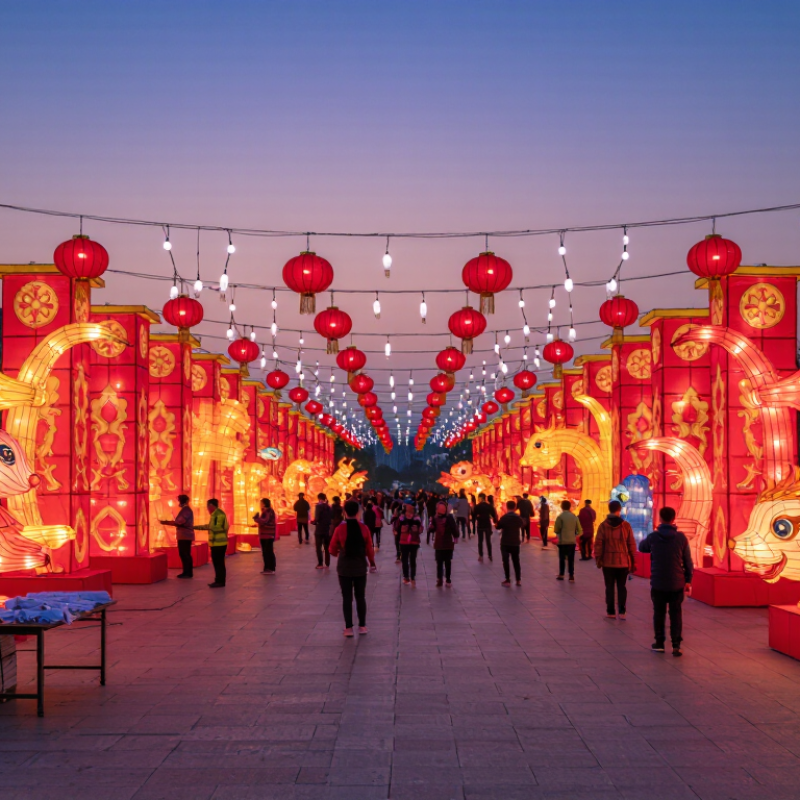
A lantern festival supplier is a specialist that helps turn a visual theme into lantern displays for a public or private event. Depending on the project, the supplier may design, make, or source lanterns, then coordinate delivery and installation. Some also provide lighting equipment, support frames, repair materials, and on-site technicians.
The work can involve more than choosing attractive shapes. A supplier may ask about the venue, audience flow, display height, power access, weather exposure, and event dates. These details affect material choices and installation plans. For example, a large illuminated arch needs stable supports, while a small hanging lantern may need only a suitable fixing point. Ask for dimensions, material descriptions, lighting details, and clear installation requirements. A sample or mock-up can help reveal color and scale differences before production begins.
A catalog can make every display look effortless. It isn’t. Confirm what the quoted service includes, such as transport, setup, testing, dismantling, or repairs. Request a realistic schedule and a named contact for technical questions. Experienced suppliers should explain limitations plainly, not just promise a perfect result. Even careful plans can need adjustment when a venue has unexpected obstacles. That part deserves honest discussion.
Main Types of Lantern Festival Suppliers
Lantern festival suppliers usually fall into several practical categories. Manufacturers produce lantern frames, fabric skins, lighting components, and themed displays. They may offer better control over size and construction, especially for large installations. Ask for material specifications, sample photos, and clear production timelines. A glowing sample is useful. A written specification is better.
Custom design studios focus on original shapes, colors, and story-based displays. They can turn a sketch into a set of lanterns, but custom work may require more time and careful revisions. Event rental suppliers provide ready-made lanterns, often with delivery and setup. This can reduce storage and labor needs, though the available designs may be limited. Some suppliers combine design, production, and installation. That sounds convenient, but confirm who handles repairs, wiring checks, and removal after the event.
Wholesalers supply standard lanterns in larger quantities, often for organizers who already have installation teams. Their products may suit smaller displays, yet finishes and dimensions can vary between batches. Request a recent product sample and compare it with the written order. Check packaging, replacement-part availability, and whether installation instructions are included. A low price can leave gaps. I would not assume that attractive photographs prove durability; outdoor wind, damp ground, and repeated handling expose weaknesses quickly. Even experienced teams sometimes overlook storage conditions, and that mistake can shorten a lantern’s useful life.
How to Define Your Festival’s Lantern Requirements
Before requesting lantern quotes, turn the festival idea into a site-specific brief. Draw a simple map showing entrances, paths, trees, stages, and viewing areas. Measure hanging points and note ceiling height, ground conditions, and the distance visitors will view each display from. Measure twice.
Then decide the lanterns’ purpose and look. Are they guiding visitors, sharing a cultural story, or creating a photo backdrop? Specify approximate quantity, sizes, colors, shapes, materials, and whether pieces need to hang or stand. A two-meter lantern may look striking in a sketch but overwhelm a narrow walkway.
List practical conditions too: expected weather, display hours, transport access, installation window, and storage after the event. Ask the venue about permitted fixing methods, electrical access, and applicable fire-safety requirements; one site’s rules may not fit another. Share your budget range and decision dates with potential suppliers. This helps them suggest realistic materials and production options. Leave a little flexibility. Early estimates can miss small details, such as a low branch or cable route, and plans may need revision after a site visit.
How to Evaluate a Supplier’s Quality, Safety, and Experience
A lantern festival supplier should provide more than attractive designs. Ask for a physical sample, then inspect its seams, frame joints, finish, and hanging points. For illuminated pieces, request wiring specifications and test documents that match the actual products delivered. Check a full batch before installation; one sample cannot reveal inconsistent workmanship. Small details matter.
Safety records deserve equal attention. Ask how the supplier assesses wind exposure, secures displays, and trains installation crews. The U.S. Consumer Product Safety Commission’s 2023 Fireworks Annual Report estimated 9,700 fireworks-related injuries that year. Fireworks are not lanterns, but the figure underlines why event teams need clear hazard plans and capable suppliers. Confirm who handles site checks, repairs, and emergency communication. Experience should be verifiable: request references for installations of similar scale and ask what went wrong, not only what went well. A polished portfolio can hide practical gaps. I would also compare written promises with a small on-site trial; that step takes time, but often catches issues before opening night.
What Is a Lantern Festival Supplier and How to Choose One?
A lantern festival supplier provides products or services such as lanterns, lighting, installation, and event support. Evaluate suppliers across these practical selection criteria.
How to use this chart: These suggested weights are a decision-making framework, not industry statistics. Ask for product specifications and samples, relevant safety documentation, examples of comparable projects, and clear delivery and support terms. Adjust the weights to suit your event.
How to Compare Quotes and Confirm an Order
A lantern festival supplier may quote for design, fabrication, lighting, packing, delivery, and installation. Compare like with like. Send every supplier the same drawings, dimensions, quantities, material requirements, and delivery address. Ask for a line-item quote, not one total. A low price may exclude wiring, spare parts, weather protection, or onsite assembly. Check those details.
Deloitte’s 2023 Global Chief Procurement Officer Survey found that 71% of procurement leaders identified cost reduction as a priority. That makes price important, but not sufficient. Compare lead times, payment milestones, warranty coverage, revision fees, and what happens if a shipment arrives damaged. Ask for recent project photos and a written production schedule. Details matter. One useful, imperfect test is to ask each supplier to explain the largest cost difference in their quote; vague answers deserve a closer look. Before paying a deposit, confirm the final artwork, color references, unit count, delivery date, installation scope, and inspection process in writing. Request a signed order confirmation that matches the agreed quote. Keep the approved drawings and correspondence together. A missed detail can become an expensive change.