
Top 10 Advanced Kiteboarding Skills Every Rider Needs?
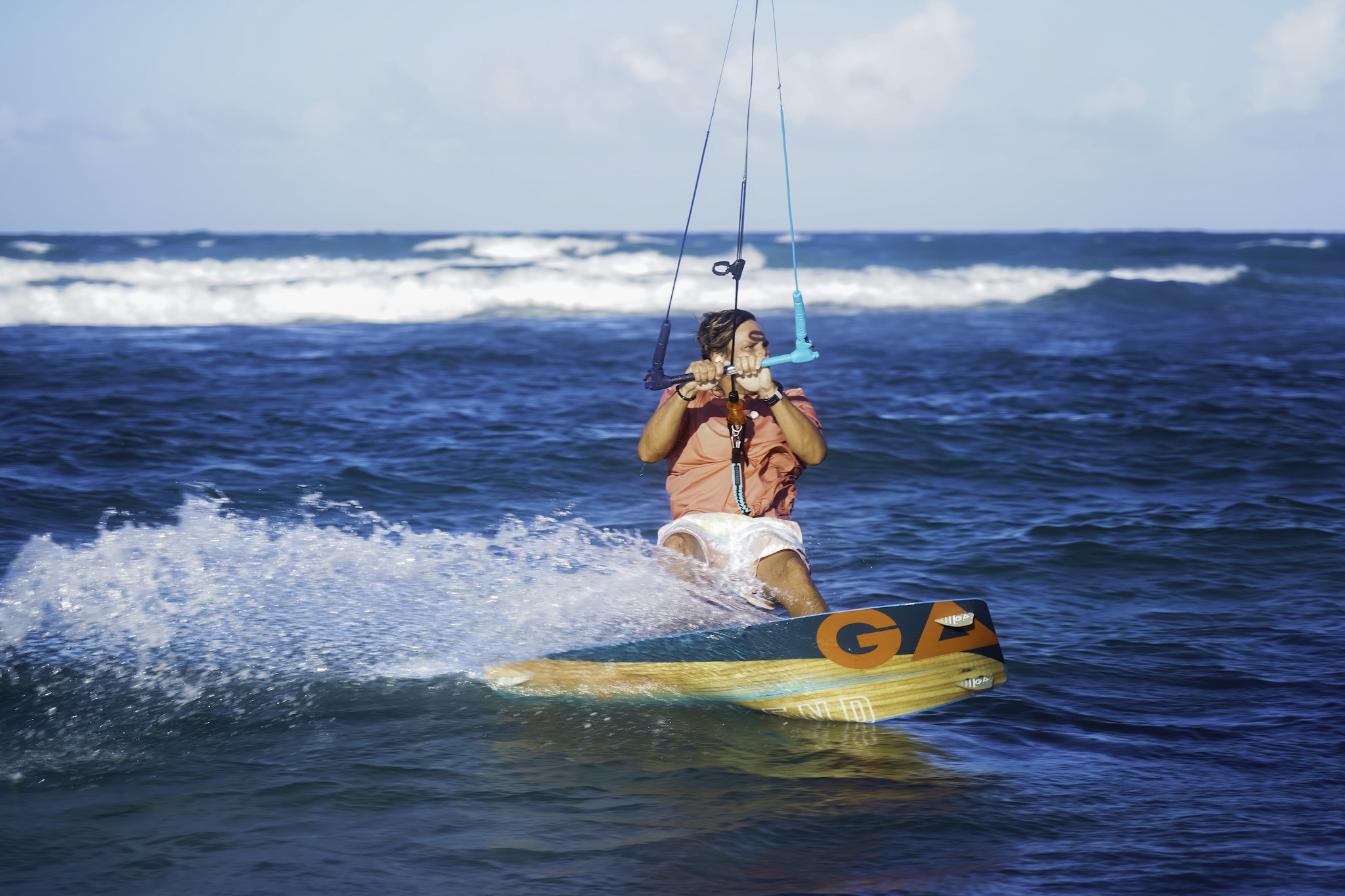
Advanced kiteboarding skills separate controlled progression from risky improvisation on the water. This guide examines ten techniques that experienced riders develop through repetition, coaching, and honest self-assessment. They include powerful edging, controlled kite loops, unhooked passes, transitions, wave riding, and precise foil handling. Each skill demands more than courage. It requires timing, body position, kite awareness, and a reliable launch and landing routine. A gusty beach can expose weaknesses within seconds. That matters.
The discussion draws on practical riding principles used by qualified instructors and responsible kite schools. It treats equipment checks, weather interpretation, right-of-way awareness, and rescue planning as part of advanced performance, not optional extras. Readers will see how small details affect control: a soft front knee, a quiet bar, or a late shoulder rotation. Progress should happen in manageable conditions, with suitable protective equipment and supervision when needed. Strong riders know when to stop.
This is not a promise of instant mastery. Some techniques may feel awkward, even after years of riding. I still find certain sessions expose habits that polished videos hide. That discomfort is useful. The goal is dependable execution, not impressive footage. By studying each skill’s purpose, common errors, and practical limits, riders can train with greater confidence while respecting changing wind, water, and personal readiness.
Mastering Kite Control in Strong and Variable Wind
Top 10 Advanced Kiteboarding Skills Every Rider Needs?
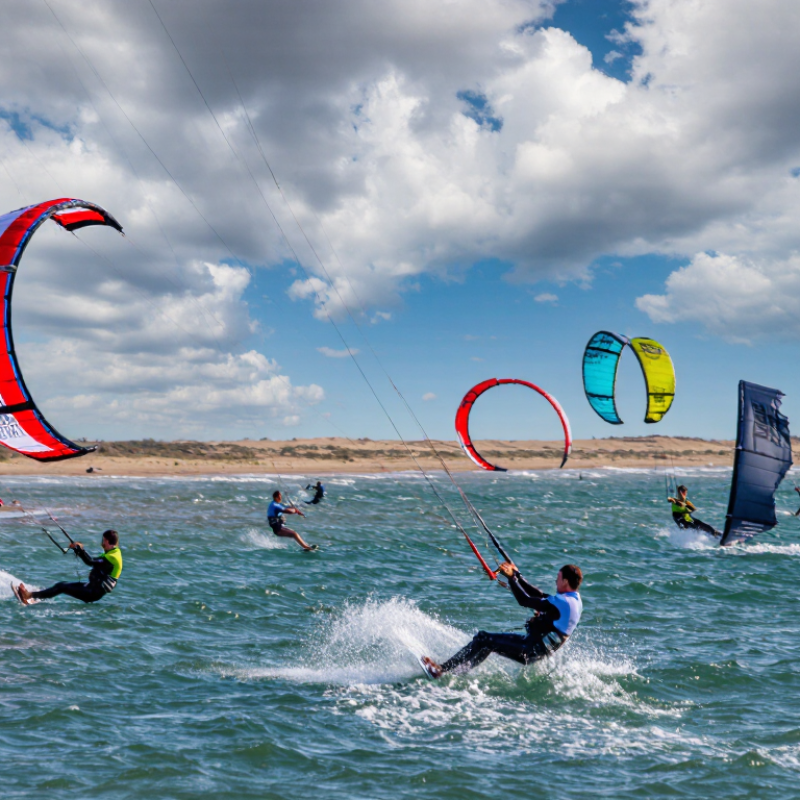
Mastering kite control in strong, variable wind begins with reading pressure, not chasing speed. I watch the water first: dark patches, broken wave crests, and sudden lulls reveal changing airflow. Keep the kite slightly forward in the window during gusts. Push the bar away before the pull becomes violent. Small inputs matter. Very small inputs.
An experienced rider should practice controlled edging, progressive depower, and fast kite repositioning. In unstable wind, avoid locking your arms. Relaxed elbows absorb sudden power better. During a lull, steer actively and reduce board resistance. During a gust, edge harder without over-sheeting. That mistake still catches me sometimes. I react late when focusing too much on height.
The U.S. Coast Guard’s 2023 Recreational Boating Statistics recorded 564 fatalities and 2,126 injuries across recreational boating incidents. The report is not kiteboarding-specific, but it reinforces disciplined preparation. Check wind direction, launch space, landing space, and a reliable exit route. Practice self-rescue before strong conditions arrive. The International Kiteboarding Organization also emphasizes body dragging, emergency release use, and controlled relaunching in its instructor standards. Advanced control includes knowing when not to ride. A 30-knot forecast with large gusts can demand more judgment than technique. Use conservative margins, especially near shore, obstacles, or crowded water.
Top 10 Advanced Kiteboarding Skills Every Rider Needs? - Mastering Kite Control in Strong and Variable Wind
A practical skill matrix for improving control, safety, and consistency in changing wind conditions.
| # | Advanced Skill | What It Involves | Key Control Cue | Useful Wind Context | Progress Indicator |
|---|---|---|---|---|---|
| 1 | Active Sheeting | Continuously adjusting the bar to balance power rather than holding one fixed position. | Sheet in gradually for power; ease out smoothly when the kite surges. | Gusty wind, especially when apparent wind changes during acceleration. | Board speed and edge remain stable through moderate gusts without abrupt bar movements. |
| 2 | Kite Position Management | Keeping the kite in the appropriate part of the wind window for riding, stopping, or launching. | Use small steering inputs and avoid parking the kite too high in strong wind. | Strong wind, turbulent shorelines, and sudden lulls near land. | The kite stays predictable while changing direction or crossing uneven wind bands. |
| 3 | Gust Absorption | Using body position, edging, and controlled depowering to absorb sudden increases in force. | Lower the center of gravity, edge progressively, and move the bar away if needed. | Short gusts and wind changes that occur faster than a full kite adjustment. | You remain balanced and avoid being pulled onto the front foot during gusts. |
| 4 | Dynamic Edge Control | Changing board angle and pressure on the edge to regulate speed and power. | Increase edge pressure to control acceleration; flatten briefly to regain speed in lulls. | Variable wind where fixed edging causes either loss of speed or excessive pull. | You can maintain a chosen course without repeatedly losing ground downwind. |
| 5 | Smooth Power Stroke Timing | Timing the kite’s movement with board acceleration instead of relying on abrupt steering. | Start the stroke early, guide the kite through the window, and finish with controlled sheeting. | Lighter sections, water starts, transitions, and upwind recovery. | You generate power without stalling the board or overloading the harness. |
| 6 | Controlled Kite Loops | Executing a deliberate loop only when the wind strength, altitude, and landing area are appropriate. | Commit to a clear steering input and maintain awareness of the kite’s exit position. | Moderate, steady conditions; avoid learning loops in overloaded or highly turbulent wind. | The kite completes the loop predictably and returns to a usable flying position. |
| 7 | Unhooked Kite Control | Maintaining kite stability while riding with the bar unhooked from the harness. | Keep the kite steady and use light, independent hand movements. | Only appropriate for trained riders in controlled, sufficiently powered conditions. | You can unhook and rehook without the kite climbing, diving, or pulling unexpectedly. |
| 8 | Precision Transitions | Coordinating kite movement, board rotation, weight transfer, and bar pressure during direction changes. | Move the kite deliberately and keep the board’s edge engaged until the release point. | Variable wind, where mistimed transitions quickly lead to a stalled landing. | You complete transitions with minimal loss of speed and without sending the kite too far. |
| 9 | Upwind Recovery and Repositioning | Recovering ground after a fall or lull while keeping the kite and board under control. | Place the kite high enough for stability, relaunch efficiently, and rebuild board speed before edging. | Shifting wind direction, long shorelines, and sessions where staying upwind matters. | You can regain a safe riding position without drifting far downwind. |
| 10 | Emergency Depower and Self-Rescue | Recognizing when control is deteriorating and using the quick-release, safety system, and self-rescue sequence correctly. | Release early when necessary, secure the kite, and keep lines clear of the body. | Overpowered conditions, equipment problems, offshore drift, or loss of board control. | You can explain and rehearse the procedure calmly before entering challenging water. |
Safety note: Strong and variable wind requires appropriate equipment, local knowledge, sufficient space, and practiced emergency procedures. Skill development should progress gradually under qualified supervision when conditions are challenging.
Related Posts
-
China Best Kiteboarding Performance Gear and Techniques for Enthusiasts?
-
Why Choose Freeride Kiteboarding for Your Next Adventure?
-
How to Choose the Best Kiteboarding Materials?
-

Essential Kiteboarding Training Tips for Beginners and Pros?
-
What is a Beginner Kiteboarding Guide for New Riders?
-

Kiteboarding Lifestyle Tips for Beginners to Boost Your Skills