

2026 Best Botanical Garden Light Show Supplier?

A botanical garden light show can turn familiar paths into a seasonal destination, but the best supplier does more than install bright displays. The work begins with the garden itself: mature trees, narrow paths, reflective ponds, and plants that need darkness to rest. A thoughtful design makes these details part of the experience. It does not simply cover them in color.

Landscape architect Thomas Church’s well-known principle, captured in his book title, was “Gardens Are for People.” That idea matters here. Visitors need clear routes, comfortable stopping points, and views that feel inviting rather than crowded. A supplier should explain how lighting plans, installation methods, maintenance, and visitor flow fit the site. Ask to see comparable projects, not just polished renderings. Real photographs reveal useful details, including cable placement and how displays look from eye level.

Small choices matter. Warm light on a tree trunk can feel calm; a harsh beam across a pond may distract. The right answer depends on the garden, the season, and its audience. There is no universal formula.

This guide compares suppliers by design quality, technical capability, safety planning, service, and value. It also considers how teams protect a garden’s character while creating memorable scenes. Some trade-offs are easy to miss. A dazzling display may still leave visitors unsure where to walk. Look closely, ask specific questions, and treat vague promises with care.
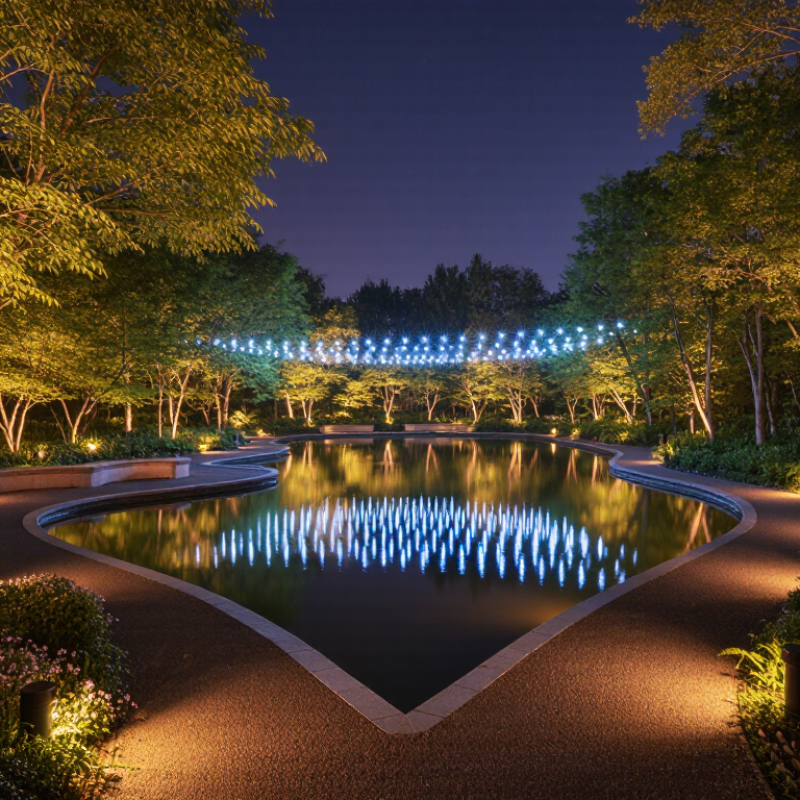
2026 Best Botanical Garden Light Show Supplier?

What Does a Botanical Garden Light Show Supplier Provide?

A botanical garden light show supplier provides far more than lanterns and colored bulbs. The service may include a site survey, creative design, weather-rated fixtures, cabling, control systems, installation, and trained operators. Good plans map each display to real paths, trees, ponds, and power access. A narrow bridge needs low-glare lighting; a damp garden bed needs protected connections. Small details matter.

Suppliers should also provide maintenance plans, operating instructions, and safe removal after the event. Ask how they test circuits, manage cables, and respond when rain or wind changes conditions. The U.S. Department of Energy’s Energy Saver guidance says LEDs use at least 75% less energy and can last up to 25 times longer than incandescent lighting. That comparison supports LED selection, but actual savings depend on the full installation and operating hours. A supplier should explain those assumptions, not promise a fixed bill reduction. A polished rendering can still miss dark patches or glare on wet paths. Request a nighttime test and leave room to adjust. The best proposal is specific, measurable, and honest about what remains uncertain.

How to Assess Supplier Experience and Installation Capabilities

Experience is more than a portfolio of bright photographs. Ask for examples from gardens with similar tree cover, path widths, visitor flow, and seasonal weather. Request a project timeline, a crew list, and a reference you can contact. Details matter. Ask what changed during installation and how the supplier handled it. A candid answer about a delayed delivery or a difficult cable route can be more useful than a flawless case study. Check whether past projects included night testing, not just daytime setup.

Installation capability should be assessed against your actual site. A competent supplier will want to walk the paths, inspect access points, and map power locations before proposing a layout. Look for clear plans showing fixture positions, cable routes, protection from moisture, and equipment needed for elevated work. Ask who supervises the crew, how daily work areas stay clear, and who responds if a light fails during the event. The schedule should include testing after dark and time for adjustments. I would not assume a large crew means a smooth install; coordination can be the weak link. Ask what the supplier expects your own team to provide, and get those responsibilities in writing.

Which Lighting Technologies Suit Botanical Garden Displays?

Botanical garden displays need lighting that reveals plants without flattening their textures. High-efficiency LED fixtures offer adjustable brightness and color, while warm white light often preserves natural greens better than saturated blue. Choose narrow beams for trunks and carefully shielded wide beams for flower beds. Good optics matter. They reduce spill onto paths, nearby homes, and sensitive foliage.

For animated scenes, pixel-mapped LED nodes can create slow waves across a canopy, but movement should stay gentle. Fast effects may distract visitors and disturb nocturnal wildlife. DMX or RDM control supports precise dimming and easier fault checks; wired connections are often more dependable than wireless links beneath dense leaves. That detail is easy to overlook. RGBW fixtures provide richer color choices, though white output and color quality vary by model. Test samples after dark, not only in a showroom.

Projection can add seasonal patterns to walls or mist, but wind and ambient light may weaken the image. In damp planting zones, select fixtures with suitable ingress protection, sealed connectors, and serviceable mounting. Keep drivers accessible, and plan cable routes before paths are finished. There is no perfect setup. A practical design balances visual drama with glare control, plant health, maintenance access, and modest energy use; some gardens still discover that fewer colors look better.

How Do Safety, Sustainability, and Accessibility Shape Supplier Choice?

2026 Best Botanical Garden Light Show Supplier?

A supplier’s design should protect visitors without making the garden feel like a worksite. Ask for a site-specific safety plan, not just a product brochure. It should show cable routes, protected connections, emergency access, and how crews will respond to rain or equipment failure. Request inspection records and clear staff training procedures. Details matter.

Sustainability is practical, not just a slogan. Compare energy estimates, repair options, and the supplier’s plan for storing and reusing lights, frames, and wiring. Ask how damaged parts are handled. For accessibility, review the route after dark: Are paths wide and firm? Can wheelchair users reach viewing areas without detours? Are signs readable, and are bright effects kept away from essential wayfinding? A walk-through with garden staff and visitors can reveal gaps drawings miss. It may take more time, but skipping it is a poor trade.

Tips: Request a sample layout, power-use estimate, maintenance schedule, and accessibility review before signing. Ask who checks the installation each evening. If answers remain vague, pause and seek clarification. Some details will still be imperfect; document the risks and agree on fixes before opening.

How to Compare and Select a Supplier for a 2026 Light Show?

Choosing a supplier for a 2026 botanical garden light show starts with the site, not the sales presentation. Ask for examples of projects in gardens with similar paths, trees, and visitor numbers. Request references and clear evidence of how the supplier handled installation, weather delays, and visitor flow. A garden with narrow gravel paths needs a different layout from one with broad lawns. Small details matter.

Compare technical plans as carefully as visual concepts. Ask how cables will be routed, where power will come from, and how equipment will be protected from rain. Request an itemized quote covering design, installation, maintenance, removal, and replacement parts. Check who will be on site when a fixture fails during opening hours. A low initial price may leave important support unclear. That detail gets missed.

Walk the garden with shortlisted suppliers before choosing. Look for sample lighting that shows how colors fall on leaves, trunks, and water, rather than relying only on renderings. Ask how the design limits glare and protects quiet areas for plants and wildlife. Review the schedule, staff training, insurance documents, and contingency plan in writing. No plan is perfect. Your own team may also overlook a practical issue, so leave room for a second site review before installation.

2026 Best Botanical Garden Light Show Supplier? — How to Compare and Select a Supplier for a 2026 Light Show?

Use this weighted scorecard to compare shortlisted suppliers against the same project requirements. The criteria are evaluation benchmarks, not claims about any specific supplier.

Evaluation Area What to Compare Practical Benchmark or Requirement Evidence to Request Weight Candidate 1
Score (0–5)
Candidate 2
Score (0–5)
Candidate 3
Score (0–5)
Relevant Experience Experience delivering ticketed outdoor light shows in gardens, parks, or other public landscapes. Look for projects comparable in site complexity, visitor volume, operating hours, and seasonal schedule. Project references, photographs, scope descriptions, and permission to contact previous clients. 15% — — —
Creative Design & Site Fit Quality of the concept and how well it responds to the garden’s planting, paths, views, and conservation goals. Require a site-specific concept rather than a generic layout; confirm accessible routes and protected areas are considered. Concept plan, sample renders, proposed visitor route, and documented site-walk findings. 12% — — —
Technical Design & Reliability Lighting, control systems, cabling, power distribution, maintenance access, and contingency planning. Design should be suitable for the site’s electrical supply and outdoor conditions, with a documented fault-response plan. Electrical load schedule, system diagram, equipment specifications, maintenance plan, and backup procedures. 12% — — —
Safety & Compliance Risk assessment, public access, temporary structures, electrical safety, emergency arrangements, and insurance. Responsibilities and approvals should be clearly assigned and aligned with applicable local codes and venue policies. Project-specific risk assessment, method statements, insurance certificates, inspection records, and emergency plan. 15% — — —
Weather & Environmental Protection Equipment protection, storm procedures, ground protection, noise, light spill, and effects on plants and wildlife. Specify suitable outdoor equipment and operating limits; agree how sensitive habitats and garden assets will be protected. Equipment ratings, weather operating plan, environmental controls, and site reinstatement procedure. 10% — — —
Installation & Schedule Survey, design approvals, delivery, installation, testing, rehearsal, operation, and removal timeline. Schedule should include approval milestones, access windows, testing time, and contingency for weather or delivery delays. Project programme, staffing plan, delivery schedule, and named responsibility for each milestone. 10% — — —
Visitor Operations & Accessibility Capacity planning, queue management, wayfinding, accessible routes, crowd monitoring, and guest support. Operating plan should reflect the venue’s capacity, route conditions, ticketing approach, and accessibility requirements. Visitor-flow plan, staffing assumptions, accessibility review, signage plan, and incident escalation process. 8% — — —
Energy & Sustainability Energy demand, efficient equipment, reuse, packaging, transport, and end-of-event waste handling. Ask for estimated energy use and a practical plan to reduce waste and reuse suitable components where possible. Energy estimate, equipment list, materials policy, transport assumptions, and waste or reuse plan. 7% — — —
Commercial Clarity Price, scope boundaries, exclusions, payment schedule, change control, and cancellation terms. Compare like-for-like proposals and identify costs for power, staffing, transport, permits, repairs, and removal. Itemized quotation, assumptions and exclusions, payment terms, change-order process, and cancellation terms. 7% — — —
Support & Accountability On-site supervision, response times, repair coverage, communication, and post-event closeout. Confirm who is available during public operating hours and how urgent faults or safety issues are escalated. Staffing roster, escalation contacts, service-response commitments, and closeout checklist. 4% — — —
Total Weight 100% Weighted total: — Weighted total: — Weighted total: —

Scoring guide: 0 = no evidence; 1 = major gaps; 2 = below requirements; 3 = meets requirements; 4 = exceeds requirements; 5 = clearly exceeds requirements with strong, verifiable evidence. Calculate each weighted score as (score ÷ 5) × weight, then add the results. Confirm all legal, safety, and site-specific requirements independently before appointment.

We use Cookies and Google Analytics. We store no personal details. Learn more about our privacy policy.