10 Kiteboarding Tricks Tips Every Beginner Should Know

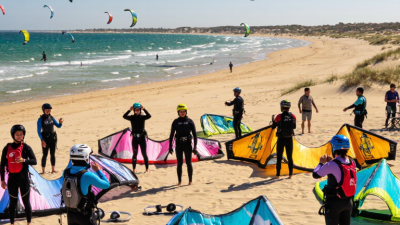
Kiteboarding can look effortless from the beach, but every clean movement depends on control, timing, and sound judgment. For beginners, learning Kiteboarding tricks should begin with reliable kite handling, not dramatic height. A small mistake with the bar can quickly change the kite’s power. That is why this guide focuses on practical progress, safe habits, and techniques that can be practiced in manageable conditions.

Each trick should be learned with qualified instruction, suitable protective equipment, and enough open space. Check the wind forecast, inspect your lines, and understand your launch area before riding. A helmet, impact vest, and quick-release system are essential parts of responsible preparation. Start with body dragging, controlled edging, and small board movements. These skills may feel basic, but they build the reactions needed for more advanced tricks.

Expect uneven progress. Some attempts will look awkward. That is normal. In my experience, beginners often improve faster when they record short sessions and review their kite position afterward. Did the kite drift too high? Did your shoulders rotate too early? Honest answers reveal useful patterns. The ten tips ahead are designed to make practice clearer, safer, and more consistent. They do not replace hands-on coaching or local safety rules. Wind strength, water conditions, equipment, and personal ability can change the correct approach. Ride patiently, protect your limits, and let control come before style.
10 Kiteboarding Tricks Tips Every Beginner Should Know

Understanding Kiteboarding Equipment, Wind Conditions, and Safety Basics

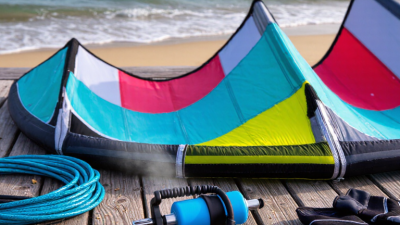
Kiteboarding begins with equipment discipline, not dramatic jumps. Choose a kite size for your weight, riding level, and the day’s measured wind. A larger kite can become difficult quickly when gusts rise. Check the bar, lines, harness, leash, and quick-release system before entering the water. International Kiteboarding Organization safety guidance emphasizes formal instruction, supervised practice, and reliable release skills. Do not trust memory alone. Test the system on land.

Wind conditions deserve careful reading. The World Meteorological Organization’s Beaufort scale classifies force 4 as 11–16 knots and force 5 as 17–21 knots. Those numbers describe average wind, not sudden gusts. NOAA explains that wind observations are commonly recorded at a standard height, while beach-level wind can change around trees, buildings, and dunes. Read the forecast, then watch the water. Dark patches, bending flags, and whitecaps may signal stronger wind. I still find forecasts imperfect, so leaving early is often the smarter decision.

Tip: Practice releasing the kite before launching. Keep a clear downwind area, avoid crowded water, and never ride alone. Beginners should stay within instructor-approved conditions and use a helmet and impact vest. A simple pre-ride check helps: weather, wind range, equipment, escape route, and communication plan. My own weak point is rushing when conditions look exciting. That hesitation matters. Five quiet minutes can prevent a serious mistake.

10 Kiteboarding Tricks Tips Every Beginner Should Know

Understanding Kiteboarding Equipment, Wind Conditions, and Safety Basics

Wind speed is measured in knots, where 1 knot equals 1 nautical mile per hour. The Beaufort wind ranges shown here are internationally used reference values. Beginners should normally choose steady moderate wind, commonly around 11–16 knots, while avoiding gusty, rapidly changing, or strong-wind conditions. The suitable range also depends on kite size, rider weight, water conditions, and local instruction.

  1. Take a professional beginner lesson before riding independently.
  2. Check the forecast, wind direction, gusts, tide, and local hazards.
  3. Inspect the kite, lines, bar, harness, leash, and quick-release system.
  4. Use a properly fitted helmet and an approved impact or buoyancy vest.
  5. Practice launching, landing, and releasing the kite before entering the water.
  6. Keep clear of rocks, swimmers, boats, power lines, and crowded beaches.
  7. Maintain enough space downwind for an uncontrolled launch or fall.
  8. Use a kite size appropriate for your weight and the current wind strength.
  9. Never ride alone, and tell someone where you are going.
  10. Stop immediately when the wind becomes too strong, unstable, or offshore.

Building Balance, Board Control, and Reliable Water-Start Skills

10 Kiteboarding Tricks Tips Every Beginner Should Know

Building Balance, Board Control, and Reliable Water-Start Skills

Good water starts begin before the board touches the water. Practice flying the kite with one hand while keeping your shoulders relaxed. Your front hand should make small steering movements, not dramatic pulls. Watch the kite, then feel its pressure through the bar. I still oversteer when I feel nervous. That mistake taught me to slow down.

Body dragging helps you recover the board and understand wind direction. Keep your hips close to the surface and point your body across the wind. When the kite sits steadily above you, move it gently from one side of the window to the other. Notice how the pull changes. These sensations build useful control before you stand.

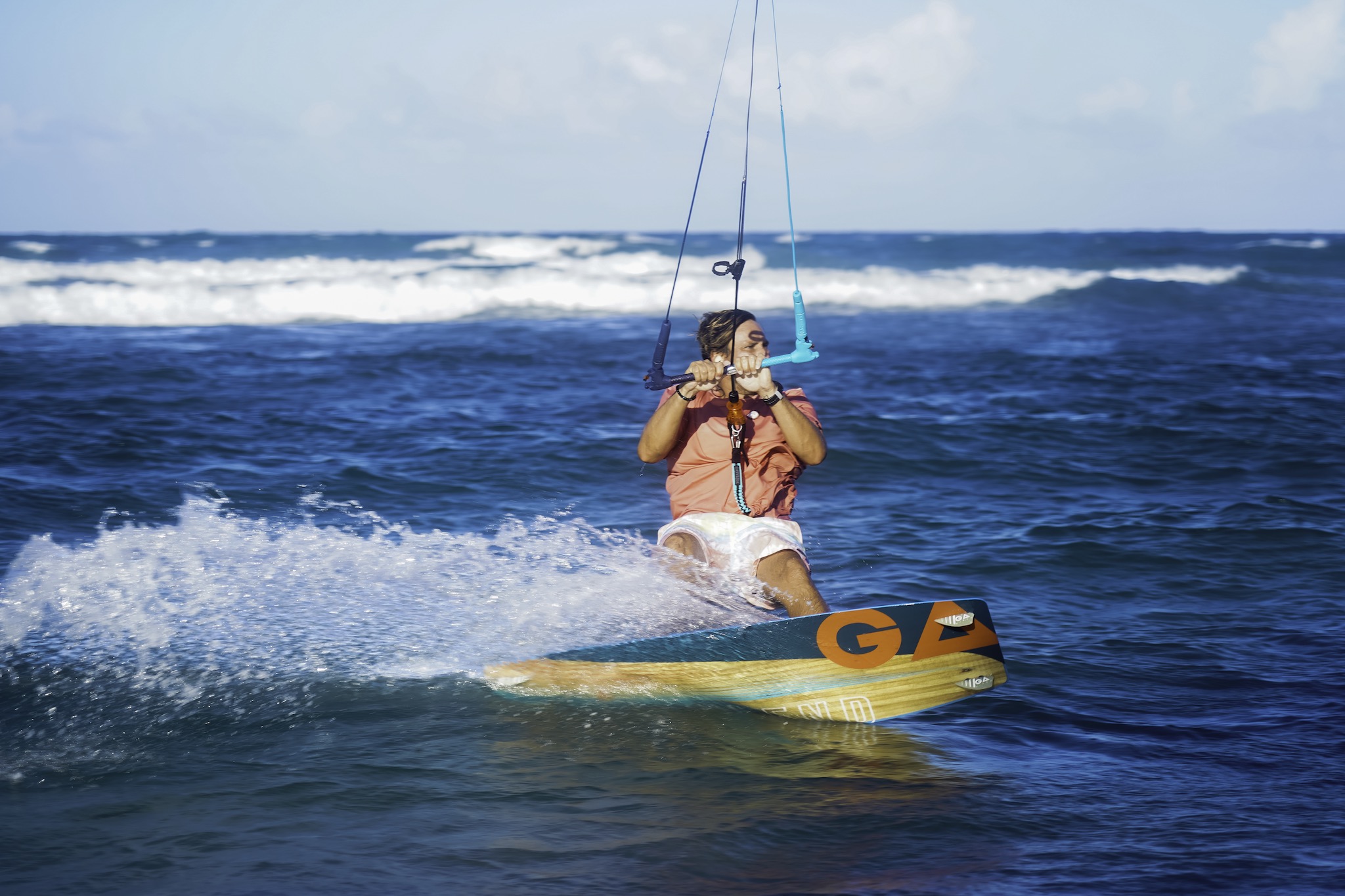
For the water start, place the board across the wind and keep both knees bent. Let the board stay near your hips. Do not force your feet into position. Send the kite gradually, then allow the pull to lift your body. Press the front foot lightly and keep your weight centered. Small corrections matter. If the board points downwind, pause and reset instead of fighting it. A qualified instructor can check your launch timing, body position, and local conditions. Shallow water, gusty wind, or poor visibility can quickly turn practice into confusion. I sometimes rush after one successful start, but consistency matters more than distance. Practice short rides, stop calmly, and repeat the setup.

Learning Ten Beginner-Friendly Kiteboarding Tricks Step by Step

Learning ten beginner-friendly kiteboarding tricks step by step starts with control, not height. The International Kiteboarding Organization’s (IKO) rider-level framework progresses from kite handling and board recovery toward independent riding. Use that sequence as a practical check: if you cannot relaunch reliably, pause before trying jumps. Keep the kite low and steady, and practise a controlled stop in clear water. Small wins count.

Try a toeside turn, a heel-to-toe transition, a toeside ride, a surface 180, a downloop transition, a small pop, a controlled one-foot lift, a gentle grab, a basic slide, and a low, straight jump.

Practise each on both tacks, one at a time. For a toeside turn, flatten the board, look where you want to go, and rotate your shoulders before changing foot pressure.

A surface 180 needs room; avoid practising near swimmers, boats, or shore obstacles. IKO training guidance emphasizes supervised progression and assessed skills, rather than learning tricks from a checklist alone.

Wind strength and board control change the difficulty; there is no universal safe wind range for every rider. Some sessions will feel awkward. That is useful feedback.

Stop when gusts, fatigue, or poor visibility make kite control unreliable, and ask a qualified instructor to watch your technique.

Managing Common Mistakes, Falls, and Recovery Techniques

Kiteboarding rewards patience, but small mistakes can become stressful quickly. Before launching, check the wind direction, shoreline, lines, quick-release system, and rescue plan. Keep the kite low and steady while practicing gentle power strokes. Avoid pulling hard on the bar when the kite surges. Let go of the bar when control disappears. A short release can prevent a violent drag.

Falls are normal, even for experienced riders. Protect your head, keep your body compact, and steer the kite toward the edge of the wind window. Do not fight the water blindly. If you lose the board, keep the kite stable and body-drag upwind slowly. Watch the board carefully before reaching for it. Never place your hands near moving lines. If the kite lands on the water, stay calm, secure the bar, and follow the kite’s relaunch procedure. Relaunch only when the lines are clear.

Self-rescue deserves repeated practice in shallow, supervised water. Depower the kite, wind the lines carefully, and use the kite as flotation when conditions allow. Stay visible and signal for help if fatigue, strong current, or tangled lines appear. A qualified instructor can correct unsafe habits before they become automatic. I still sometimes rush a relaunch after a hard fall, and that impatience makes mistakes worse. Slowing down is not weakness. It is a practical recovery skill.

10 Kiteboarding Tricks Tips Every Beginner Should Know — Managing Common Mistakes, Falls, and Recovery Techniques
# Beginner Skill or Tip Common Mistake Safer Technique If You Fall or Lose Control
1 Check the wind and launch area Launching in gusty, offshore, or otherwise unsuitable wind, or in a crowded area. Learn with a qualified instructor. Check local conditions, forecasts, wind direction, and launch space before setting up. Do not launch if conditions exceed your ability. Do not attempt to relaunch in unsafe conditions. Use the kite’s safety system as trained and get assistance from the instructor or shore crew.
2 Practise kite control on land Making large, abrupt steering movements or looking only at the kite. Practise small, deliberate inputs in a suitable open area under instruction. Keep track of the kite, lines, people, and surroundings. If the kite starts pulling unexpectedly, avoid grabbing the lines. Use the control system’s trained safety procedure and keep clear of the lines.
3 Use the quick release correctly Not knowing how the safety release works or delaying its use when a serious hazard develops. Before every session, check that the release is accessible and practise its operation on land with an instructor. Follow the equipment’s instructions. When a dangerous situation requires it, activate the release as taught. Do not wrap lines around your hands or body, and do not attach yourself to a fixed object.
4 Keep a balanced riding stance Leaning backward excessively, locking the knees, or allowing the board to point too far downwind. Keep a relaxed stance with knees slightly bent. Look in the direction of travel and use gentle edge pressure rather than sudden movements. After a fall, stay clear of the board and lines, check your surroundings, and regain control only when it is safe to do so.
5 Start with controlled water starts Pulling hard on the bar or trying to stand before the kite has enough controlled power. Position the board and kite as taught, then use smooth, measured steering. Practise in shallow, suitable water with ample space and supervision. If the start goes wrong, let the board go if it creates a hazard, protect your head, and return to a stable position before trying again.
6 Practise stopping and riding upwind Riding too far downwind without checking whether you can return to the launch area. Learn basic edging and controlled speed before attempting longer runs. Regularly check your position relative to the shore and other riders. If you cannot make progress upwind, use the self-rescue method taught by your instructor and follow local procedures. Do not swim with tangled or tensioned lines.
7 Look before changing direction Turning without checking for riders, swimmers, obstacles, or the kite’s position. Scan around you before changing course. Give other water users space and follow local right-of-way rules. If a collision risk develops, prioritise separation and use the safety system if needed. Avoid making sudden movements that send the kite through another person’s path.
8 Build confidence with small jumps only when ready Attempting jumps before mastering kite control, stopping, and reliable upwind riding. Learn jumping progressively with qualified instruction, appropriate conditions, and a clear landing area. Do not practise near shore, obstacles, or other people. For an unexpected hard landing, protect your head and avoid bracing with a straight arm. Stop and assess for injury before continuing.
9 Understand self-rescue before you need it Assuming you can simply swim back while attached to a kite with unmanaged lines. Practise the self-rescue and pack-down procedure in a controlled lesson. Learn how your specific safety system works and check local rescue guidance. Follow the method taught for your equipment and conditions. Keep lines managed and away from your body; signal for help if you cannot recover safely.
10 Inspect equipment and stop when tired Using damaged lines or worn safety components, or continuing after concentration and coordination decline. Check the kite, lines, bar, harness, and safety releases before each session. End the session if equipment is suspect, conditions change, or fatigue sets in. If equipment fails or you feel unwell, use the taught safety procedure, signal for assistance, and do not resume until the issue is resolved.

Creating a Safe Practice Plan for Continued Kiteboarding Progress

A safe practice plan turns ten beginner kiteboarding tricks into manageable skills. Start with a qualified instructor and a calm, open training area. Check the forecast, tide, water temperature, and local riding rules before leaving home. Tell a buddy your launch location and expected return time. Wear a properly fitted helmet and flotation aid. Inspect lines, connections, control systems, and kite fabric. Small damage can become serious under tension.

Divide each session into one clear goal. Practice kite control, body dragging, water relaunches, controlled starts, stopping, edging, small direction changes, toe-side riding, gentle transitions, and basic jumps. Keep jumps low until landing feels predictable. Spend ten minutes on land rehearsing the safety release and self-rescue sequence. Then begin in shallow water, where conditions allow, but avoid crowded areas and obstacles. Use short intervals of ten to fifteen minutes. Fatigue quietly reduces reaction speed.

Wind should remain steady, not merely strong. Set a stopping point before launching. End the session when gusts increase, technique breaks down, or fear replaces concentration. I would not chase every trick in one afternoon. That sounds efficient, but it often creates rushed decisions. Record wind strength, duration, and one mistake after each session. Review that note before riding again. Progress may feel slow. Consistency matters more than dramatic height.

We use Cookies and Google Analytics. We store no personal details. Learn more about our privacy policy.